AI Native by Design: Lessons Learned from Building NVIDIA TensorRT Model Connect
Source
Tanya Lenz
Author
Tanya Lenz
Date
Key takeaways · AI-distilled
NVIDIA says the 128 model families tested on GB300 as of the July 29, 2026 release are not a measure of AI agentAn AI system that doesn't just answer once but works toward a goal in a loop — taking actions, reading the results, and deciding what to do next.Full definition → productivity. The count shows the project grows by adding independent units, not by extending one serial integration path.
TensorRT Model Connect has three layers: TensorRT and CUDA as the stable base, Model Connect as a faster-moving integration layer, and per-family code that owns its builders, runtime pipelines, helper kernels, config and validation evidence.
NVIDIA accepts duplicated code between similar model families, since shared abstractions couple unrelated tasks and add merge conflicts. Code moves to shared infrastructure only when several independent owners need the same assumption-free contract.
NVIDIA treats passing checks plus a bad artifact found by a human as a false success: reproduce it, encode the missing invariant, harden the procedure. QA shares the CI pipeline but acts as an organizationally independent red team.
NVIDIA lists open limits for the preview: more parallel agents can raise validation demand faster than accepted output, reference implementations are not infallible oracles, isolation cannot stop shared-infrastructure failures, and humans start most tasks.
Terms in this piece · Glossary
AI agent — An AI system that doesn't just answer once but works toward a goal in a loop — taking actions, reading the results, and deciding what to do next.
Why it matters
Offers a concrete structure for agent-driven development: isolate changes so failures stay local, validate with human-legible evidence, and move human judgment upstream to acceptance criteria.
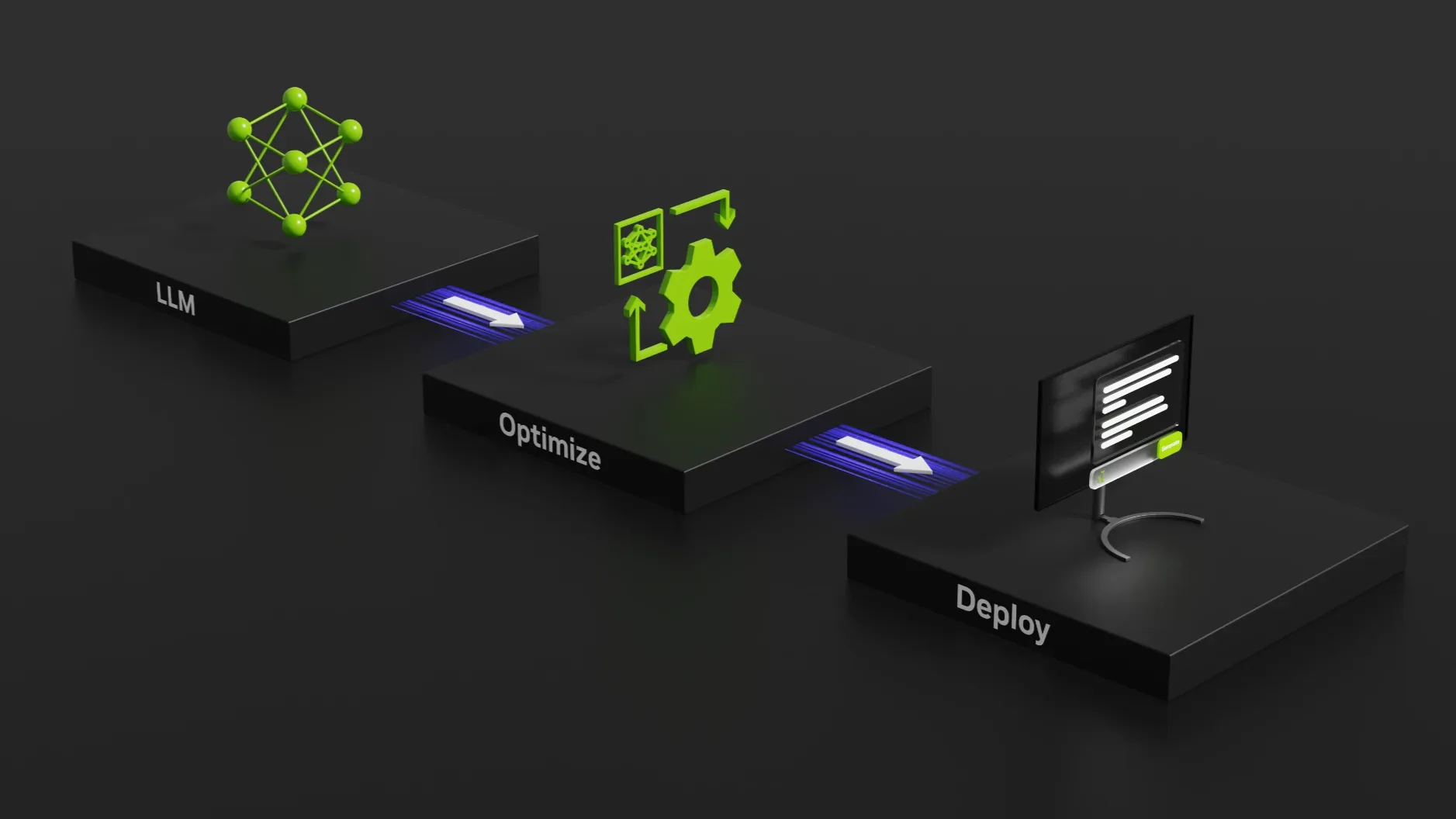
 articleNVIDIA Open Agent Safety Platform: A Reference for Continuous In-Silicon Agent Monitoring
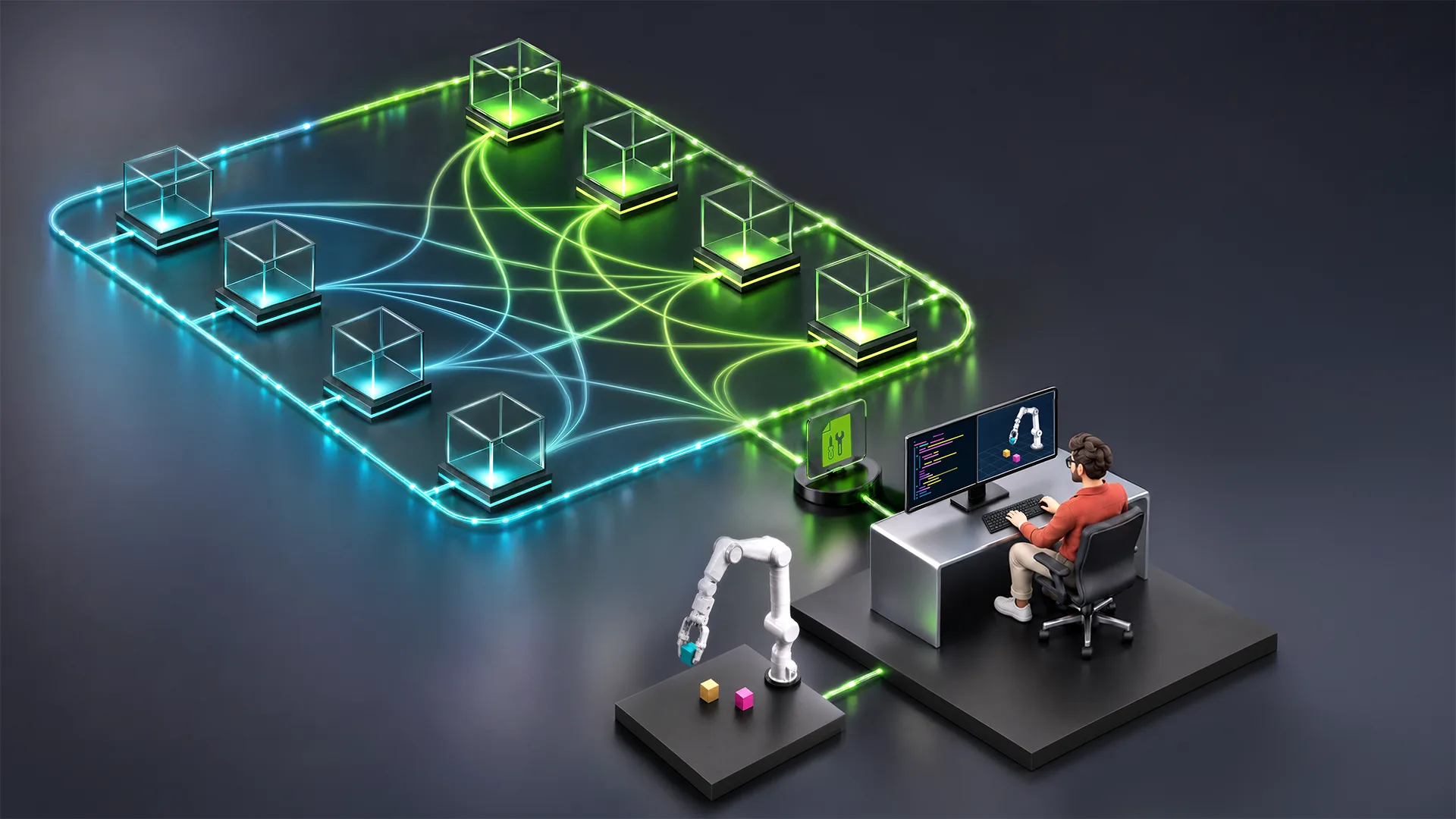 articleAccelerating a ROS 2 Node with an AI Agent and NVIDIA Isaac ROS
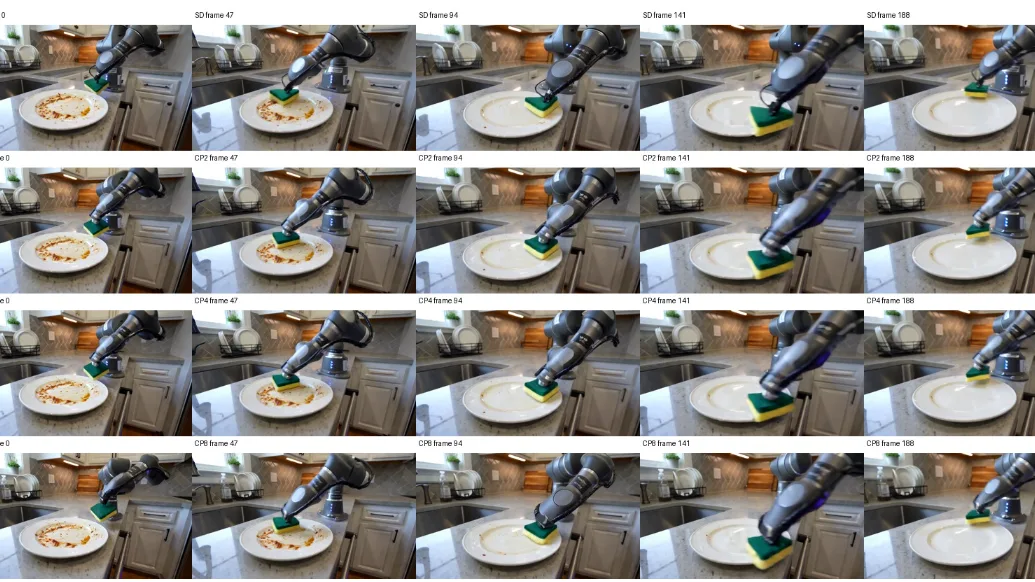 articleSimplifying Model Serving Across Multiple GPUs with NVIDIA TensorRT Multi-Device Integration in NVIDIA Dynamo-Triton
 articleHow to Use AI Agents to Prepare 3D Scenes for Simulation
 articleDeploy an Open Model from Checkpoint to Inference in Two Commands with NVIDIA TensorRT Model ConnectTanya Lenz
 articleNVIDIA AVO Reaches 100% on ARC-AGI-3, Demonstrating a Frontier-Level General-Purpose Architecture for Long-Horizon Autonomous AgentsTanya Lenz