Seats and Sunsets
- Source
- yegge.ai
- Publisher
- Steve Yegge
- Date
Context
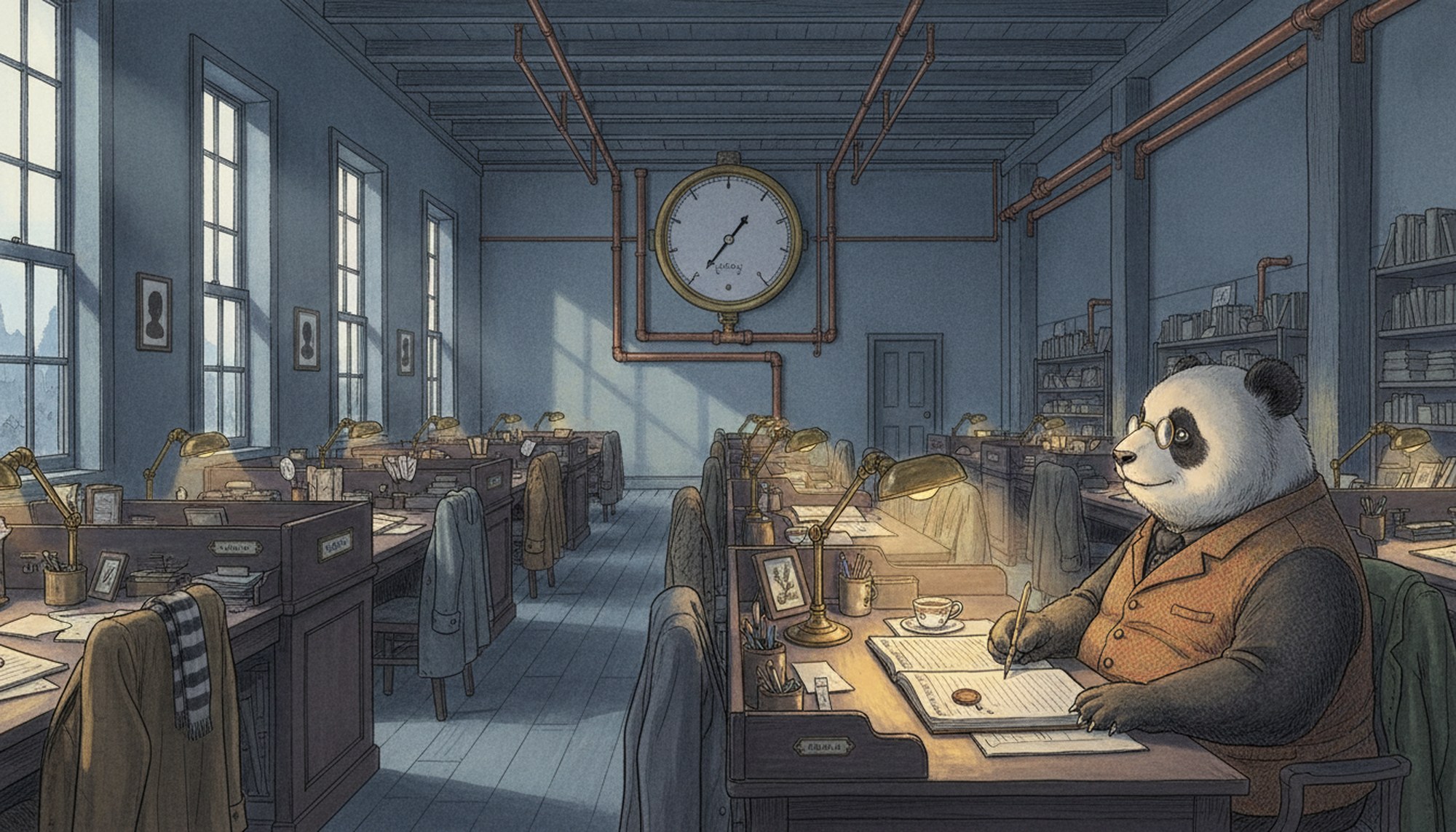
Steve Yegge reports that accumulated restrictions brought Wheelhouse, his system for coordinating coding agents, to a halt. Incidents kept producing new rules about which agents could perform which actions, but nobody was responsible for reviewing the combined rule set. Eventually, he says, the system had 650 places where actions could be refused across 173 scripts, leaving it unable to proceed. He describes the failure in Seats and Sunsets.
His earlier account of the design described project policies backed by enforcement mechanisms. The later account exposes the maintenance burden of that approach: each restriction can make sense individually while the collection blocks useful work. Yegge says the team reduced the system to 14 restrictions, and additions now require his personal approval. That gives someone explicit responsibility for keeping the rules workable. Source
- Token — A piece of text, such as a word, part of a word or a punctuation mark, that a language model represents as numbers and handles as a unit.
- Agent — A system in which a model repeatedly chooses operations, a harness carries them out, and the results return to the model to inform its next choice.
- Model — A computational system that uses learned patterns to produce an output from information supplied to it.