Build Local AI Apps with C++ and NVIDIA TensorRT RTX Samples
- Source
- developer.nvidia.com
- Author
- Luca Spindler
- Date
Context
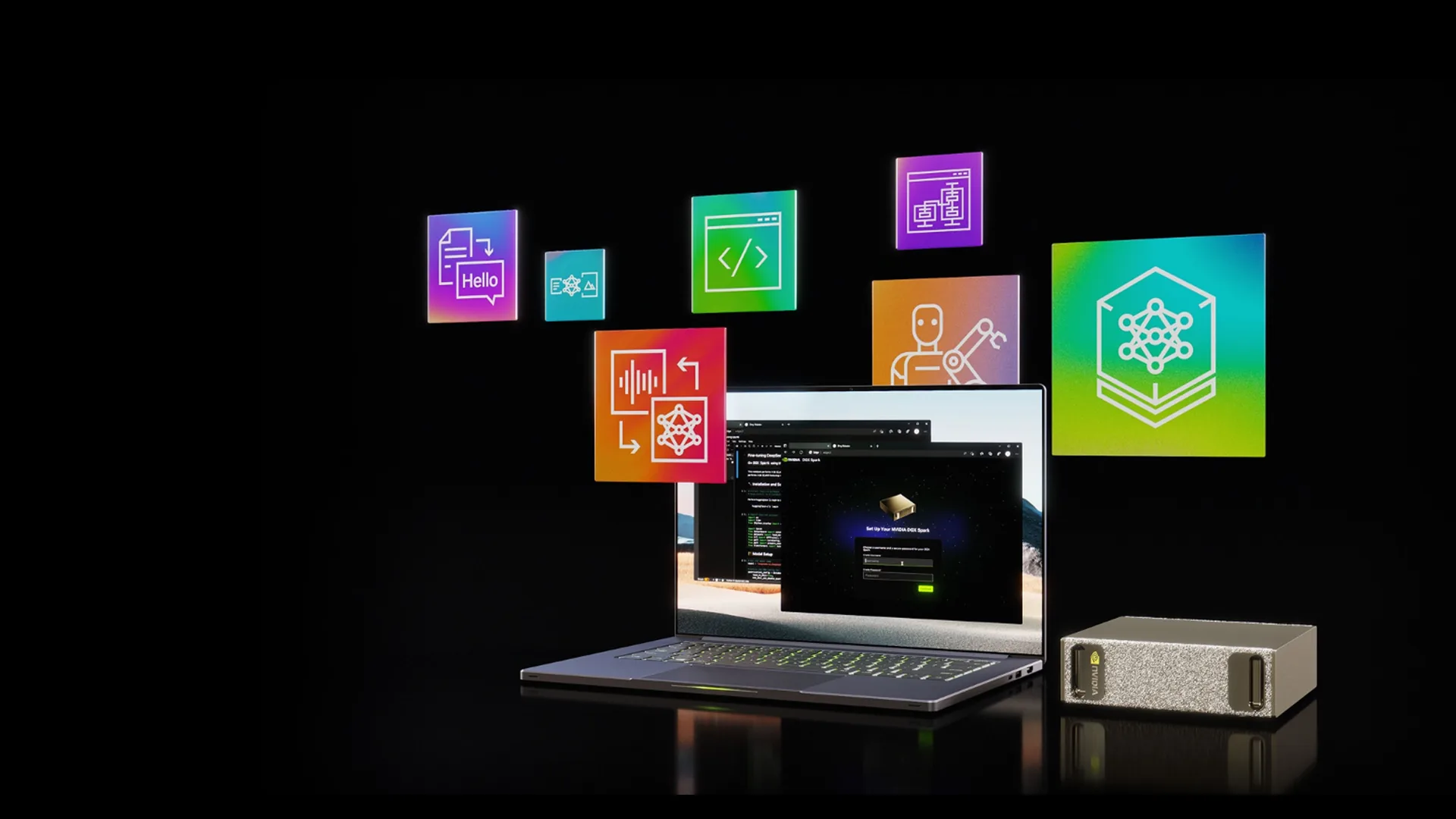
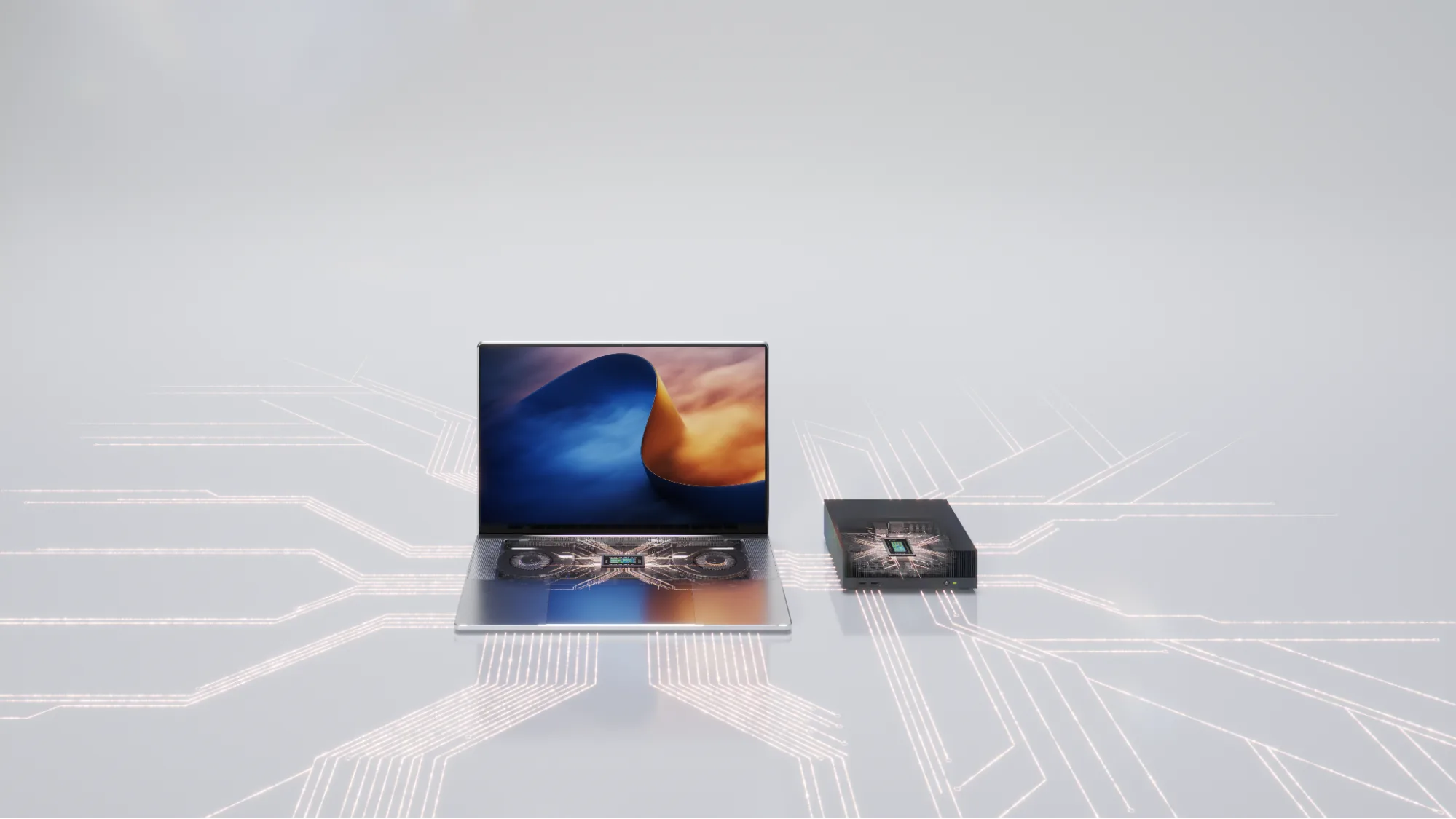
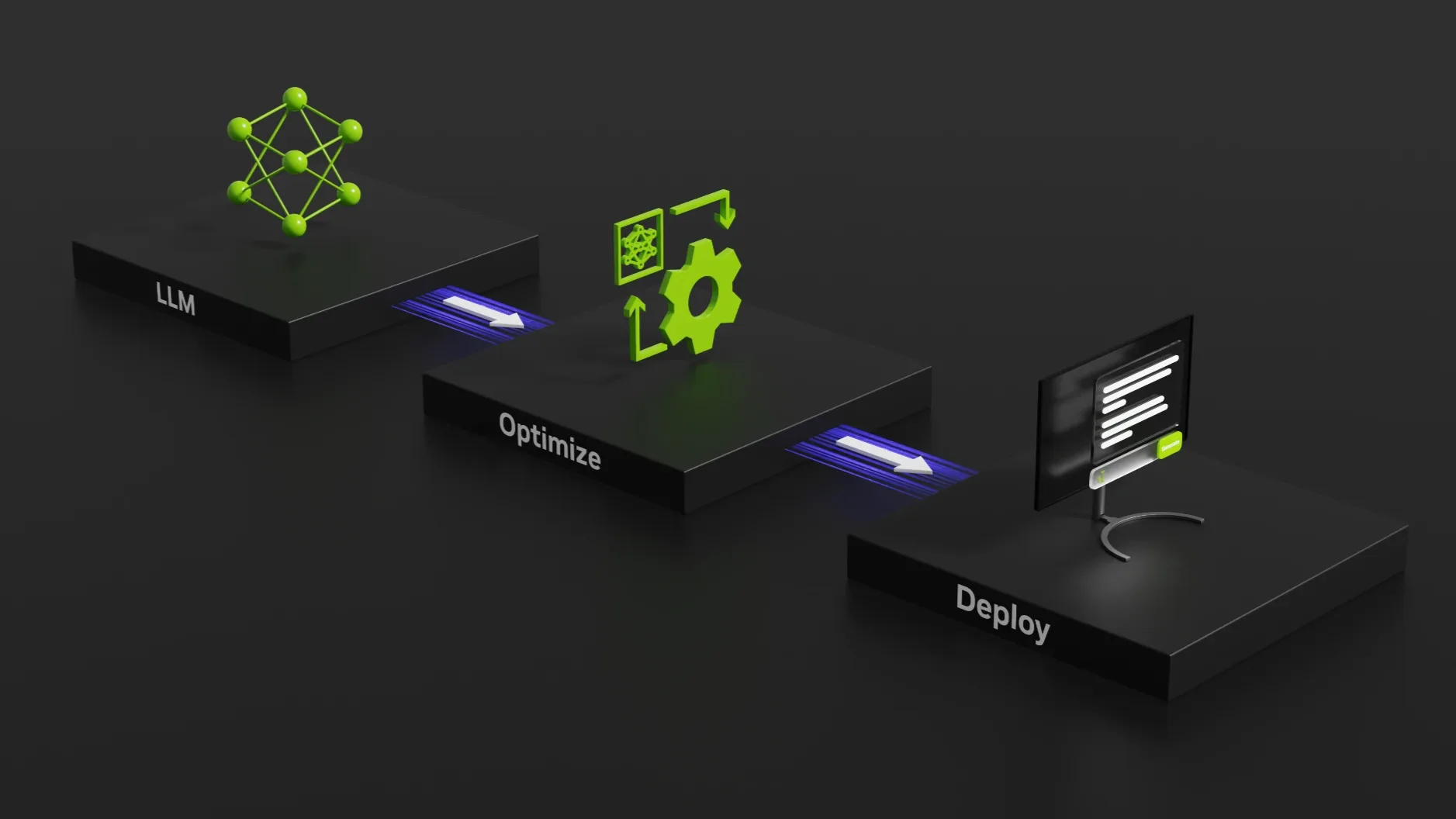
NVIDIA's DIN Deploy samples show how to put AI inside a native C++ application while keeping model conversion separate. A Python exporter converts a model checkpoint into ONNX, a portable model representation. The application then loads that exported model through ONNX Runtime, with TensorRT RTX providing GPU acceleration. The technical walkthrough supplies implementations for Windows and Linux.
That separation gives developers reusable application code rather than a different deployment path for every model. Most shared code uses the runtime's session and tensor interfaces; vendor-specific code appears in optional accelerated paths. Portability still depends on the chosen execution provider supporting the interfaces the sample requires.
- Each DIN Deploy sample is split in two: a Python exporter converts a Hugging Face checkpoint to ONNX, and a native C++ CLI built on ONNX Runtime runs it, so the app needs no model-specific runtime.
- Shared sample code sticks to ONNX Runtime session and tensor APIs. CUDA APIs and kernels appear only in optional accelerated paths, so any execution provider that supports those tensor APIs can run the common code.
- NVIDIA's own DGX Spark numbers put Whisper large-v3-turbo at 58.5x real time on GPU vs 3.8x on CPU, and Parakeet TDT 0.6B at about 206x vs 14x.
- Quantizing FLUX.2-klein with NVIDIA Model Optimizer keeps the ONNX interfaces unchanged, so the model is a drop-in swap with no application-code changes, though NVIDIA notes quantization is hardware-dependent.
- The FLUX.2 sample uses ONNX Runtime 1.25 graphics interop with Vulkan and DirectX (DirectX on Windows only) so pre- and postprocessing can work on GPU-resident resources.
- inference — Running a trained model to get answers — the phase where AI is actually used, as opposed to trained.
- quantization — Shrinking a model by storing its numbers less precisely — like rounding — so it runs faster and fits on smaller hardware, at a small quality cost.
Checking sign-in…
Loading comments…