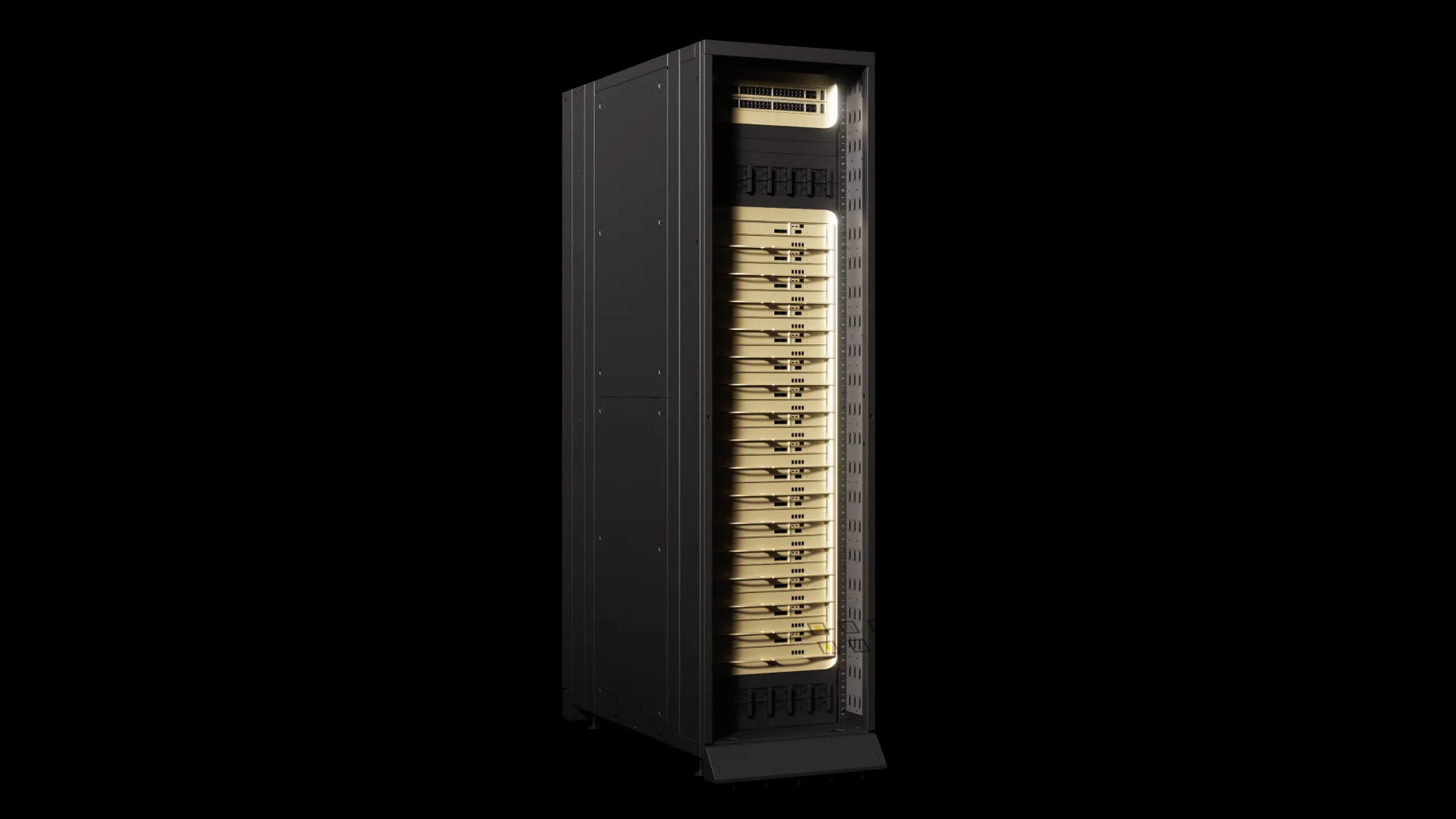
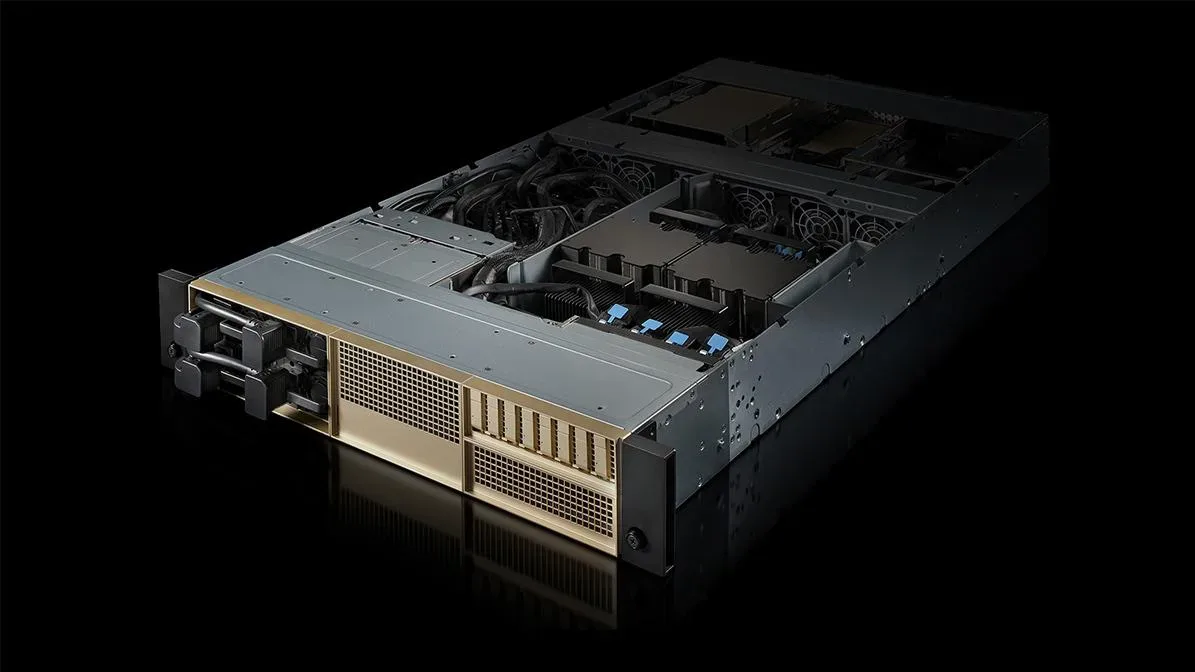
How NVIDIA Groq 3 LPX Deterministic Execution Drives Power-Efficient High-Interactivity Inference on NVIDIA Vera Rubin
Source
developer.nvidia.com
Author
Tanya Lenz
Date
Context
NVIDIA uses Groq 3 LPX's predictable execution schedule to anticipate electrical demand. The compiler knows when operations will run, so it can prepare the power supply before a spike and lengthen selected clock cycles to soften abrupt changes. The aim is to reduce the extra supply voltage maintained as a safety margin. The technical explanation reports more than 60% less voltage droop in internal testing; the resulting workload power savings remain estimates.
This extends the scheduling mechanism described in the earlier LPX coverage. That account explains how advance scheduling coordinates chip-to-chip transfers; this one explains how the schedule also informs power delivery.
Key takeaways · AI-distilled
Chips run with a voltage guardband, extra safety-margin voltage for current spikes, but since power scales with voltage squared, a 10% higher guardband costs about 21% more power; Groq's deterministic scheduling shrinks that margin by knowing exactly when spikes occur.
Groq 3 LPX's compiler pre-computes the exact clock cycle every operation and data transfer happens on across all 256 LPU chips, letting it predict current draw in advance and adjust voltage or clock cycles before a spike hits, cutting voltage droop over 60% in internal tests.
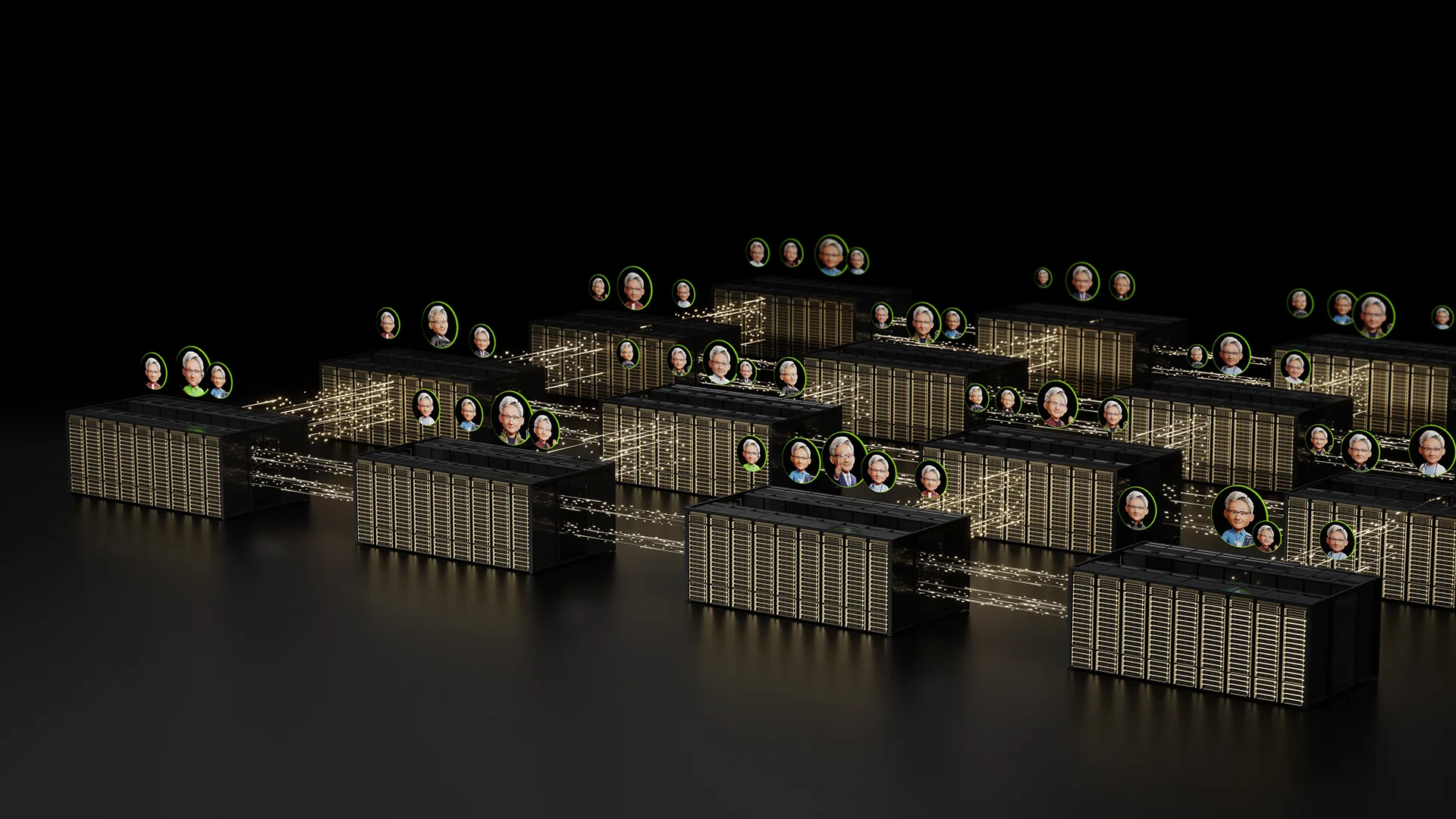
NVIDIA's DSX MaxLPS software shifts power between datacenter racks as demand shifts, recovering otherwise-stranded capacity to fit up to 40% more GPUs and deliver 35% more tokenThe chunk of text a model reads and writes in — roughly three-quarters of a word — and the unit AI usage is billed in.Full definition → throughput within the same total site power budget.
Pairing Groq 3 LPX with Vera Rubin NVL72 claims up to 35x more inferenceRunning a trained model to get answers — the phase where AI is actually used, as opposed to trained.Full definition → throughput per megawatt than the prior-generation GB200 NVL72, specifically for 2T+ parameter models running at long context windowThe maximum amount of text a model can consider at once — its working memory for the current conversation or task.Full definition → and high interactivity, the hardest power-efficiency case.
Terms in this piece · Glossary
inference — Running a trained model to get answers — the phase where AI is actually used, as opposed to trained.
token — The chunk of text a model reads and writes in — roughly three-quarters of a word — and the unit AI usage is billed in.
context window — The maximum amount of text a model can consider at once — its working memory for the current conversation or task.
 articleScaling NVIDIA TensorRT Performance Optimization Beyond a Single Build Route with the Global Performance Tuner, Part 2
 articleAccelerating Mamba-2 with High-Performance Forward Pass Kernels in NVIDIA CUDA Tile
 articleScale Agentic Coding Workflows with Meta’s Muse Spark Open on NVIDIA GB300 NVL72
 articleOptimizing Agent Reliability and Tool Calling Efficiency for Chip Design Using NVIDIA NeMo Gym