Inside NVIDIA Rubin GPU Architecture: Powering the Era of Agentic AI
- Source
- developer.nvidia.com
- Author
- Eduardo Alvarez
- Date
Context
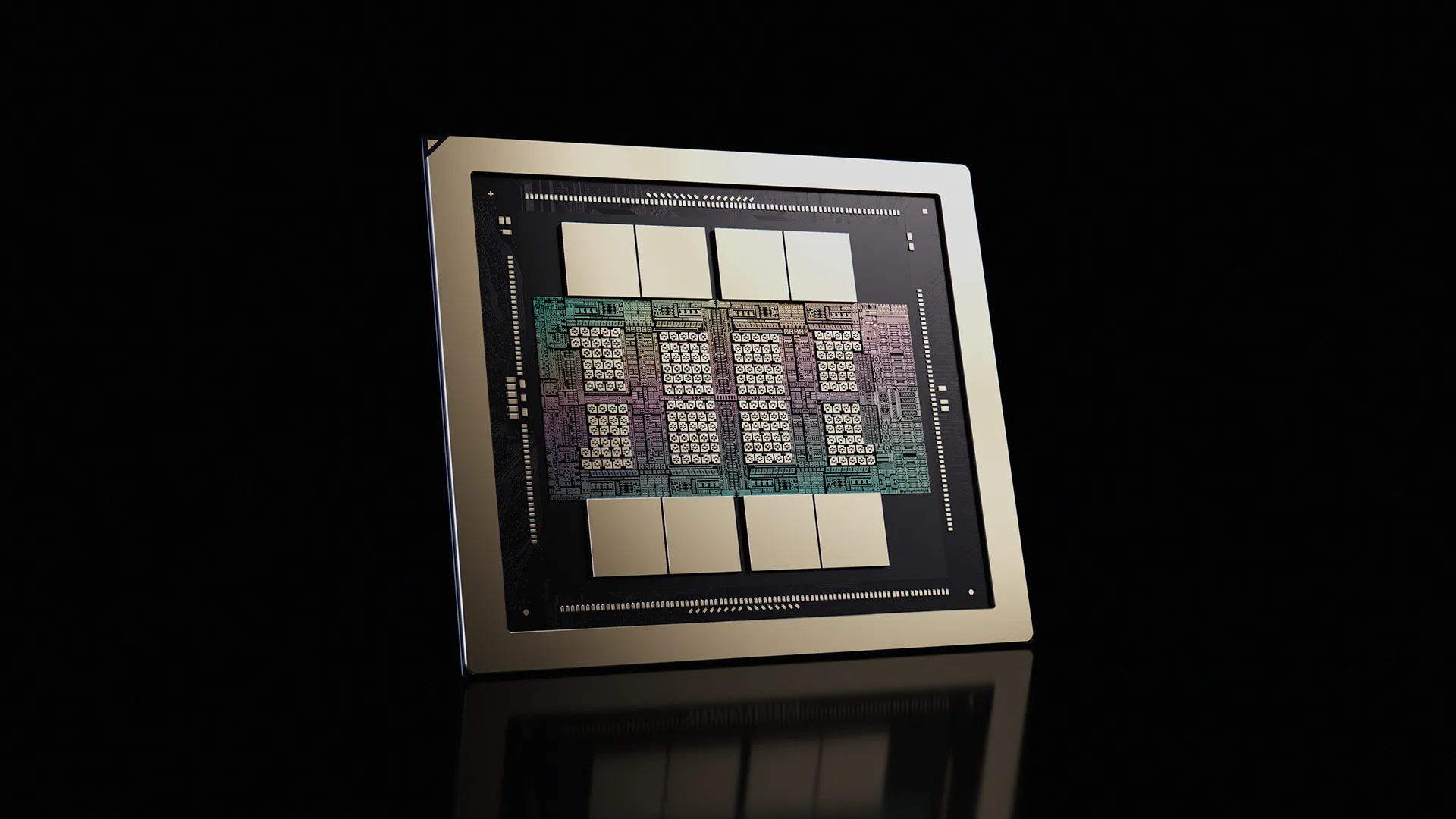
NVIDIA's Rubin architecture addresses a constraint that raw computing power cannot remove: generating long AI responses requires repeatedly moving model data and retained through memory. Its architecture article describes up to 288 GB of on-package memory and 22 TB/s of peak memory bandwidth, the latter claimed to be 2.8 times Blackwell's.
Those specifications serve different purposes. Capacity accommodates larger models, more retained context, or more simultaneous requests. Bandwidth determines how quickly the GPU can move the data needed for generation. The design aims to keep computing units supplied with work as agents reason through longer tasks; the bandwidth comparison alone is not a measurement of application speed. Memory subsystem explanation.
- context window — The maximum amount of text a model can consider at once — its working memory for the current conversation or task.
- inference — Running a trained model to get answers — the phase where AI is actually used, as opposed to trained.
- transformer — The neural network architecture behind modern AI models, built on attention — letting every word directly consider every other word in parallel.
Checking sign-in…
Loading comments…