Claude Cowork with Dispatch
- Source
- oneusefulthing.org
- Author
- Ethan Mollick
- Date
Context
An AI becomes more useful for document work when it can operate on the document itself. Ethan Mollick describes asking Anthropic's Cowork through Dispatch from a phone to update a graph in a presentation. In Mollick's account, the inspected the presentation but encountered a blocked download. After Mollick supplied a newer paper's link, it extracted the graph and inserted it into the slides. The example shows how tools and file access turn a request into an edited artifact, with human help still needed at a specific obstacle.
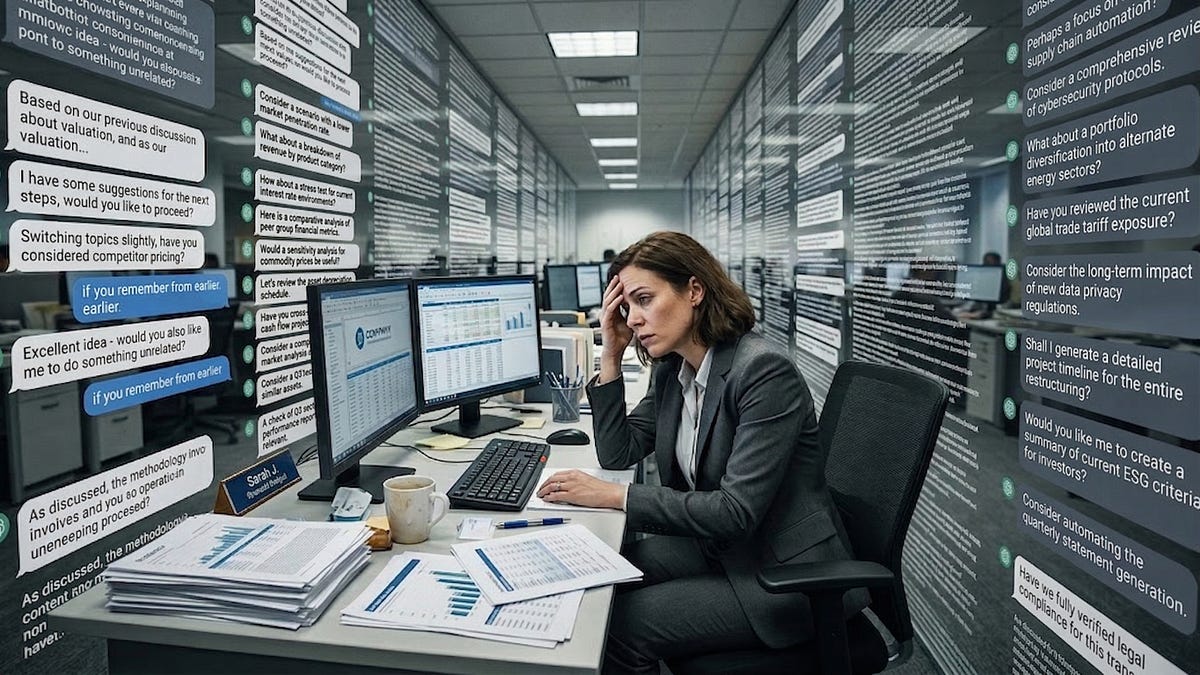
- The finance study coded cognitive load turn by turn and found the damage concentrated in less experienced workers, the group with the most to gain, because they had the least structure to impose on a sprawling conversation.
- Messy chat sessions stay messy. The model mirrors whatever structure the user brings, so a disorganized opening compounds instead of getting cleaned up, and neither side reorganizes.
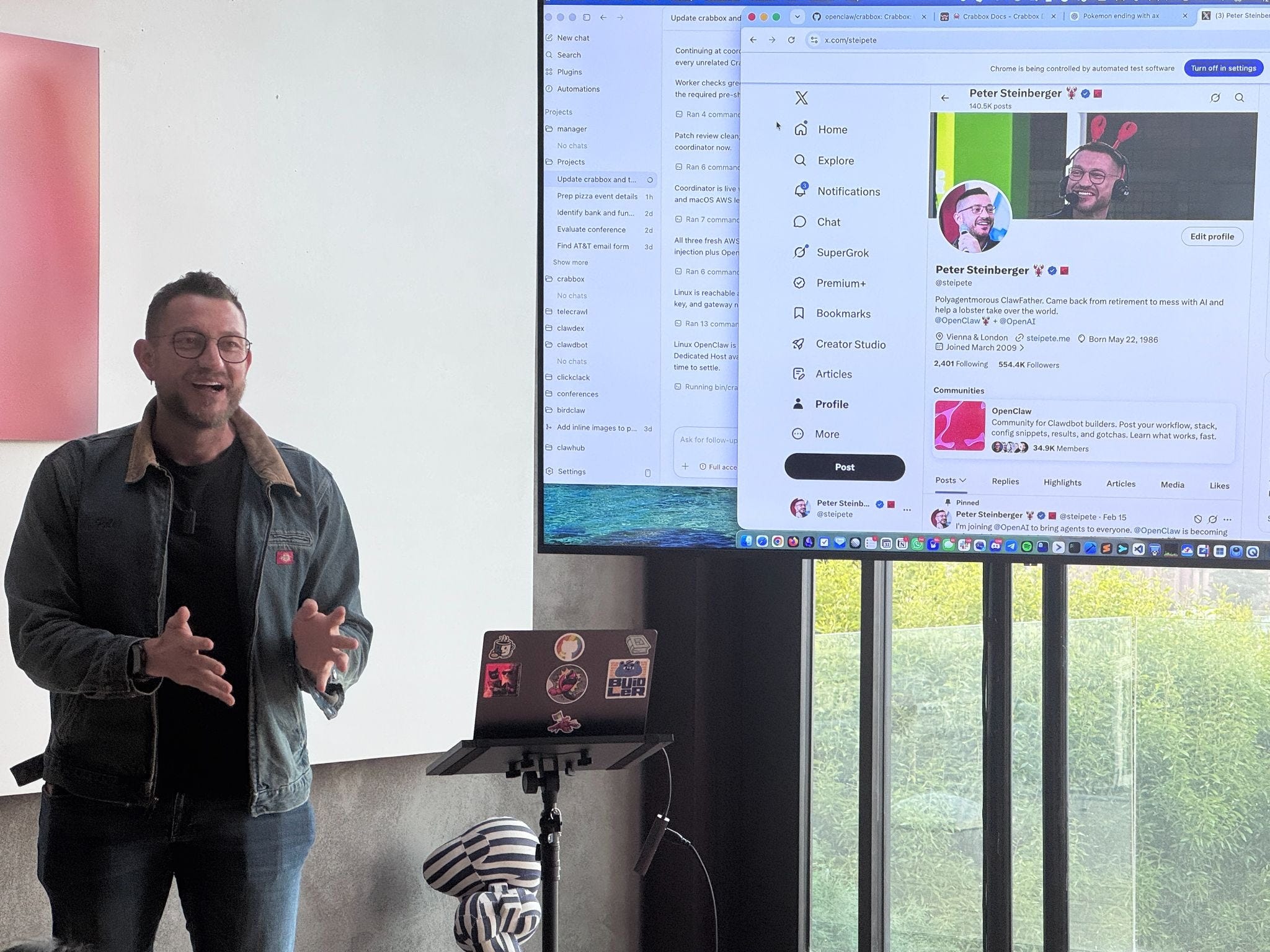
- OpenClaw's growth came from a routing choice, not a model. It takes instructions over WhatsApp, Telegram, or Slack, so the agent lives in an app you already check rather than in one more window.
- Cowork's fallback when no connector exists is to drive your mouse and keyboard directly. That covers everything but is error-prone, and the that makes it safer than OpenClaw also makes it more limited.
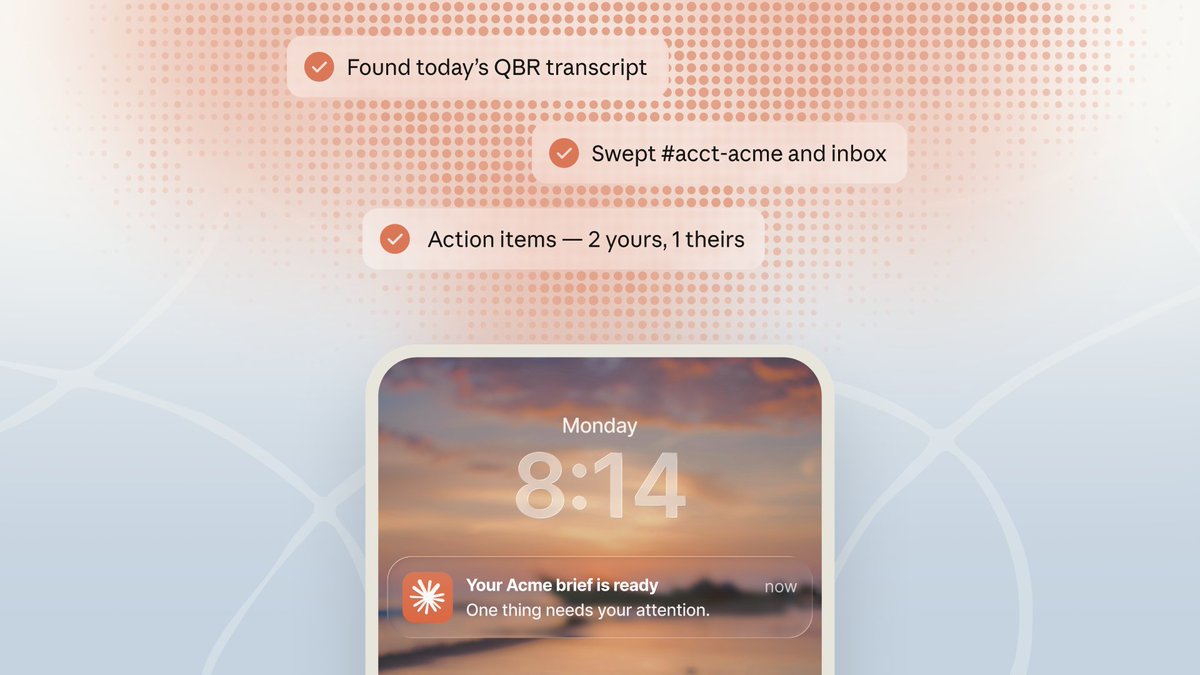
- Dispatch separates where the agent runs from where you talk to it: scan a QR code and your phone becomes a remote control for the agent working on your desktop files.
“We built one of the most powerful technologies in recent history and then made people access it by typing into a chat window.”
“The people hurt most were less experienced workers, exactly the people who could benefit the most from AI”
Checking sign-in…
Loading comments…