The most dangerous part of an AI agent is not what it thinks.
- Source
- x.com
- Date

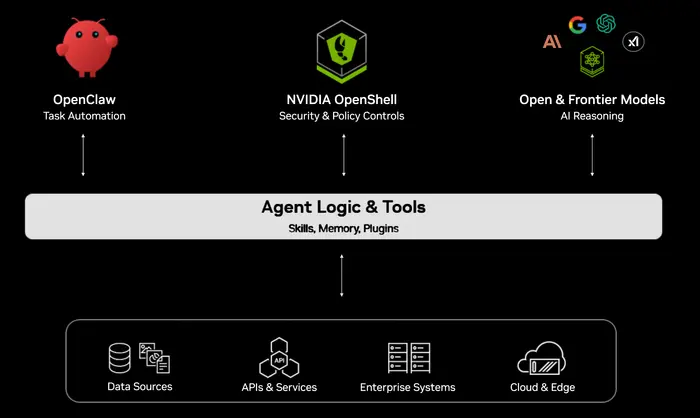
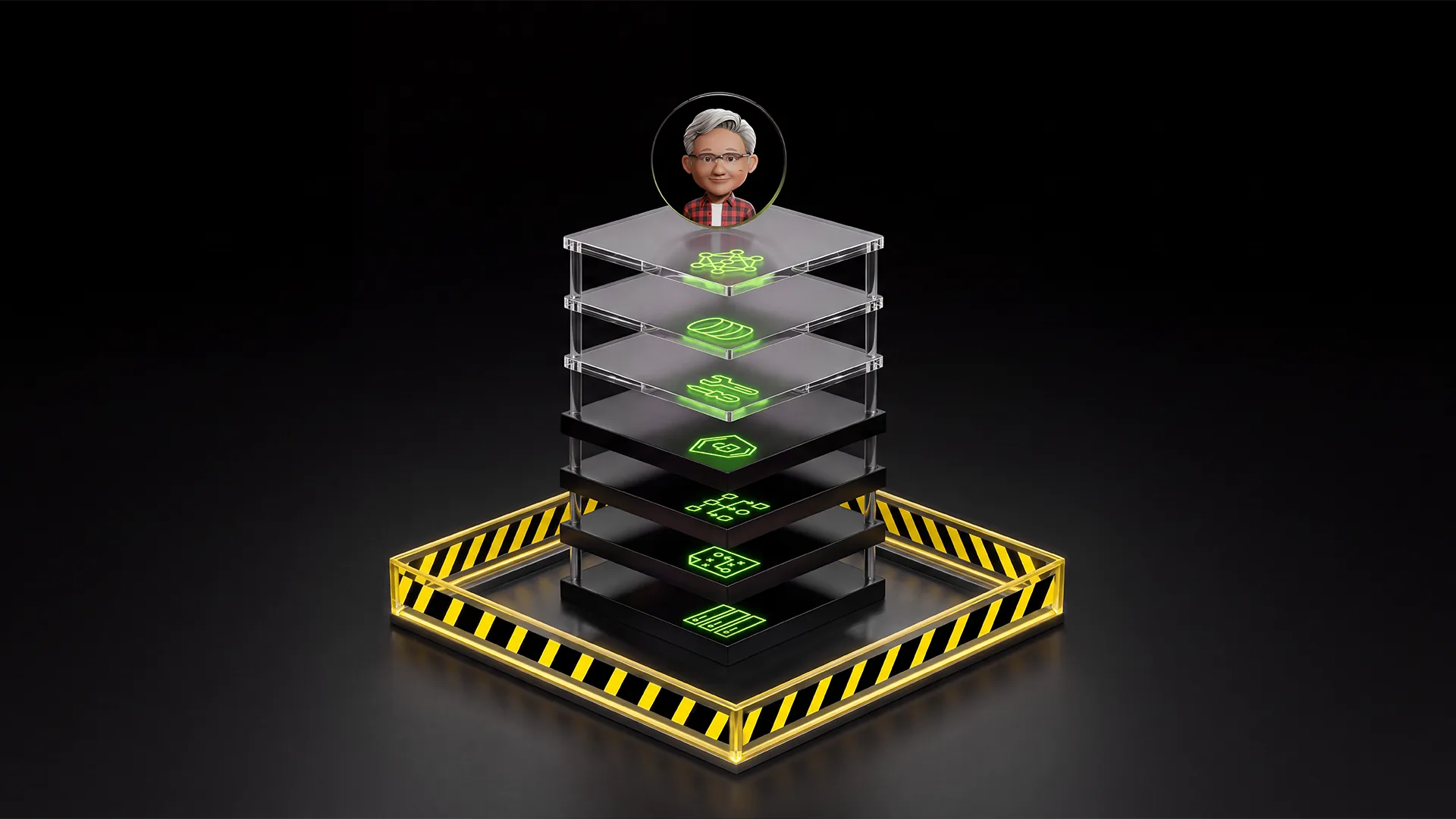
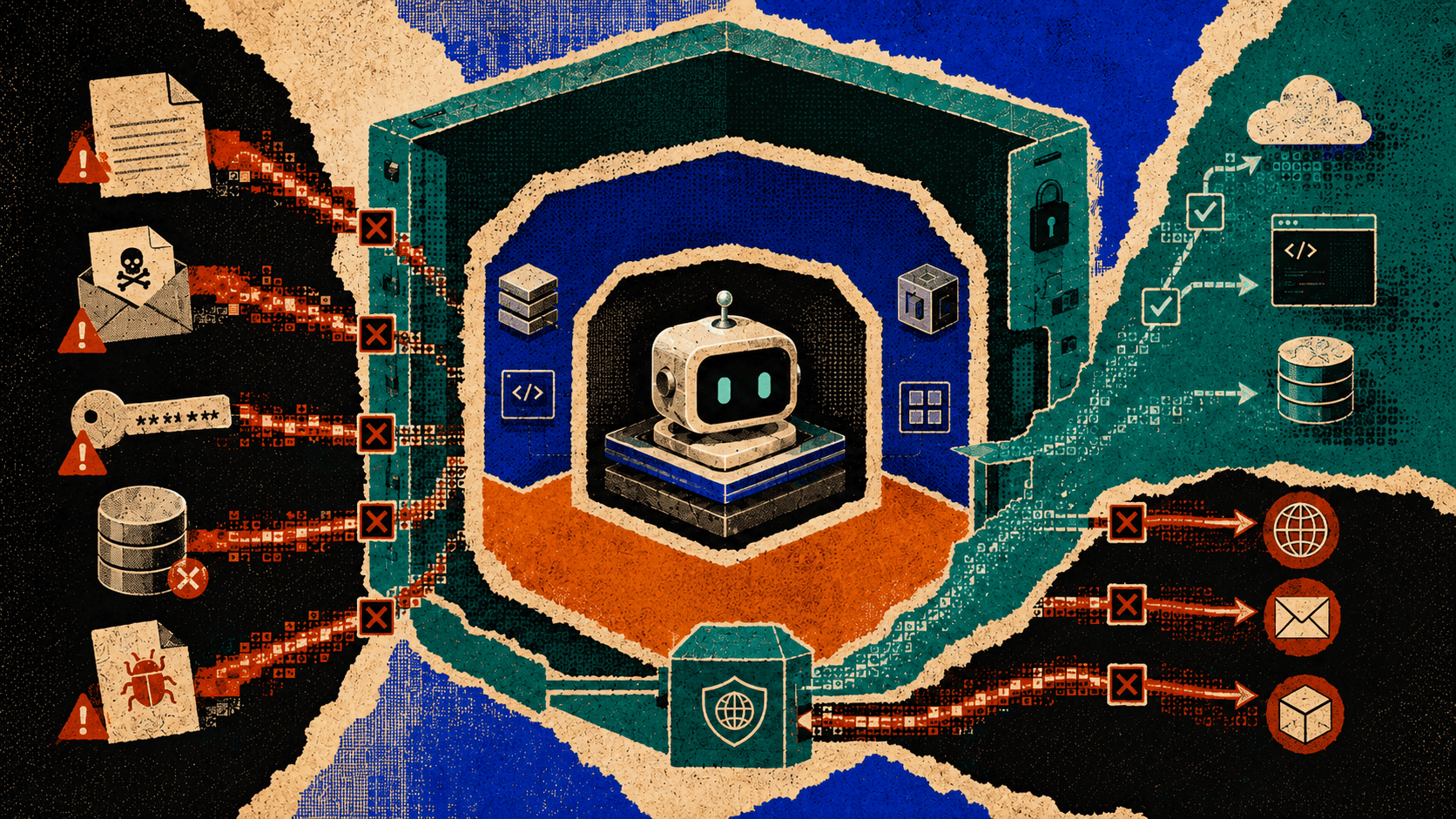
The most dangerous part of an AI agent is not what it thinks. It is what the system lets it do. Agents have already deleted 200+ emails, wiped a production database, and caused an outage while following what they believed was the correct action. Another system prompt does not fix that. Agent security is moving into three system layers: > Infrastructure: sandbox execution and keep credentials outside the agent > Runtime: reduce the attack surface and isolate each session > Network: inspect outbound requests before they leave the boundary @NVIDIAAI's NemoClaw handles the infrastructure layer with Docker, Landlock, seccomp, network namespaces, and a gateway that injects API keys only after approval. NanoClaw reduces the runtime surface with a small codebase and isolated ephemeral containers. CrabTrap treats the network as the final control point. Low-risk requests pass through static rules. High-risk requests go to an LLM judge and, when needed, a human approver. The security model changes once you assume the agent will eventually make the wrong decision.
Context
An 's permissions determine how far a mistaken decision can reach. AlphaSignal argues for enforcing boundaries outside the model, including limits on execution and outbound requests. The useful design question is what prevents a prohibited action after the agent has already decided to attempt it.
NVIDIA's OpenShell documentation illustrates that approach: a constrains file and system access, network connections face policy checks, and real access credentials are added to requests headed to approved endpoints. Enforcement happens in the surrounding software, giving operators a control point separate from the agent's interpretation of its instructions.
- AI agent — An AI system that doesn't just answer once but works toward a goal in a loop — taking actions, reading the results, and deciding what to do next.
- sandbox — An isolated environment where AI-generated code or agent actions run without being able to touch anything real.
- LLM — A large language model — the neural network behind tools like Claude and ChatGPT, trained on huge amounts of text to predict what comes next.

Checking sign-in…
Loading comments…