Ontologies Are So Back: Why AI Agents Are Reviving the Semantic Web
- Source
- latent.space
- Author
- Richard MacManus
- Date
Context
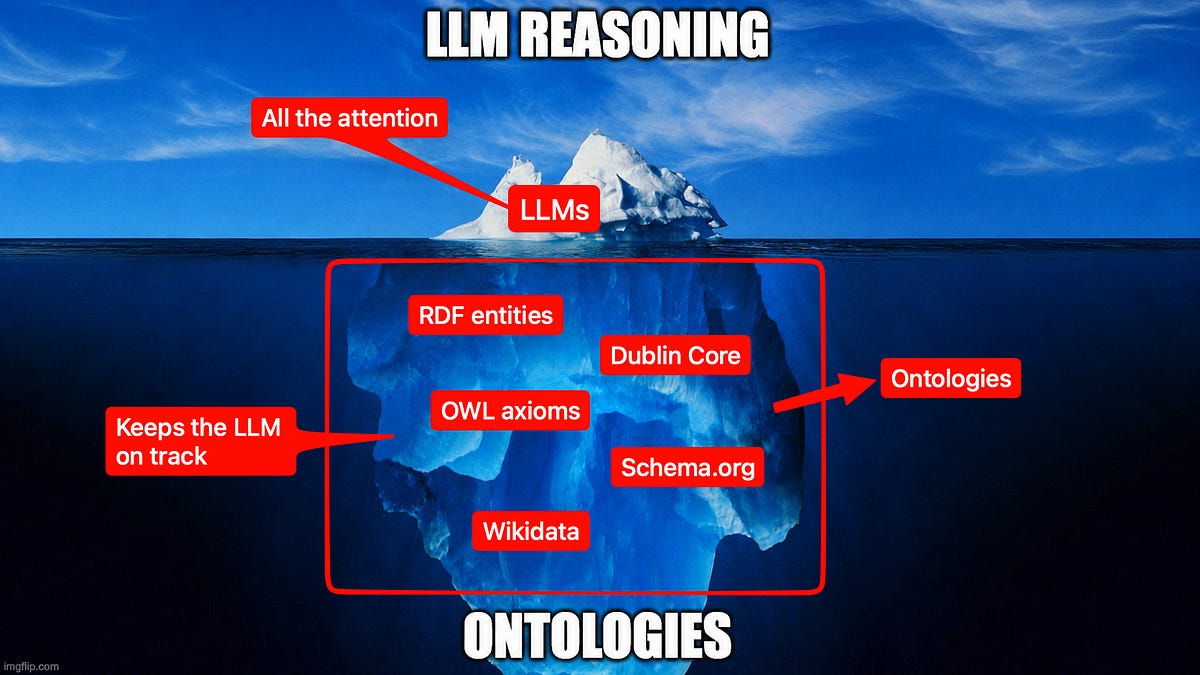
An ontology gives software explicit definitions of the things in a domain and the relationships between them. The OWL language primer explains how programs can use those definitions to check whether statements are logically consistent or derive additional conclusions. That supplies a concrete role alongside a : the model proposes an answer, and a separate reasoning system checks it against encoded knowledge.
The conference report describes this approach as a way to check an after it uses a tool. Its usefulness depends on maintaining the definitions and relationships as the domain changes. The supported benefit is checking consistency with that knowledge; a consistent answer can still rest on incorrect facts.
- LLM — A large language model — the neural network behind tools like Claude and ChatGPT, trained on huge amounts of text to predict what comes next.
- AI agent — An AI system that doesn't just answer once but works toward a goal in a loop — taking actions, reading the results, and deciding what to do next.
- guardrails — The checks around a model that block bad inputs and outputs — filters, validators, and permission rules the model itself can't override.
“a bounded set of rules around an unbounded loop”
Frank Coyle
“an OWL axiom is a rule a machine enforces”
Frank Coyle
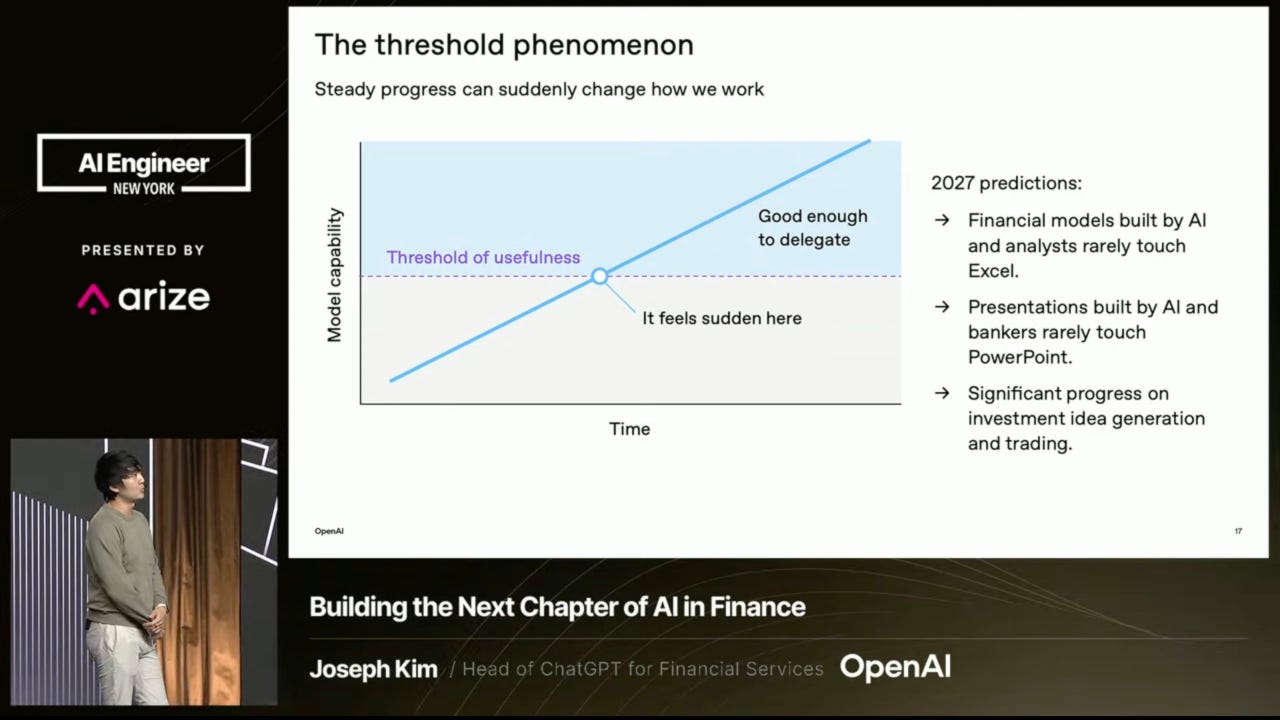 articleCrossing the Threshold: How OpenAI and Anthropic Approach Autonomy and Safety in Financial Agents
 articleHow Anthropic’s Dynamic Workflows Coordinate Claude Agents
 articleCan a Cloud-Native Harness Make Agents Reliable Beyond the Desktop?
 articleInside-Out AI: Rebuilding Airbnb Behind the Scenes and Across the Guest Experience


Checking sign-in…
Loading comments…