Inside-Out AI: Rebuilding Airbnb Behind the Scenes and Across the Guest Experience
Source
Richard MacManus
Author
Richard MacManus
Date
Key takeaways · AI-distilled
Al-Dahle says 60% of Airbnb's code is now AI-authored, features shipped are up nearly 80% year over year, and per-engineer PR throughput is up about 1.6x. Teams go straight to prototypes, treating code rather than requirement docs as the artifact.
AI alone resolves roughly half of Airbnb's support tickets (its Q2 results said nearly 45%). Al-Dahle credits heavy synthetic-data testing before production and says the team deliberately leaves some cases, such as safety issues, to humans.
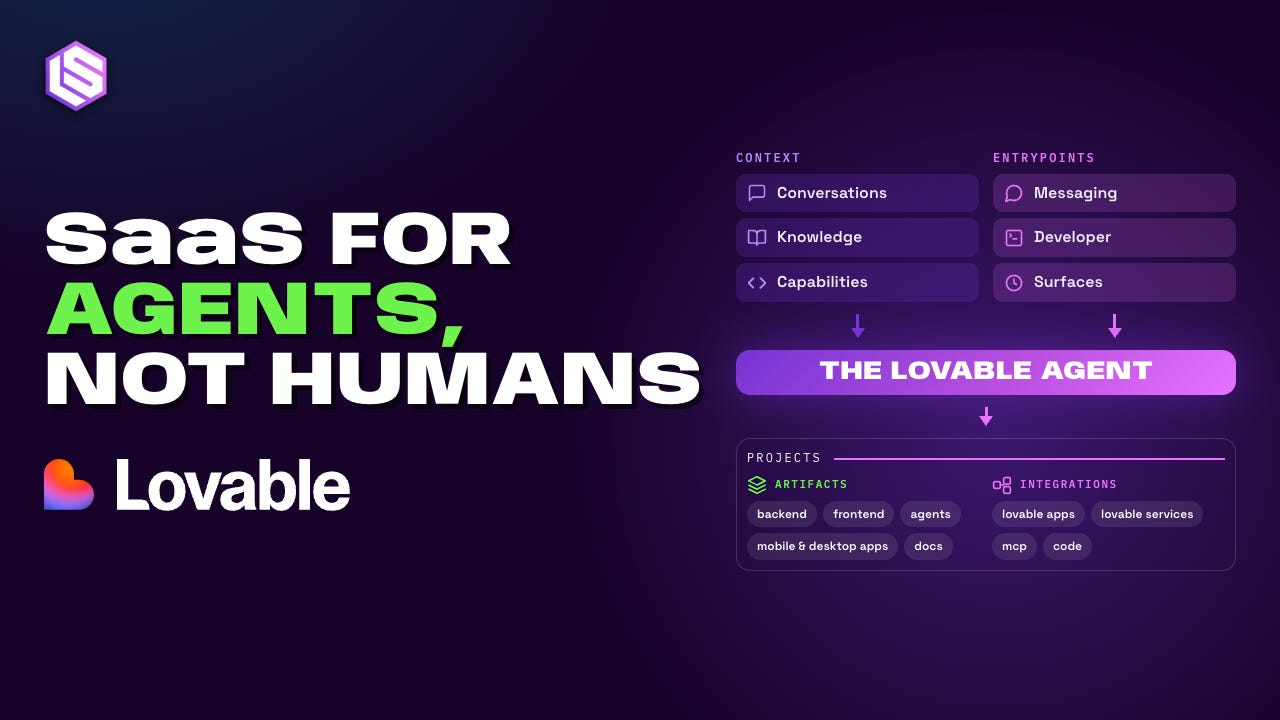
Everest, an internal context windowThe maximum amount of text a model can consider at once — its working memory for the current conversation or task.Full definition → graph built with LLMs, embeddingA list of numbers representing a piece of text's meaning, so that similar meanings end up numerically close and can be searched.Full definition → and retrieval, carried lessons from the grocery service into airport pickups; per Airbnb's Q2 report, groceries took eight to nine months and airport pickups about six weeks.
Airbnb runs at least 10 customized models, doing most post-training on open models, and evaluates each use case on production-sampled queries: the strongest frontier model for coding, small post-trained models for latency-sensitive search.
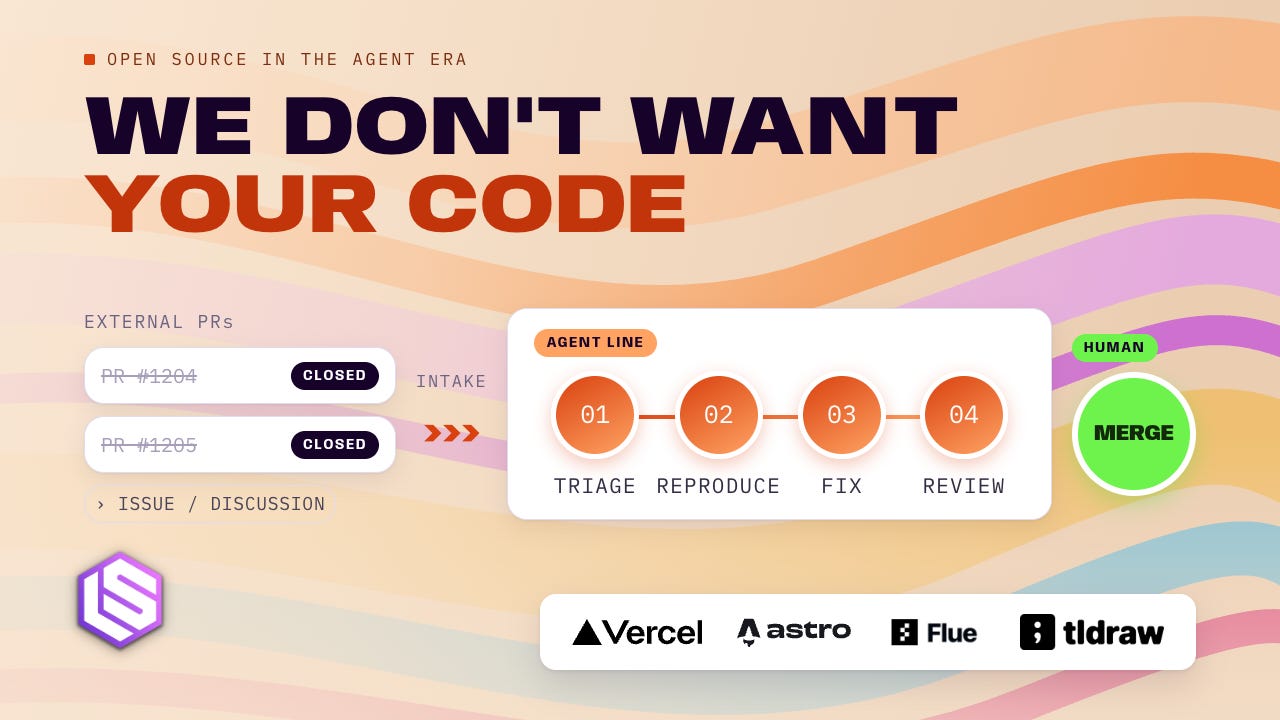
Teams are starting to automate first-line on-call: a monitoring alert spins up containerized agents that triage, propose a PR for human review, or close an incident they judge flaky. Al-Dahle requires engineers to explain any AI-written PR.
Terms in this piece · Glossary
context window — The maximum amount of text a model can consider at once — its working memory for the current conversation or task.
embedding — A list of numbers representing a piece of text's meaning, so that similar meanings end up numerically close and can be searched.
Why it matters
Shows a concrete adoption pattern: use AI to speed internal product development, then ship the same capabilities to customers. Gives engineering leaders a real example of deploying models in production at scale.