Using AI Agents to Teach Robots Like Microduck to Walk in Simulation
Source
developer.nvidia.com
Author
Gabriele Leone
Date
Why it matters
Shows how coding and planning agents can chain asset generation, simulation setup and reinforcement-learning training into one workflow. It gives concrete scale (4,096 parallel environments) and a local validation step before sim-to-real transfer.
Key takeaways · AI-distilled
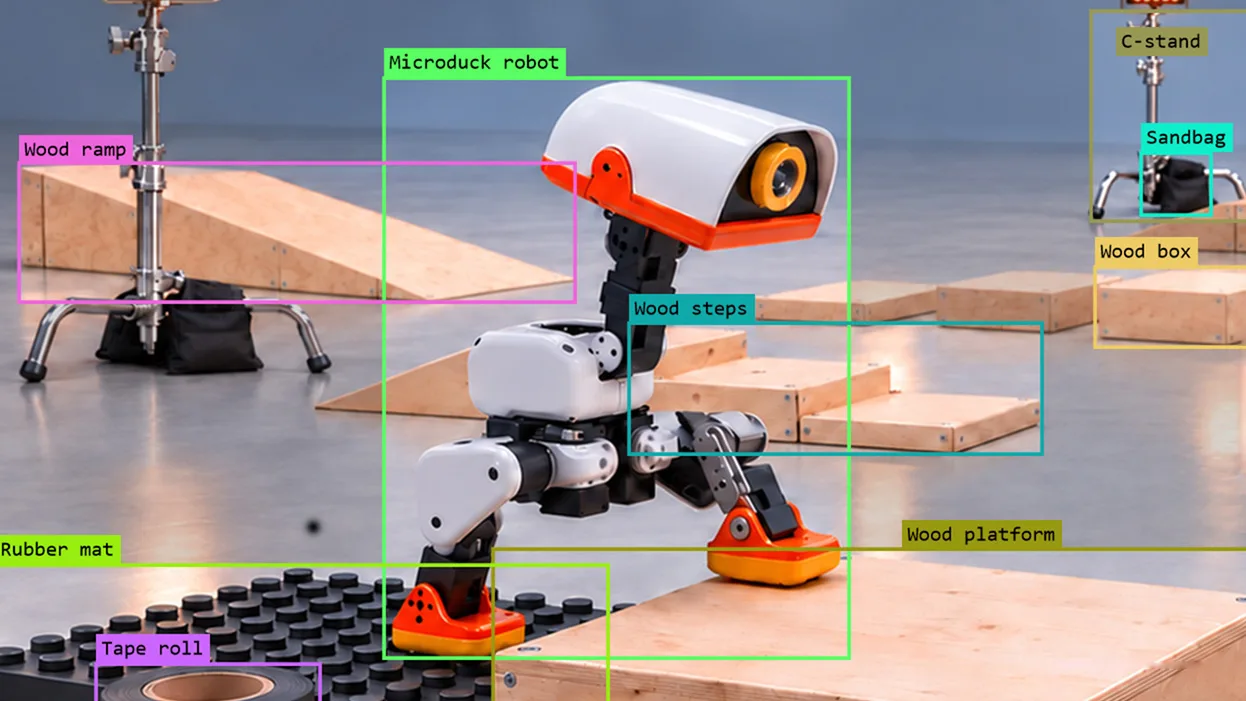
NVIDIA's workflow splits AI agentAn AI system that doesn't just answer once but works toward a goal in a loop — taking actions, reading the results, and deciding what to do next.Full definition → roles: Hermes and Nemotron 3.5 Bolt turn a prompt into a plan and asset inventory on RTX Spark, then hand a packaged brief to Astra, which builds the 3D assets and assembles the course in Isaac Sim.
The asset inventory records where objects are cut off or hidden in the concept image, and dimensions the images can't establish are logged as modeling assumptions, so later stages can separate what was seen from what was guessed.
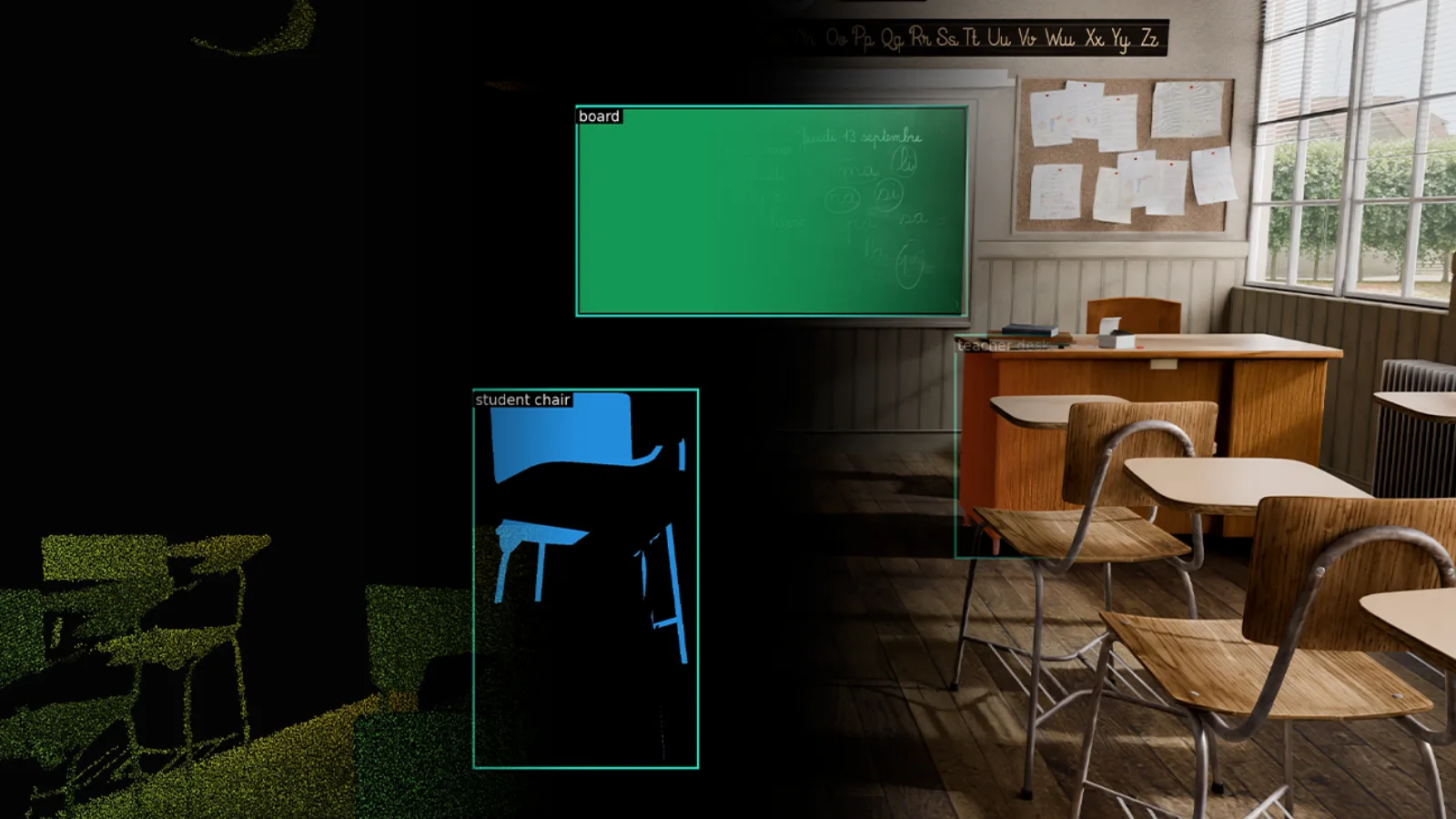
The walking policy was not trained from scratch: a locomotion policy pretrained in Isaac Lab's Microduck example got additional training for ramps and uneven ground, using head-camera depth plus robot-state observations.
For sim-to-real, the authors point to Better Actuator Models, which simulate servo command delay, drivetrain backlash and voltage drops from a shared battery, plus domain randomization of physics and sensor noise. Hardware deployment is outside the post's scope.
Terms in this piece · Glossary
AI agent — An AI system that doesn't just answer once but works toward a goal in a loop — taking actions, reading the results, and deciding what to do next.