An Advanced System Architecture Breakdown of OpenAI’s Jalapeno Inference Accelerator
- Source
- siliconcodesign.com
- Date
Context
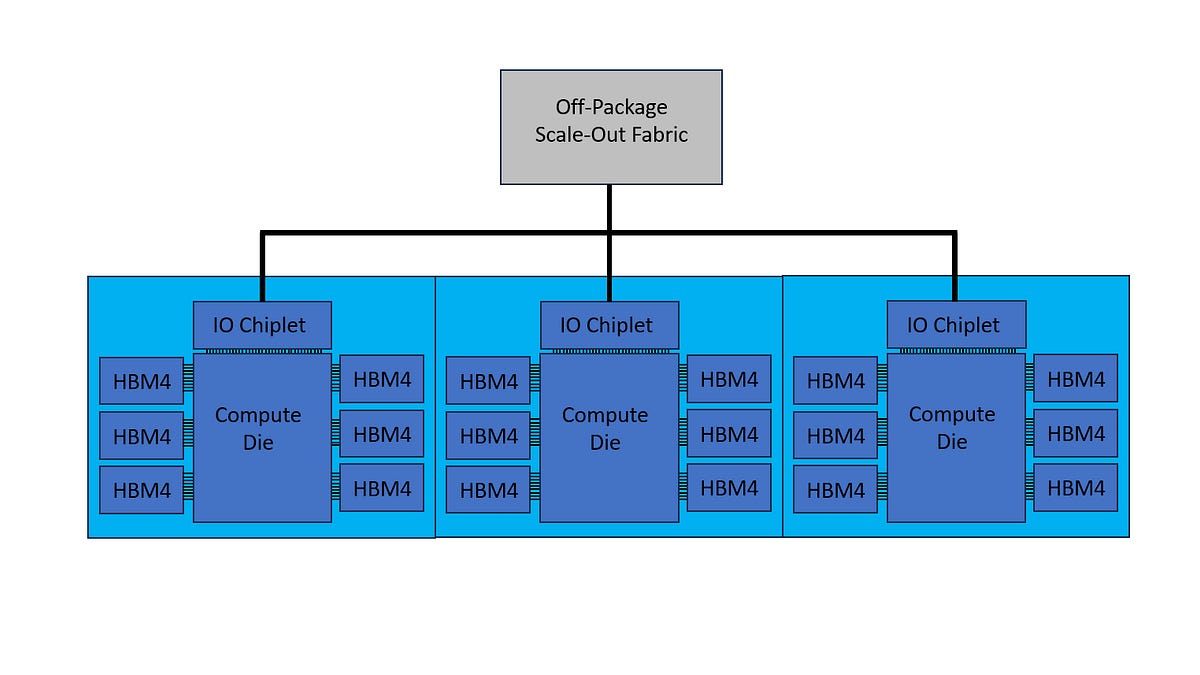
OpenAI's Jalapeño chip, presented at Hot Chips 2026, was designed around the time and energy needed to finish a whole AI request rather than around peak chip speed, according to Silicon Co-Design's architecture breakdown (only its first part is free). Reading a prompt is compute-heavy, while writing the reply piece by piece is mostly limited by how fast memory can be read, and delays moving data between chips can leave processors idle.
The breakdown says OpenAI responded by keeping the model's working memory of the conversation (the ) close to the compute, memory and network on a single chip design, instead of splitting prompt reading and reply writing across separate specialist chips. It also describes OpenAI setting a response-time target first and then optimizing efficiency under that target. figures are a separate matter: OpenAI's own first-results report (OpenAI's page) gives the company's measurements, which this explanation does not assess.
- inference — Running a trained model to get answers — the phase where AI is actually used, as opposed to trained.
- KV cache — The memory a model keeps about text it has already read, so generating each new token doesn't require reprocessing the whole conversation.
- benchmark — A standard public test set for comparing AI models — the shared scoreboards behind every "model X beats model Y" claim.

Checking sign-in…
Loading comments…