Why the cheap model sometimes costs more than the expensive one
Source
x.com
Author
WRITER
Date
Context
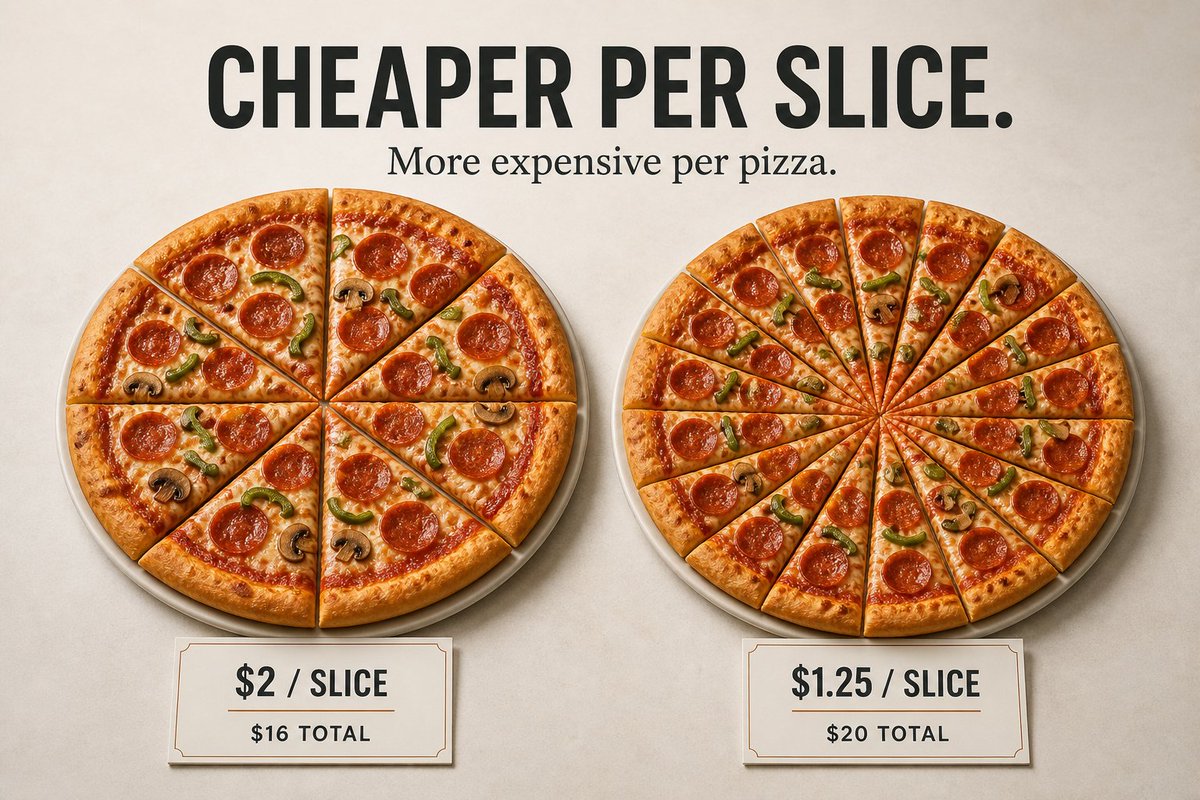
A lower price per token can still produce a higher bill for a completed task. That is the useful distinction in WRITER's cost analysis: an AI agentAn AI system that doesn't just answer once but works toward a goal in a loop — taking actions, reading the results, and deciding what to do next.Full definition →'s total consumption depends on how much it reads and how long it works. In the linked Databricks coding benchmark, Anthropic's Sonnet 5 was cheaper per token than Opus 4.8 but cost $2.09 per task against $1.94, consuming more tokens and completing fewer tasks successfully.
The surrounding agent software also affects that consumption by deciding what context windowThe maximum amount of text a model can consider at once — its working memory for the current conversation or task.Full definition → to send on each turn. This connects the article to WRITER's earlier harness-efficiency research: compare completed-task cost and quality for the whole setup.
Terms in this piece · Glossary
AI agent — An AI system that doesn't just answer once but works toward a goal in a loop — taking actions, reading the results, and deciding what to do next.
context window — The maximum amount of text a model can consider at once — its working memory for the current conversation or task.
agent harness — The scaffolding around a model that turns it into a working agent — the loop, the tools it can call, and the rules for when to stop.
open weights — A model whose trained parameters are published for anyone to download and run — unlike API-only models you can access but never possess.