I spent much of the weekend talking with the team who did this work.
- Source
- x.com
- Date

I spent much of the weekend talking with the team who did this work. Seb--and everyone else--acted with integrity and generosity throughout. Initially we believed the other team had also solved the problem. We wanted to collaborate and do a joint release. When we learned that they had Euler but not Navier-Stokes, we offered to let them go first, to suggest that they should be the ones to get the prize, and optionally for Tristan to be the lead author on a rewrite of the OpenAI proof. We felt it was challenging to offer the same to Levent (an Anthropic employee), who was not willing to talk or coordinate with us anyway. We were open to other solutions. We would have greatly preferred coordination. We did not rush to publish even though the other team wasn't communicating with us. The team threatened us with unfounded accusations of plagarism. Now that we can see their work, the approaches appear to be different. It is also worth noting that our latest model can solve many, many other math problems. It is true that we tried this because there were rumors on the internet last week that Anthropic's models had solved a millennium problem and we were curious if ours could do it…
Context
On September 8, OpenAI reported that an internal system, run as roughly 10,000 parallel agents over about 88 hours, produced an analytical proof and a Lean formalization that a smooth, externally forced 3D Navier-Stokes flow can develop a singularity in finite time, a partial result on one of the Clay Mathematics Institute's Millennium Prize problems rather than a full resolution of it. Around the same time, a synthesis by Simon Willison describes a separate, roughly year-long effort by NYU mathematician Tristan Buckmaster and Anthropic researcher Levent Alpöge, working on a related version of the same problem with heavy use of AI tools including Claude and Codex.
In this post, Sam Altman says OpenAI initially believed the Buckmaster-Alpöge team had also solved Navier-Stokes and wanted a joint release; when OpenAI learned they had instead solved a related Euler problem, it offered to let them publish first, credit them for priority, or have one of them lead-author a rewrite of OpenAI's own proof. Altman says Alpöge was not willing to coordinate, that OpenAI held off publishing despite the lack of communication, and that the other side then accused OpenAI of plagiarism, an accusation he disputes. He also confirms OpenAI pursued the problem because of online rumors that Anthropic's models had already solved a Millennium problem.
None of this is independently verified here; it is Altman's own account of a dispute the other side has framed differently, and outside mathematicians were still checking the technical details of both proofs around this time.
- articleOn the Navier–Stokes Millennium Prize Problemsimonwillison.net
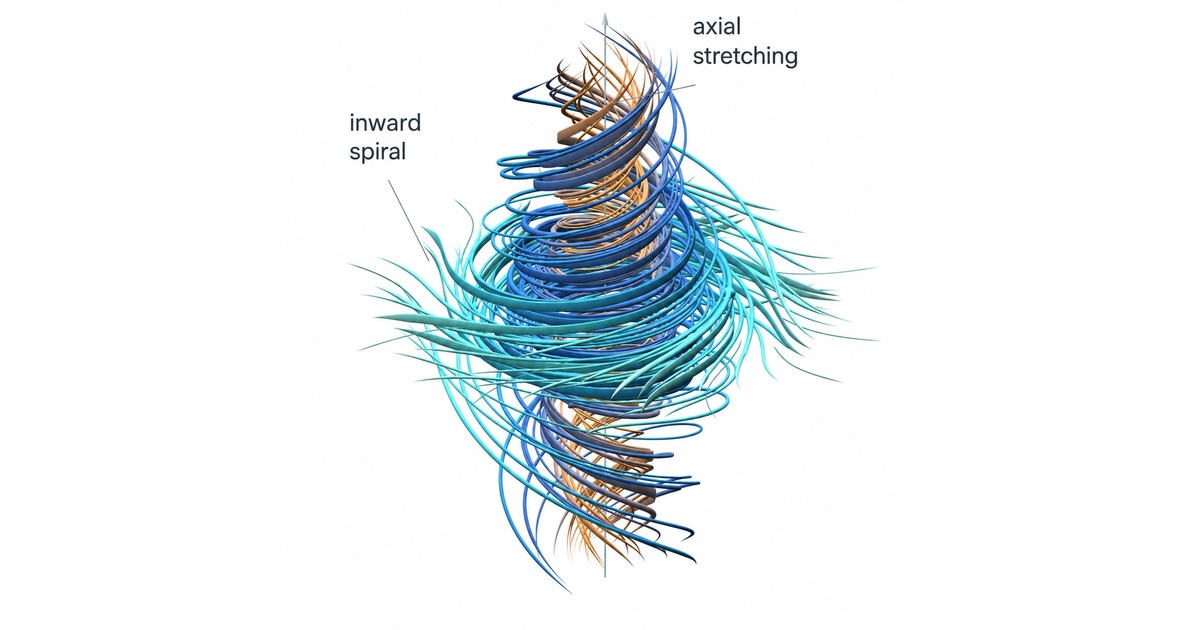 podcast9/8: OpenAI Solves Navier-StokesMTS
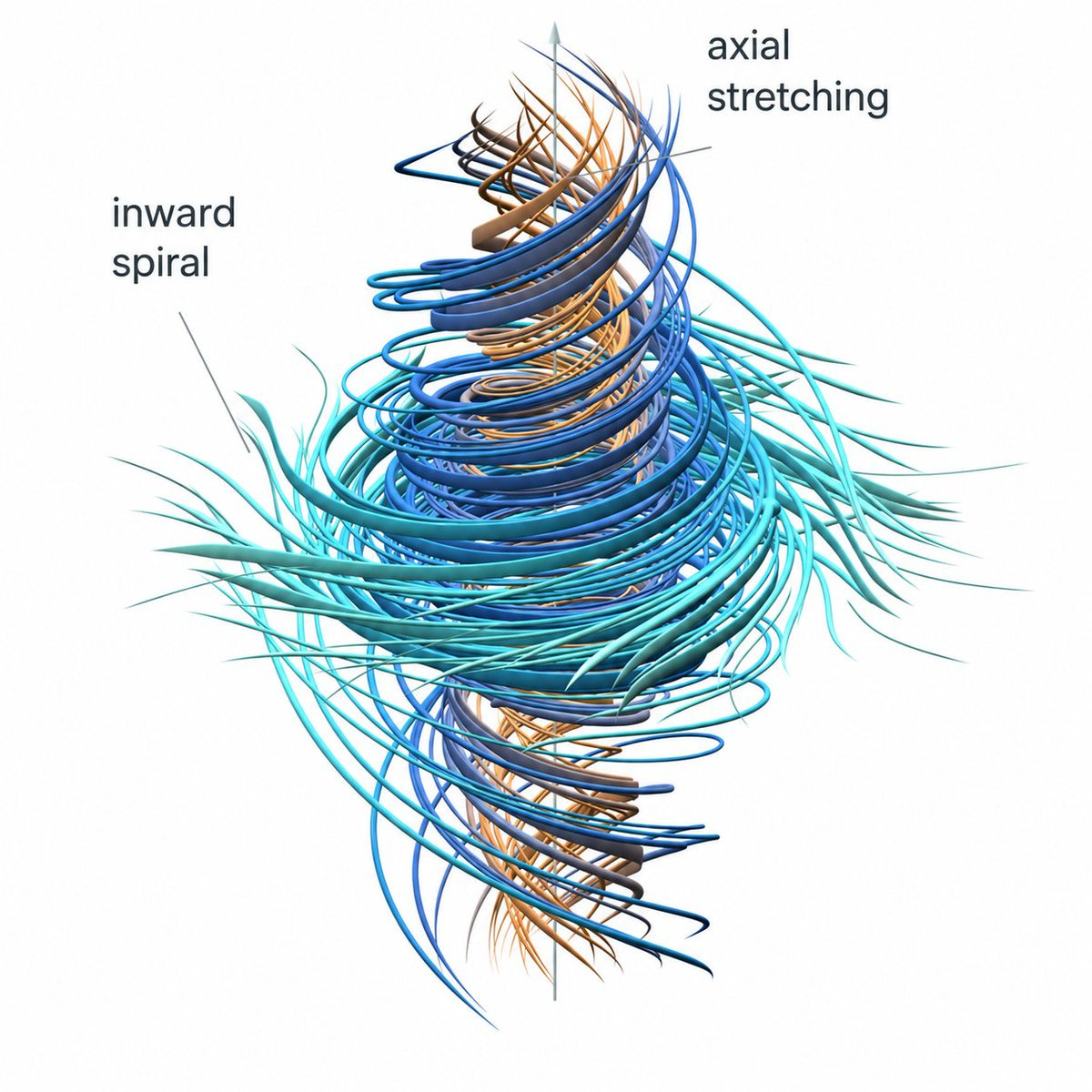 article[AINews] OpenAI reports Navier-Stokes singularity find in 88 hours using Astra-next, roughly 10,000 agents and 130B tokens (>$40M), a contender for second ever Millennium Prize awardedwww.latent.space
Checking sign-in…
Loading comments…