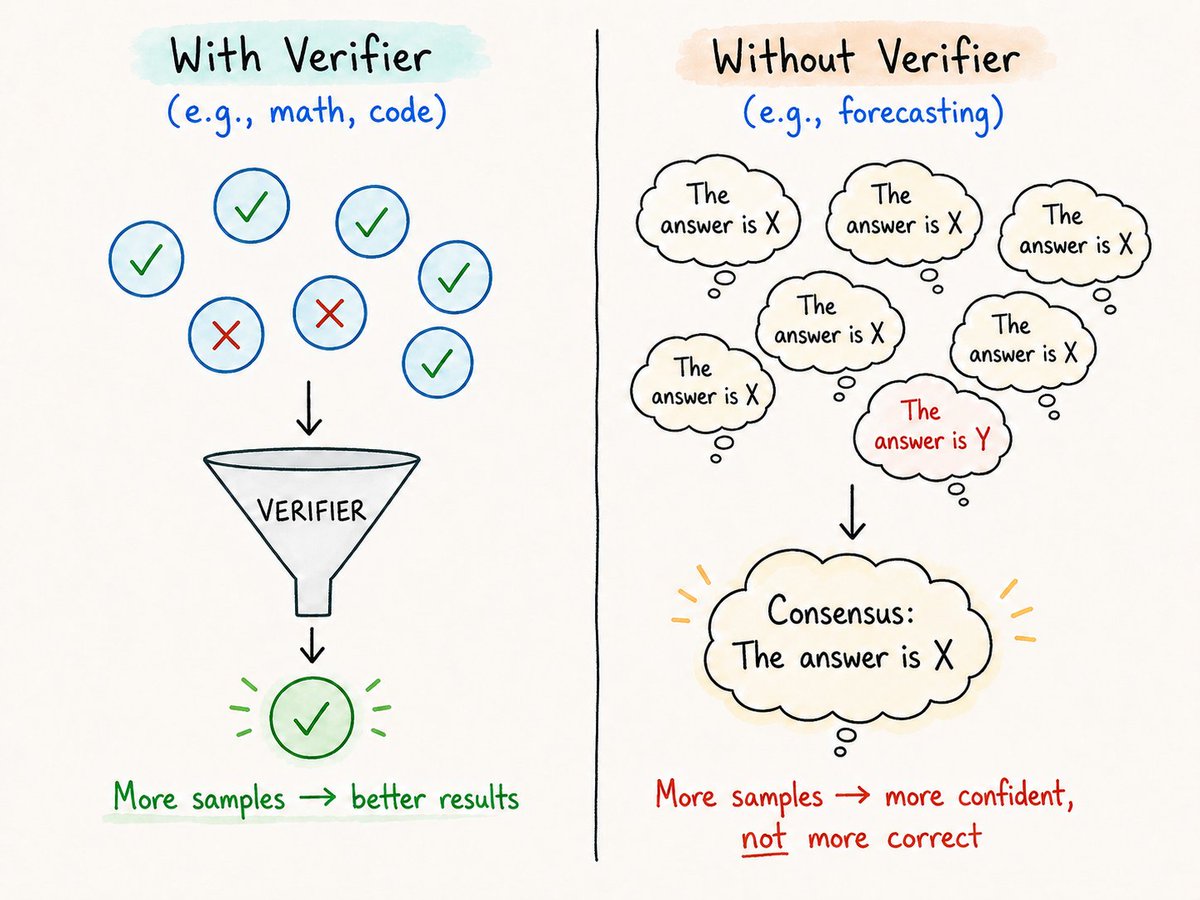
Gives a concrete way to have a model score its own answers as true or false and to predict whether it knows an answer, a primitive for confidence gating in agents.
Key takeaways · AI-distilled
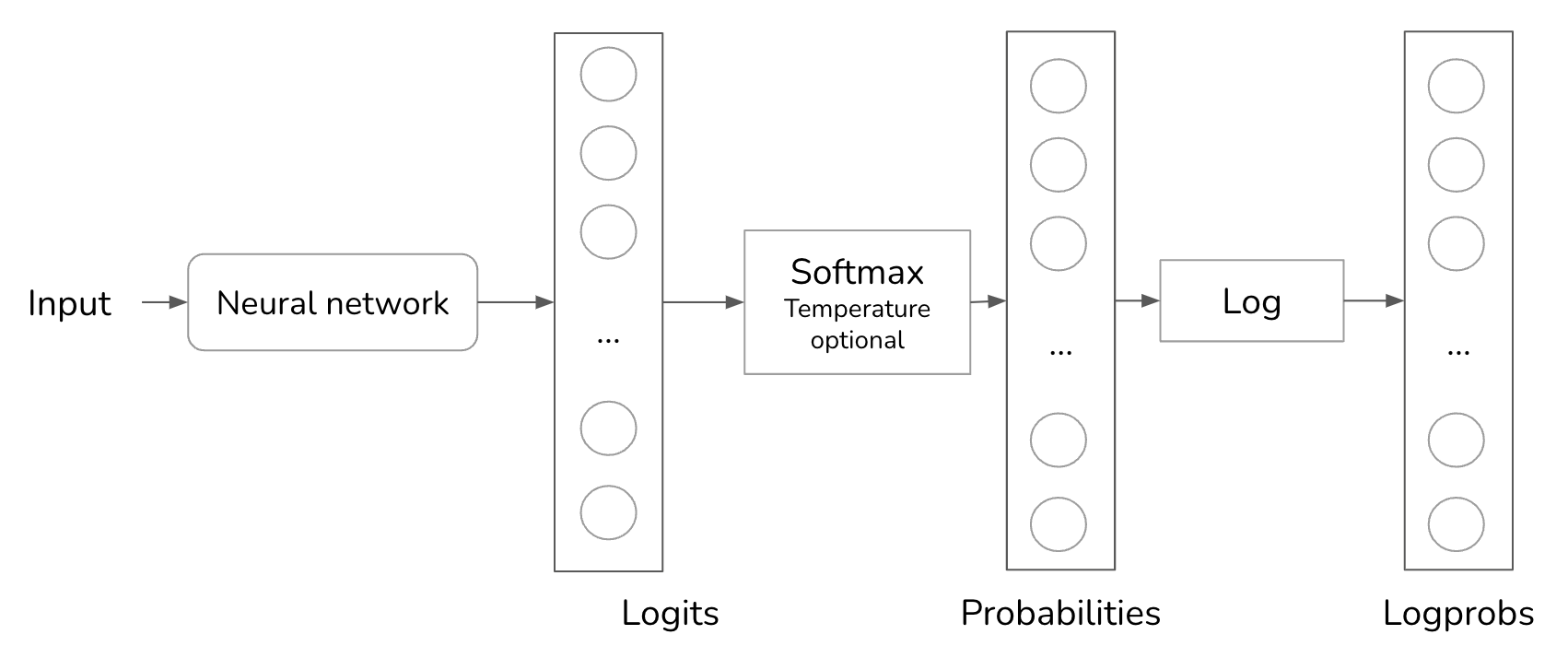
Anthropic found larger language models are well calibrationHow well a model's confidence matches reality — a calibrated model saying "90% sure" is right about 90% of the time.Full definition → on diverse multiple-choice and true/false questions when the questions are presented in the right format.
For open-ended tasks, models can propose an answer and then estimate P(True) that it is correct; this self-evalA repeatable test for AI quality — a set of tasks plus scoring — used the way software teams use test suites, because model output is too variable to judge by eyeballing.Full definition → scaled well and improved further when the model saw many of its own samples before judging one.
Models trained to predict P(IK), the probability they know an answer before proposing one, did well and partially generalized across tasks but struggled with calibration on new tasks; P(IK) rose appropriately when relevant sources or hints were in context windowThe maximum amount of text a model can consider at once — its working memory for the current conversation or task.Full definition →.
Terms in this piece · Glossary
calibration — How well a model's confidence matches reality — a calibrated model saying "90% sure" is right about 90% of the time.
eval — A repeatable test for AI quality — a set of tasks plus scoring — used the way software teams use test suites, because model output is too variable to judge by eyeballing.
context window — The maximum amount of text a model can consider at once — its working memory for the current conversation or task.