OpenAI models cut up to 14% PPA on AMD GPU IP, verified on Jalapeño silicon
- Source
- x.com
- Date

Working with @AMD, our models identified up to 14% PPA improvement on flagship GPU IP in less than five months—building on designs AMD’s engineers had already spent years optimizing. The same approach helped improve Jalapeño, our first custom inference chip, with gains verified on real silicon. New evaluations also show our models getting better at certain chip design tasks. We’re sharing these results and how we’re working with @Synopsys to bring our model capabilities and their trusted EDA design and validation tools to more chip designers.



Context
OpenAI says that, working with AMD, its models found changes worth up to 14% in PPA on AMD's flagship GPU IP in less than five months. PPA stands for power, performance and area: how much electricity a circuit draws, how fast it runs and how much silicon it takes up, three goals that chip designers usually have to trade against one another. GPU IP is the design of the building blocks inside AMD's graphics processors, and OpenAI stresses that AMD's engineers had already spent years optimizing it. The claim is that a model found improvements in work that experts treated as mature. According to AlphaSignal's report on OpenAI's full write-up, the models rewrote circuit blocks, Synopsys tools checked that each candidate still behaved exactly like the original, and only candidates that passed were scored on PPA, which filters out designs that are small or fast but wrong.
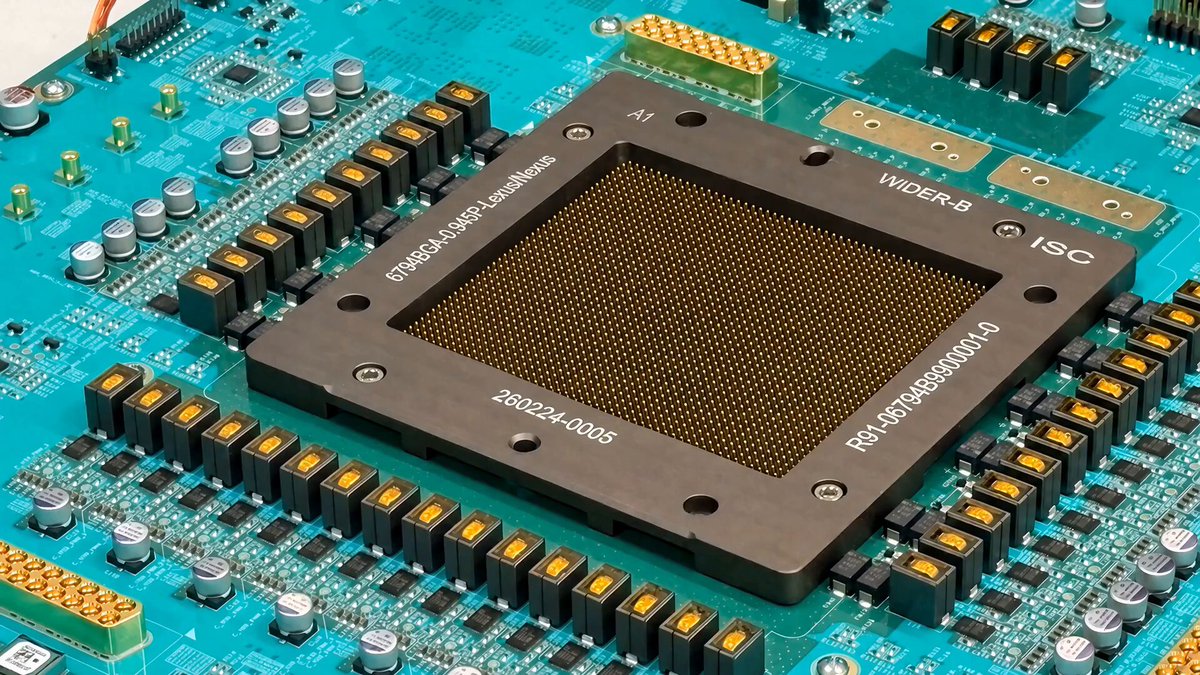
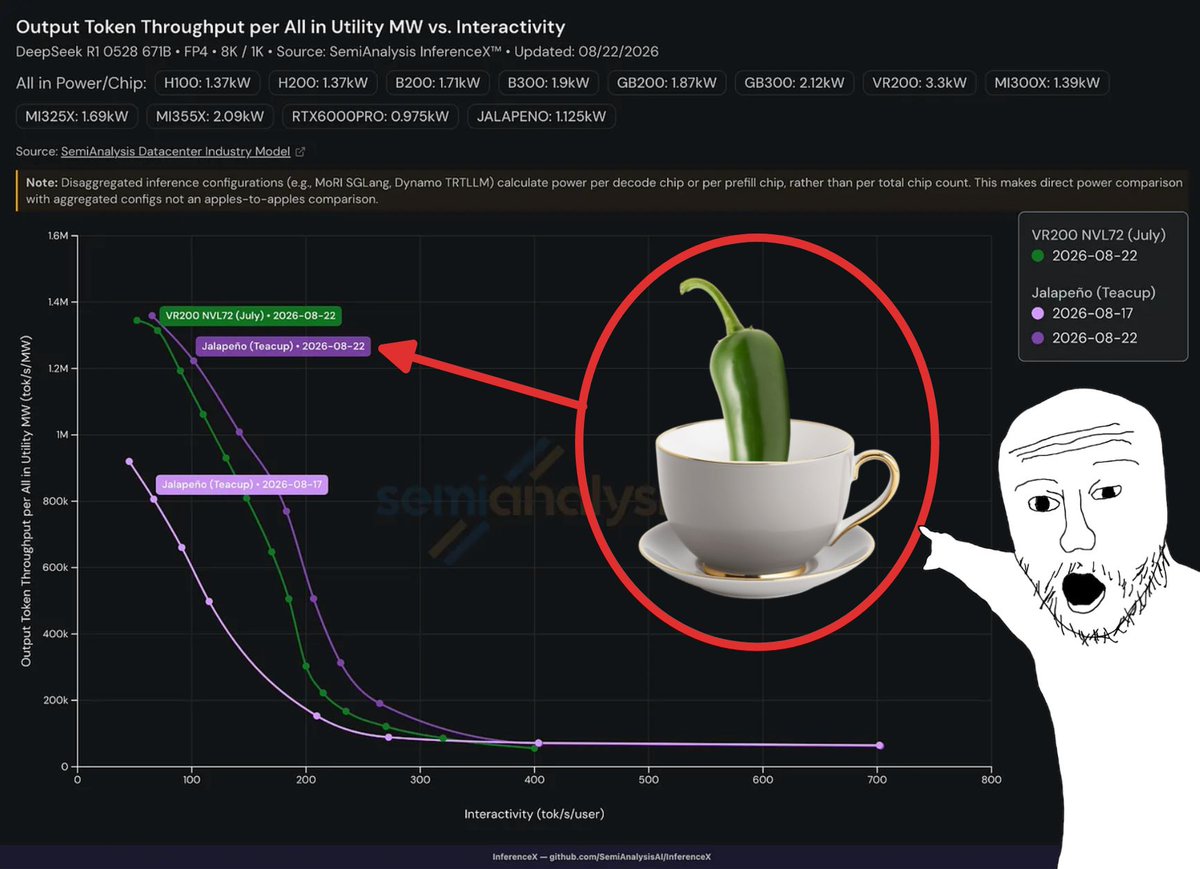
The 14% is a best case. AlphaSignal notes that it is a block-level measure, with no stated equivalent for the performance of a whole GPU, and the figures come from OpenAI rather than an independent audit. The same report says AMD included some of the model-generated changes in a recent design sent for manufacturing, which suggests the company considered them good enough to build. OpenAI says the same approach improved Jalapeño, its first custom chip (background on Jalapeño), with gains verified on real silicon, meaning measured on manufactured chips rather than only in design tools.
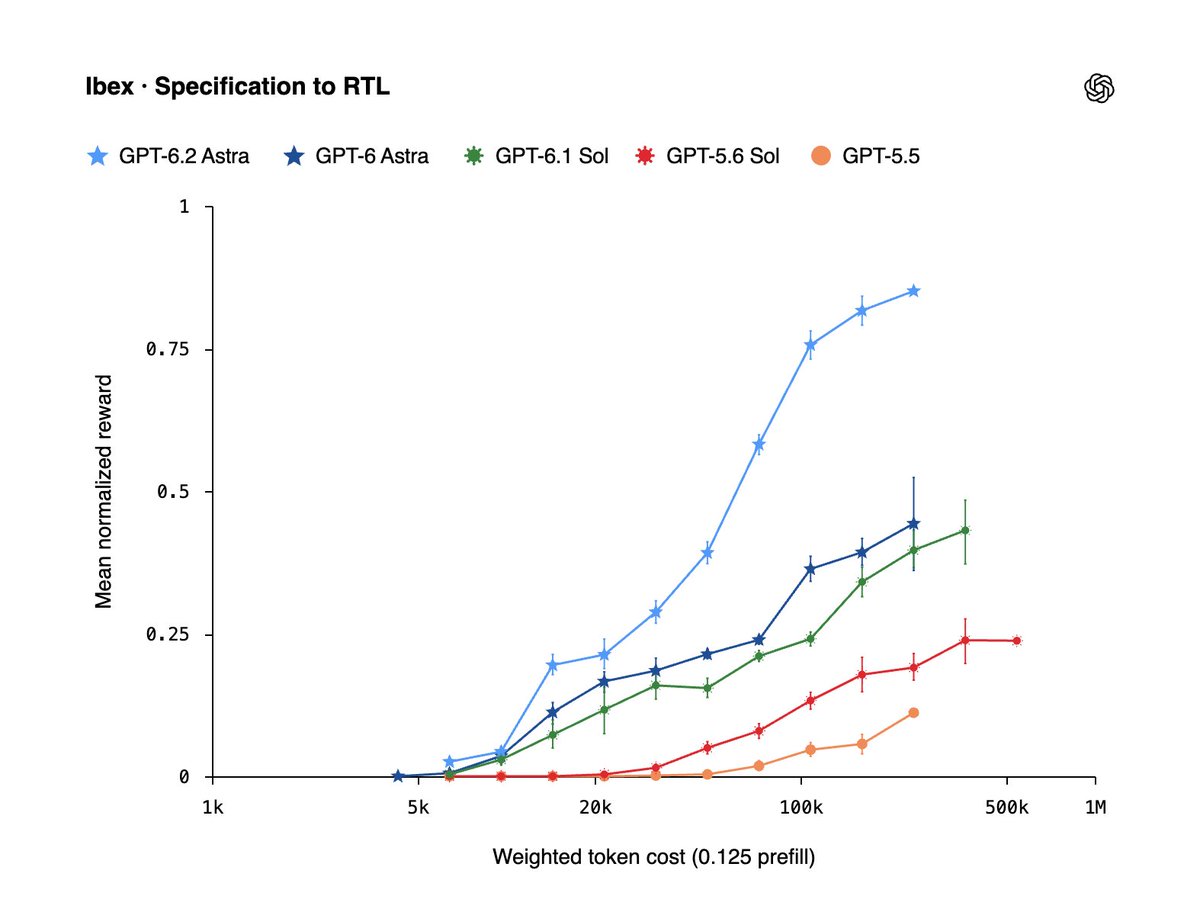
The charts OpenAI attached show how its general models are improving at this kind of work. AlphaSignal describes the tests as built on two small open-source RISC-V processor cores, PicoRV32 and lowRISC's Ibex, with two tasks: improving an existing core's RTL, the code that describes a chip's circuits, and writing a core from written requirements. A design scores zero if it fails a functional check or takes more than 16 times the baseline core's area. On the Ibex and PicoRV32 specification tasks, GPT-6.2 Astra reaches a mean normalized reward of about 0.85, against about 0.45 for GPT-6 Astra, and on the two optimization tasks its best result is close to double GPT-6 Astra's, about 0.75 against about 0.4 on PicoRV32 and about 0.6 against about 0.3 on Ibex (charts for PicoRV32 and Ibex). OpenAI built and scored these tests, the cores are far simpler than a flagship GPU, and AlphaSignal lists gaps from production work such as the absence of post-synthesis timing checks, which confirm a finished circuit meets its speed target. The charts show progress on a contained lab task, not a model that can design a chip on its own.
Synopsys is how OpenAI wants to reach other chip designers. Synopsys makes EDA (electronic design automation) software, the tools engineers use to simulate, verify and lay out chips. In September the two companies announced GPT-Synopsys, which they describe as a model optimized to use Synopsys EDA tools to perform semiconductor design workflows, with engineers delegating objectives from PPA optimization to timing and verification closure. The AMD result is OpenAI's evidence that this kind of delegation can find real gains; what it is worth across a whole chip has not been published.
- inference — Running a trained model to get answers — the phase where AI is actually used, as opposed to trained.





Checking sign-in…
Loading comments…