85% say the bottleneck is reviewing AI code, not writing it. @gitlab asked 1,528
- Source
- x.com
- Date

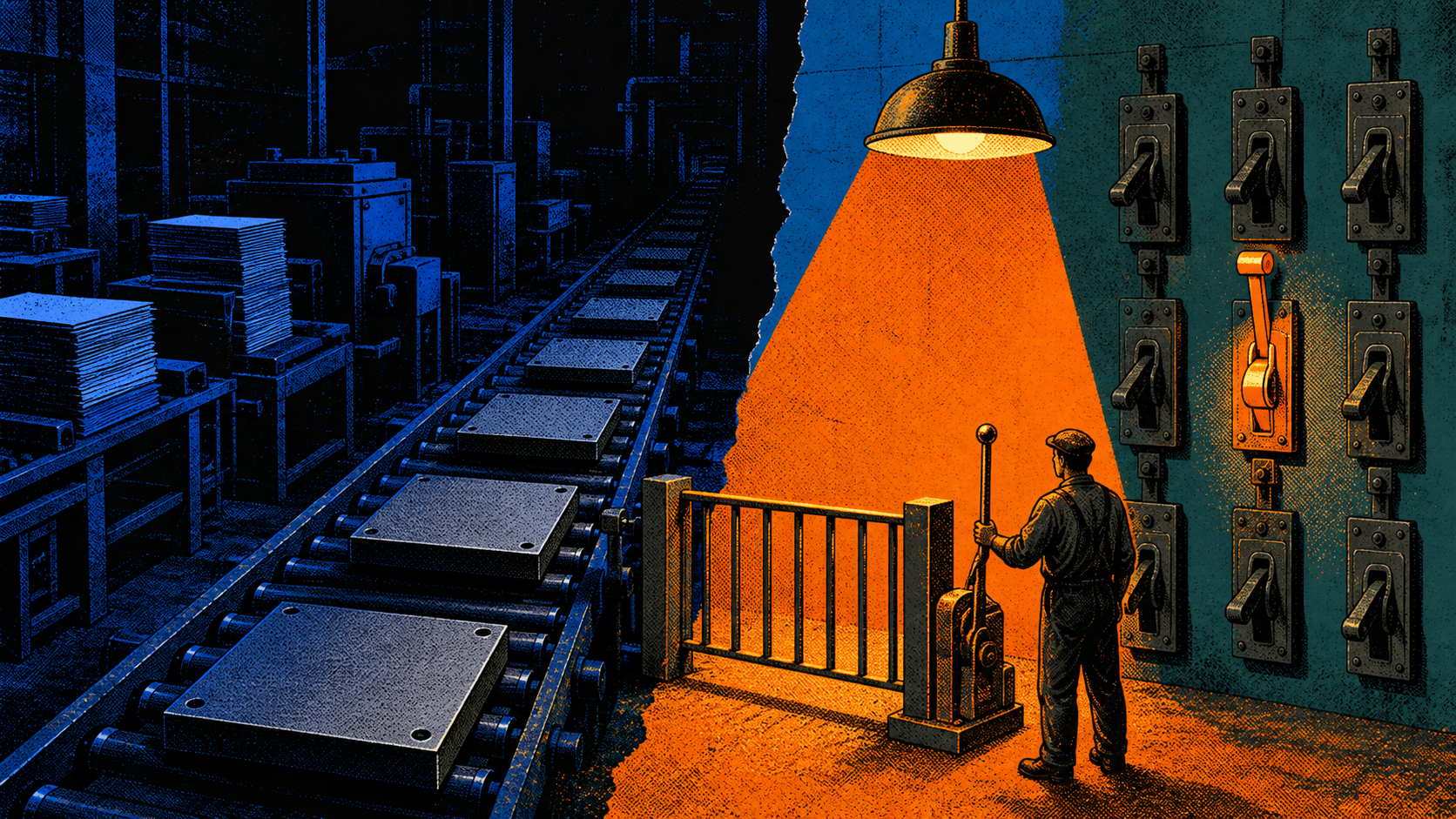
85% say the bottleneck is reviewing AI code, not writing it. @gitlab asked 1,528 developers and buyers. The queue moved from generation to validation. @SonarSource's 1,100+ survey says 42% of committed code is AI-generated. 96% do not fully trust it is functionally correct. Only 48% always check before they commit. We generate faster than anyone can read. Another round of doubt will not shrink that queue. @unclebobmartin ships unread agent code. He can, because the checks fail it without him: > Unit tests he never reads > Acceptance tests he spot-checks > Mutation on the suite > Quality metrics on the output The transferable part is not his full stack. It is how much autonomy a change earns when something cheap can fail it. Reading every line just makes you the new queue. > When can a change ship unread? > What still needs a name on it if it ships wrong? > What fails if nobody reads the diff? Full Breakdown ↓↓

Context
AlphaSignal argues that AI has moved the slow step in software work from writing code to checking it. Its post cites a GitLab survey of 1,528 developers and buyers in which 85% named reviewing AI code as the bottleneck rather than writing it. It also cites a Sonar survey of more than 1,100 people: 42% of committed code is AI-generated, 96% do not fully trust that it is functionally correct, and only 48% always check it before they commit. AlphaSignal relays these figures secondhand. The surveys themselves were not reviewed here, and they record what respondents said rather than measuring review queues.
The proposed answer is to let automated checks, instead of human reading, decide whether a change is acceptable. AlphaSignal points to Uncle Bob Martin, who it says ships code written by agents without reading it, because a set of checks can reject that code without him: unit tests he never reads, acceptance tests he spot-checks, mutation testing on the test suite, and quality metrics on the output. Mutation testing plants small deliberate bugs in the code to see whether the tests catch them, which shows whether the tests themselves can be trusted.
The general rule the post draws is that a change earns autonomy when something cheap can fail it, and that reading every line only makes the reviewer the new queue. It leaves teams with three questions: when a change can ship unread, who is accountable if it ships wrong, and what fails if nobody reads the diff. This is an argument built on one practitioner's setup. The post offers no data on whether code shipped unread under such checks has more or fewer defects, and neither the full breakdown it links to nor its attached image was reviewed.
- AI agent — An AI system that doesn't just answer once but works toward a goal in a loop — taking actions, reading the results, and deciding what to do next.
 articleFull Breakdown: When can a change ship unread? When something cheap and hard to AlphaSignalAI
 videoThe Death of the Code Review: What the Data Actually Says — Laurie Voss, Arize AIAI Engineer
 videoThe Last Human Code Review: Building Trust in AI-Generated Code — Itamar Friedman, QodoAI Engineer
Checking sign-in…
Loading comments…