TypeSafe AI's Jev gives software a way to ask for bounded decisions, such as a selected option, a rubric score or a yes-or-no assessment, with probabilities attached. According to Vercel's AI Gateway announcement, Jev evaluates declared questions in parallel and returns structured answers directly. Applications can use those outputs to route clear cases automatically and send uncertain cases for review. The announcement also recommends checking probabilities against labeled examples from the application's own workflow, since a probability becomes useful for routing only when its meaning is understood in that setting.
Key takeaways · AI-distilled
TypeSafe AI's Jev, now on Vercel's AI Gateway, evaluates multiple declared questions in parallel and returns typed Choice, Score, and Boolean answers with probabilities, instead of generating free text that must be parsed.
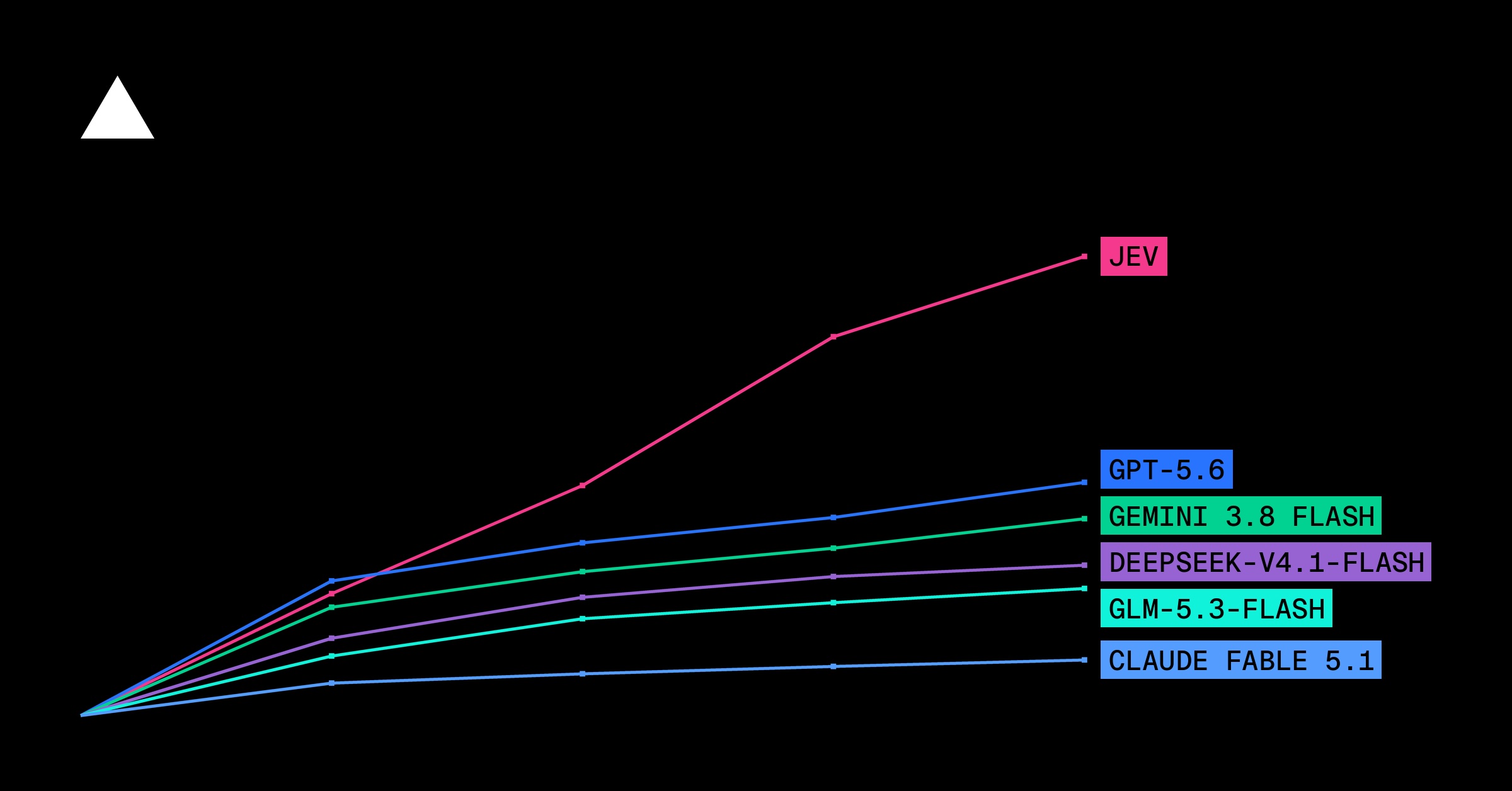
TypeSafe reports Jev was up to 193.6x faster and 444.6x cheaper than LLMs on its own workflow evaluations, letting teams auto-handle clear-cut decisions while routing uncertain cases to human review.
Jev is accessed through AI SDK 7's experimental evaluate API (supported from AI SDK 7.0.105 onward); each call specifies a model, a state object to evaluate, and a set of named questions about that state.
Jev supports Zero Data Retention and No Training options set per request, and its calls still appear in Gateway logs and custom reporting and count toward usage budgets like other Gateway calls.
Terms in this piece · Glossary
AI agent — An AI system that doesn't just answer once but works toward a goal in a loop — taking actions, reading the results, and deciding what to do next.
guardrails — The checks around a model that block bad inputs and outputs — filters, validators, and permission rules the model itself can't override.