Computer Use in Gemini 3.5 Flash
- Source
- deepmind.google
- Author
- Google DeepMind
- Date

Context
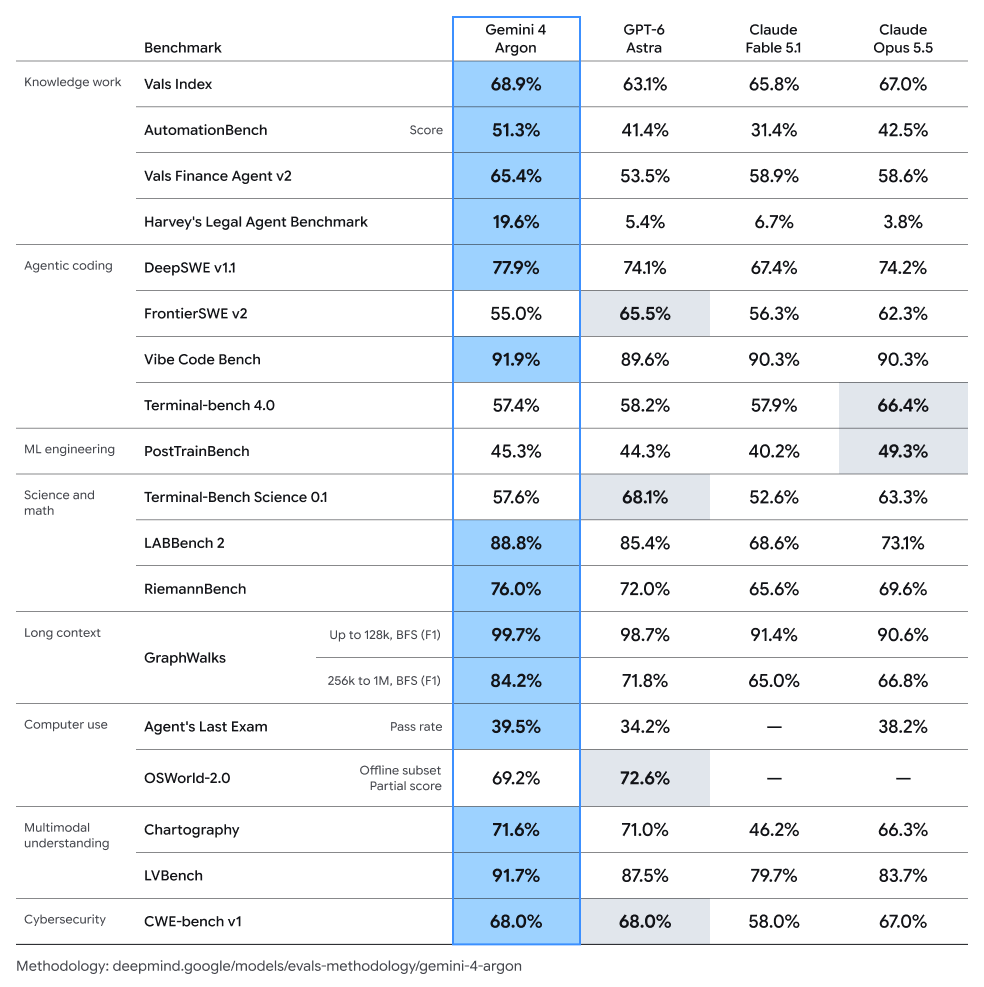
Google DeepMind integrated computer use into Gemini 3.5 Flash, bringing interface interaction into the main Flash model instead of requiring the separate Gemini 2.5 computer-use model. Its June 24 announcement describes agents that interpret screens and act across browser, mobile and desktop environments.
The release also describes optional controls that require confirmation for sensitive actions or stop a task when an indirect is identified. Those controls address the fact that an interface-using can encounter hostile instructions while working. The company recommends combining them with , human verification and access controls, making deployment protections a separate responsibility from the model's ability to operate an interface.
- prompt injection — An attack that hides instructions in content an AI will read — a webpage, email, or document — tricking it into following the attacker instead of the user.
- AI agent — An AI system that doesn't just answer once but works toward a goal in a loop — taking actions, reading the results, and deciding what to do next.
- sandbox — An isolated environment where AI-generated code or agent actions run without being able to touch anything real.
“Computer use is now a built-in tool supported in Gemini 3.5 Flash, delivering our best performance yet for agentic computer use tasks.”
“With built-in computer use capability, developers can now use 3.5 Flash to reliably build custom agents that can see, reason and take action across browser, mobile and desktop environments.”
“This unlocks improved performance for long-horizon and enterprise automation tasks like continuous software testing and knowledge work across professional applications.”
“To mitigate some of the prompt injection risks for agents operating in live environments, we use targeted adversarial training for computer use in Gemini 3.5 Flash.”


Checking sign-in…
Loading comments…