Vibe Coding 101: structured prompting with a coding agent on Replit
- Source
- deeplearning.ai
- Publisher
- DeepLearning.AI
- Author
- Andrew Ng
- Date
Context
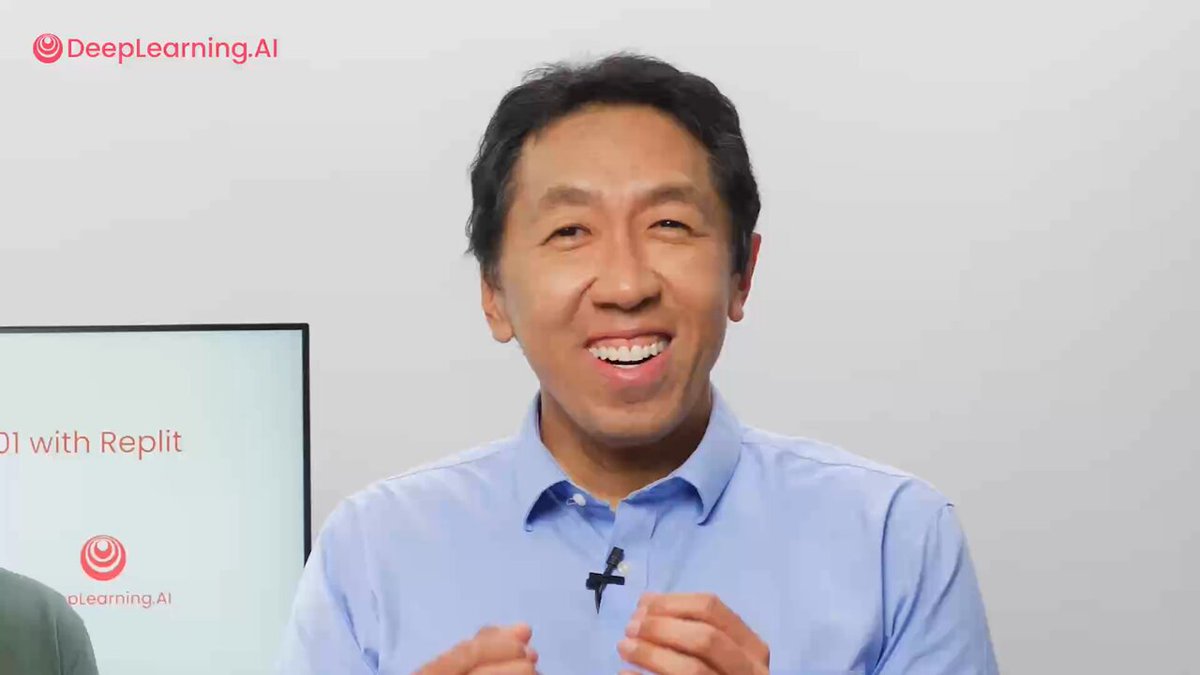
"" means letting a write most of the code while you focus on what the application should do. In the announcement of Vibe Coding 101 with Replit, Andrew Ng says the practice might involve barely looking at the generated code, but argues that doing it well is not a matter of prompting, accepting every suggestion and hoping. Ng writes that asking an to do everything in one shot usually does not work. The process described instead is to split a problem into manageable modules, write a prompt specifying each one, have the model produce the code one module at a time, and test and debug each module before moving on. "A process like this is making me and many other developers faster and more efficient," Ng writes.
The course, taught by Replit President Michele Catasta and Head of Developer Relations Matt Palmer, turns that discipline into habits for working with Replit's agent. According to the course page, they include being precise, giving the agent one task at a time, keeping projects tidy and starting a fresh session for each new feature. Learners write a product requirement document and a wireframe for the agent to build from, then use the agent to build and deploy two apps: a website performance analyzer and a head-to-head voting app that ranks national parks. The course's premise is that planning and small, checked increments improve what the agent produces; the introductory video promises to show "how some planning can improve your results." The course reports no measured comparison against one-shot prompting; the case for the process rests on practitioner experience.
- vibe coding — Building software by describing what you want to an AI in plain language and steering the result, instead of writing every line yourself.
- Agent mode — A mode in which one agent can inspect, edit, run commands, and iterate toward an outcome.
- Large language model — A model trained on large amounts of data to process and generate language.
- agent skill — A reusable instruction file that teaches an agent how to do one job well — the procedure, the tools, and what counts as done.