Double Click Vibe Coding
- Source
- figma.com
- Author
- Figma Blog
- Date
Practitioners from Replit, Cline, and Val Town traced Karpathy's vibe coding framing back through decades of programming history, from punch cards to today's AI-driven development, and landed on one concrete number worth remembering. Replit CEO Amjad Masad said 75% of Replit's customers never write a single line of code themselves, relying entirely on natural-language prompts to describe what they want built. That statistic is a real signal of how far natural-language-driven development has already displaced traditional coding for a mainstream tool's user base, not a hypothetical about where things might be headed. The panel's broader point was that vibe coding isn't a new idea so much as the latest step in a long line of abstractions that let people build software without writing the layer beneath it, from compilers to high-level languages to now natural language itself. For anyone gauging how mainstream AI-native development has become, this is a concrete data point rather than a vibe.
Context
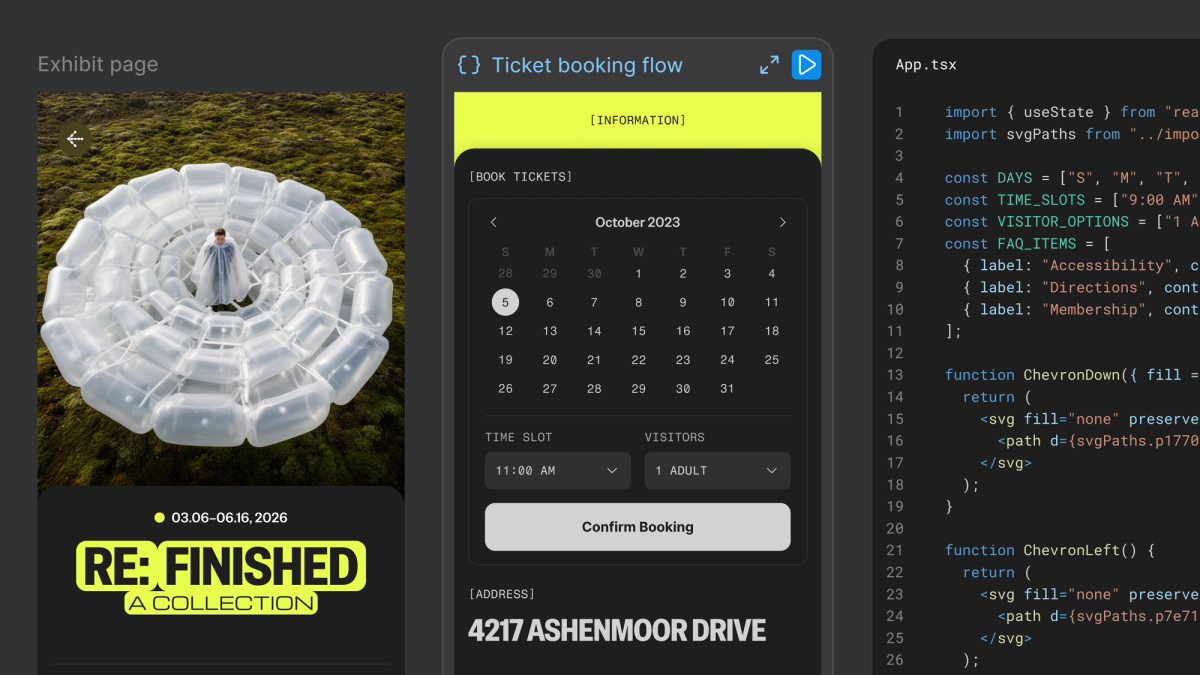
Conversational coding can make an interactive idea easy to try while leaving its implementation difficult to maintain. In Figma's February 2025 community interviews, engineers describe rapidly building side projects and prototypes through prompts, then struggling as complexity grows. One recurring problem is code without a coherent internal data model: further prompts stop producing the intended changes, and manual edits become difficult. These accounts explain why quick progress toward a working screen can coexist with substantial engineering work still ahead. They describe practitioners' experiences, rather than a measured productivity gain.
- vibe coding — Building software by describing what you want to an AI in plain language and steering the result, instead of writing every line yourself.


Checking sign-in…
Loading comments…