GLM-5.3: How Chinese labs keep stride with the frontier
- Source
- interconnects.ai
- Author
- Nathan Lambert
- Date
Context
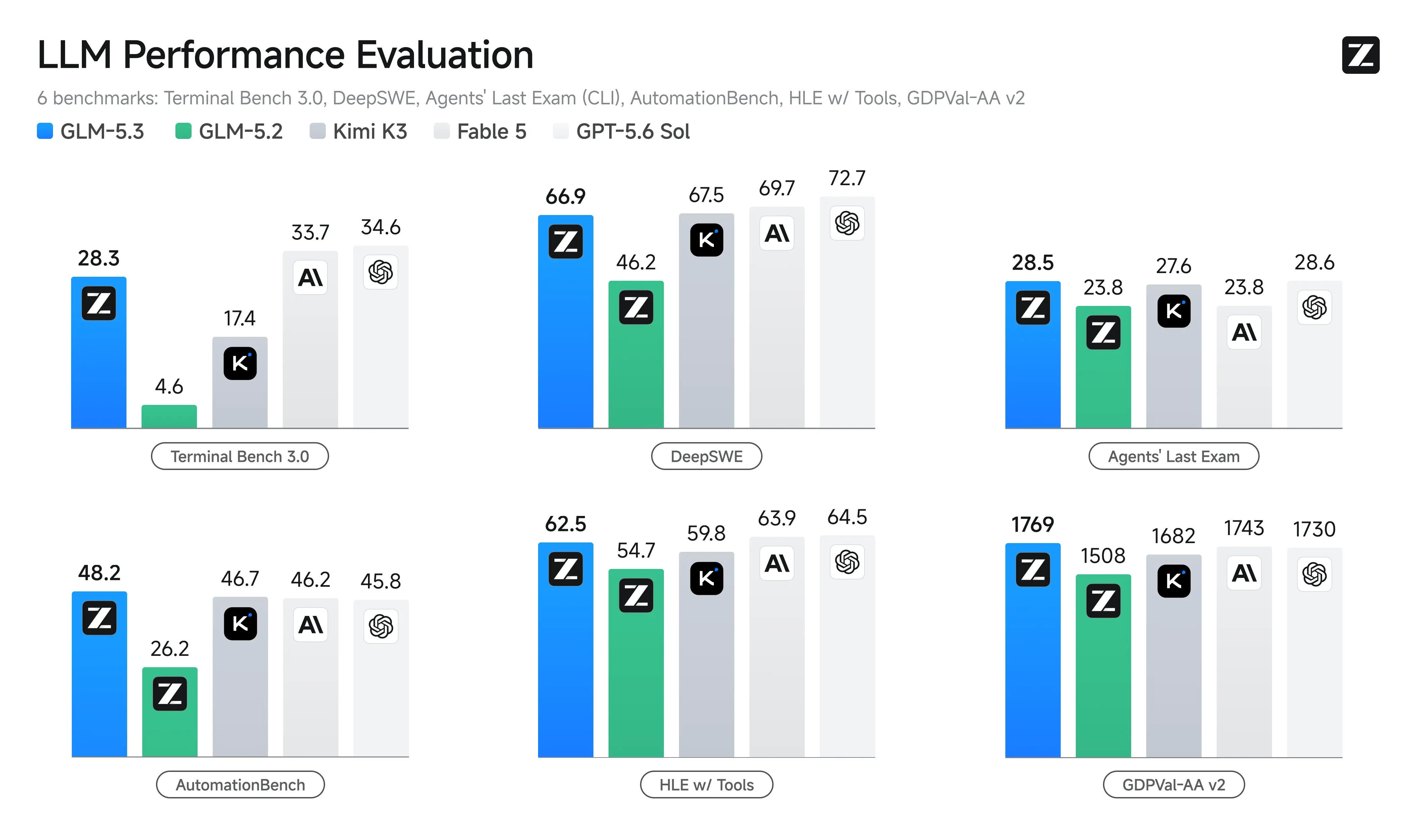
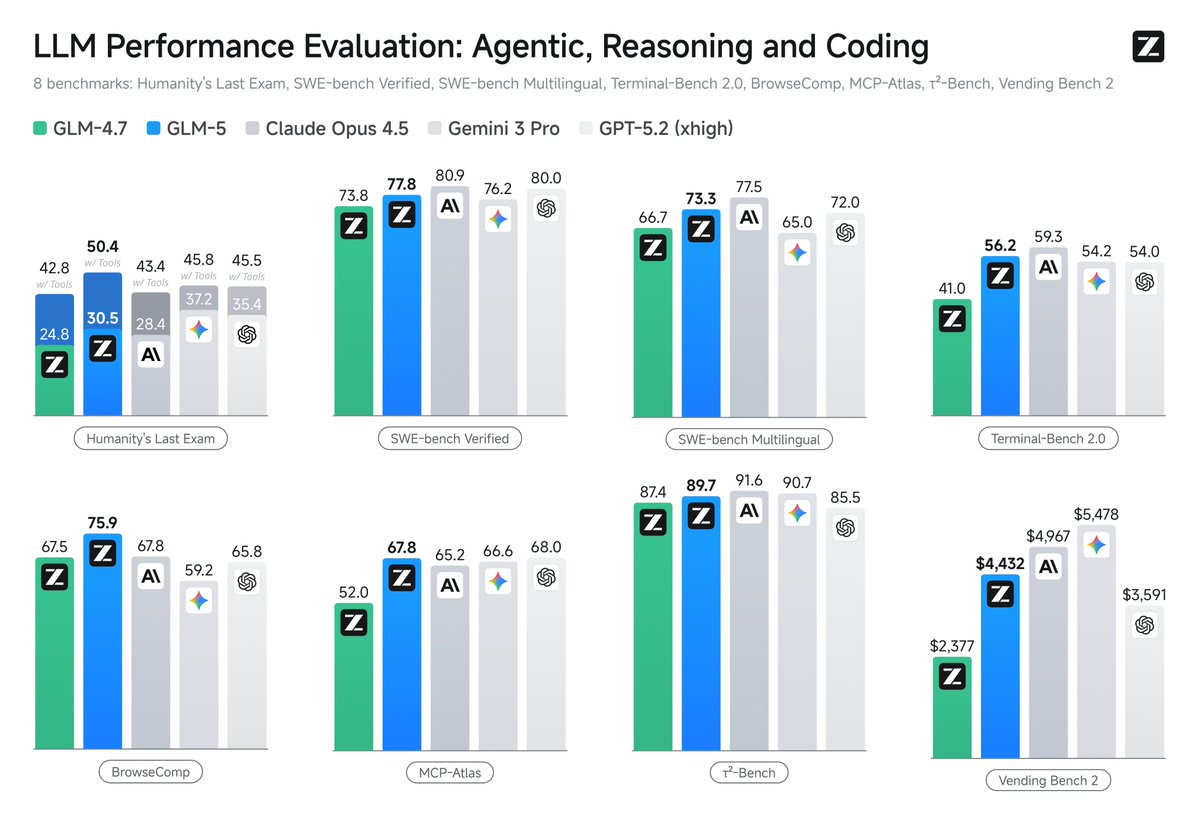
Nathan Lambert's GLM-5.3 analysis argues that public proximity can reflect release strategy as well as training resources. He suggests that Z.ai benefits from shorter release cycles and a narrower focus on valuable tasks, giving it more opportunity to improve those tasks before competing models reach users.
These are hypotheses about why the published models look competitive. The firmer developer claim is that GLM-5.3 continues from GLM-5.2's base model with additional post-training, as its model card states. Lambert's account helps separate an observed release comparison from the still-uncertain explanation for how the labs achieved it.
- benchmark — A standard public test set for comparing AI models — the shared scoreboards behind every "model X beats model Y" claim.
“This puts the model more or less at the frontier of agentic coding benchmarks, with only ~750B parameters – a third of Kimi K3!”
Nathan Lambert
“The time to release for Z.ai is likely days, not months as with OpenAI or Anthropic.”
Nathan Lambert
“It is very, very likely that OpenAI and Anthropic have far better internal models than Z.ai and Moonshot AI.”
Nathan Lambert
“One does not simply “distill” RL environments, infrastructure to run them at scale, or algorithms to mix them together effectively.”
Nathan Lambert
“Many companies’ data acquisition strategy is to buy data on the benchmarks they’re behind on.”
Nathan Lambert



Checking sign-in…
Loading comments…