Claude plugins can now auto-connect at login via trusted issuer MCP
- Source
- x.com
- Date

Users can now auto-connect plugins when they log in to Claude, with MCP servers that accept Claude as a trusted issuer. If you’re building plugins for Claude, add support so users get started faster and stay connected without re-authorizing.

Context
The ClaudeDevs post describes a sign-in shortcut for the services behind Claude plugins: if a plugin's server accepts Claude as a "trusted issuer", a user can be connected to it at login instead of clicking through a separate screen for each service. MCP (Model Context Protocol) servers are how Claude reaches outside tools, and a plugin can bundle one with skills as a single install. The post itself is two sentences addressed to plugin builders and does not link documentation, so the mechanism below comes from Anthropic's connector documentation that uses the same term.
That documentation, Enterprise Managed Auth for connectors, replaces the usual OAuth consent step with a signed identity assertion: a short-lived token that vouches for who the user is. Claude sends it to the service's authorization server, which checks it and returns an access token in one background request, with no browser redirect. The assertion can be signed by the customer's own identity provider or, in the variant this post points to, by Claude itself under an issuer URL belonging to the customer's Claude organization. Because Claude can sign a fresh assertion whenever an access token expires, the user stays connected without re-authorizing, which matches the post's promise.
The work falls on the developer, and the documentation is specific about the risks. The authorization server has to support the JWT bearer grant, keep exactly one trusted issuer per customer workspace, and run a list of checks on every assertion, including issuer, signature, audience, expiry and replay. A Claude-issued assertion only says the person is a current member of the customer's Claude organization and gives their email; it does not say they signed in through company single sign-on or used multi-factor . Anthropic warns that a Claude issuer URL is not a , so a service should sign a user in only when it has verified that person's email address or the address is on an email domain the workspace has verified. When someone leaves the organization, Claude stops issuing assertions, but tokens already issued stay valid until they expire.
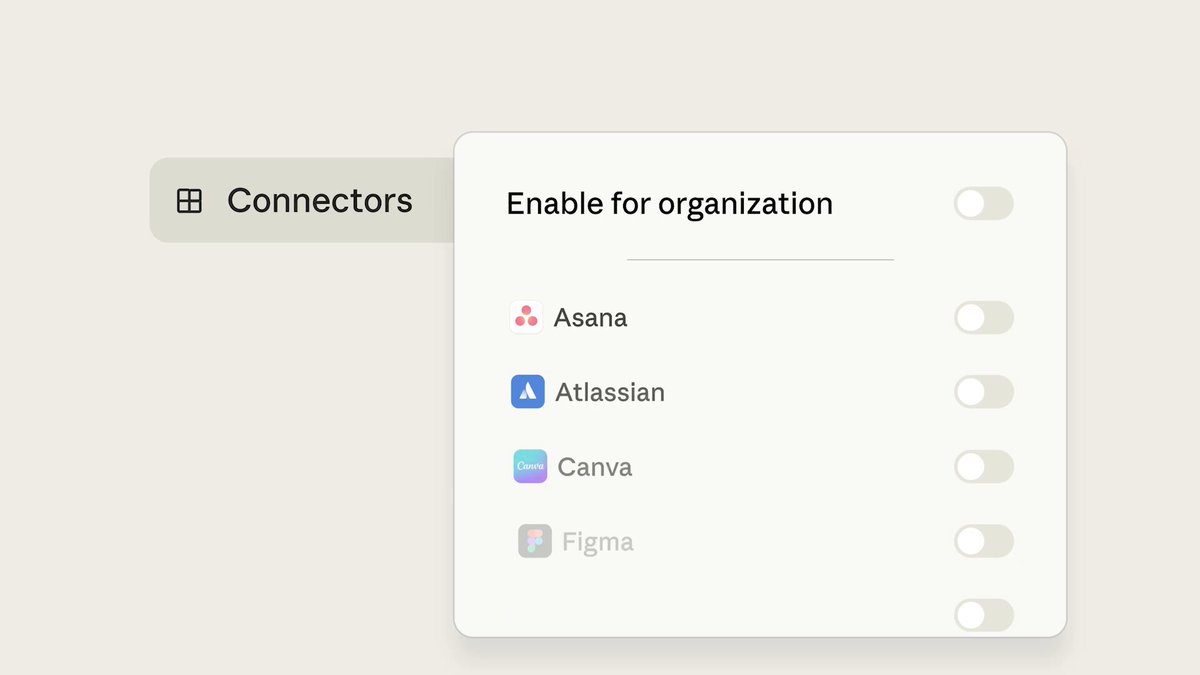
The post reads as if any Claude user benefits, but the documentation narrows that. Enterprise Managed Auth is available on Team and Enterprise plans, an administrator turns it on per connector, Claude-issued assertions are in beta and unavailable to organizations that sign in through Okta, and a directory listing must be approved by Anthropic before administrators can choose the Claude-issued option for it. The video attached to the post could not be read, so any additional detail or demonstration it contains is not reflected here.
- Authorization — The check that an authenticated identity is permitted to perform a particular operation on a particular resource.
- Model Context Protocol (MCP) — A published agreement for an AI application to discover what a separate program offers and ask it to run one of those offerings.
- Authentication — The check that a presented credential matches the identity it claims.
- Secret — A value such as a password, key or token that lets its holder act as someone; it must be kept out of code and shared files.


Checking sign-in…
Loading comments…