The Overhang
- Source
- oneusefulthing.org
- Author
- Ethan Mollick
- Date
Context
Choosing a worthwhile task and judging the result remain central to using AI well, argues Ethan Mollick in his essay The Overhang. He describes a gap between what existing systems can do and what people attempt with them. His proposed response is to bring subject knowledge and personal judgment into more ambitious experiments.
Mollick's account of making a book trailer illustrates that division of work. He says AI handled production while he rejected a joke, judged the tone and requested another version. His familiarity with the book supplied a standard the generated work had to meet. The example supports his argument that directing and selecting outputs are substantive contributions, even when much of the production is automated. His account.
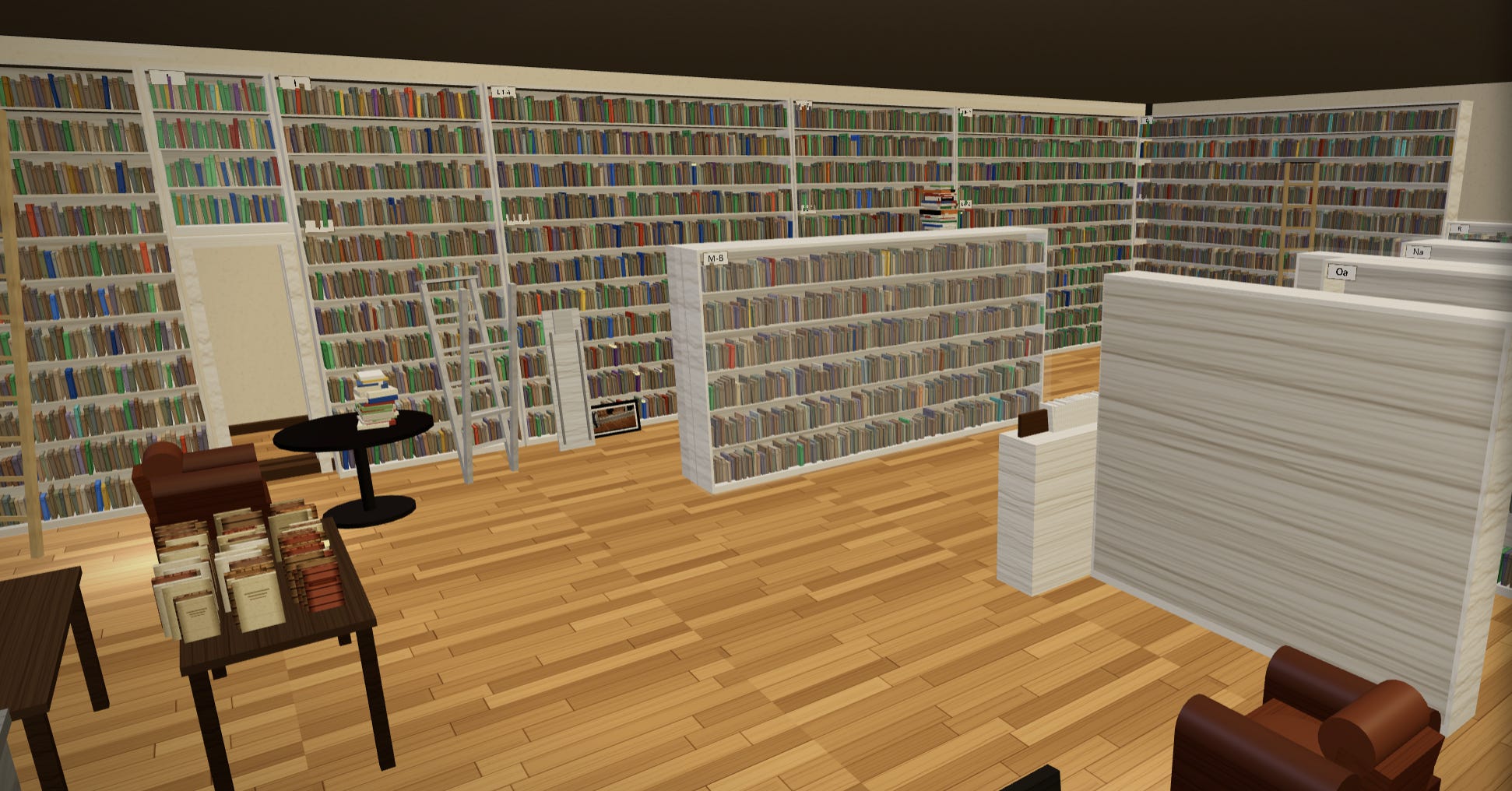
- Mollick had GPT-6 Astra reconstruct Umberto Eco's ~30,000-book Milan library in 3D with no floor plan, using only a dozen videos and photos; it read spines frame by frame and placed about 5,000 identified books among 27,000 shelf slots, each marked certain, guess, or unknown.
- Asked only for a book trailer 'from an AI's perspective,' GPT-6 Astra chose on its own to open Blender, build a 3D animated scene, write a script with jokes, and generate voice, music, and sound effects, delivering a finished short film about 45 minutes later.
- Told to redo it as a 30-second action trailer, the model reused its own Blender animation as a storyboard, then operated a browser-based video generator and edited the generated shots into the final cut, chaining tools it wasn't explicitly told to use.
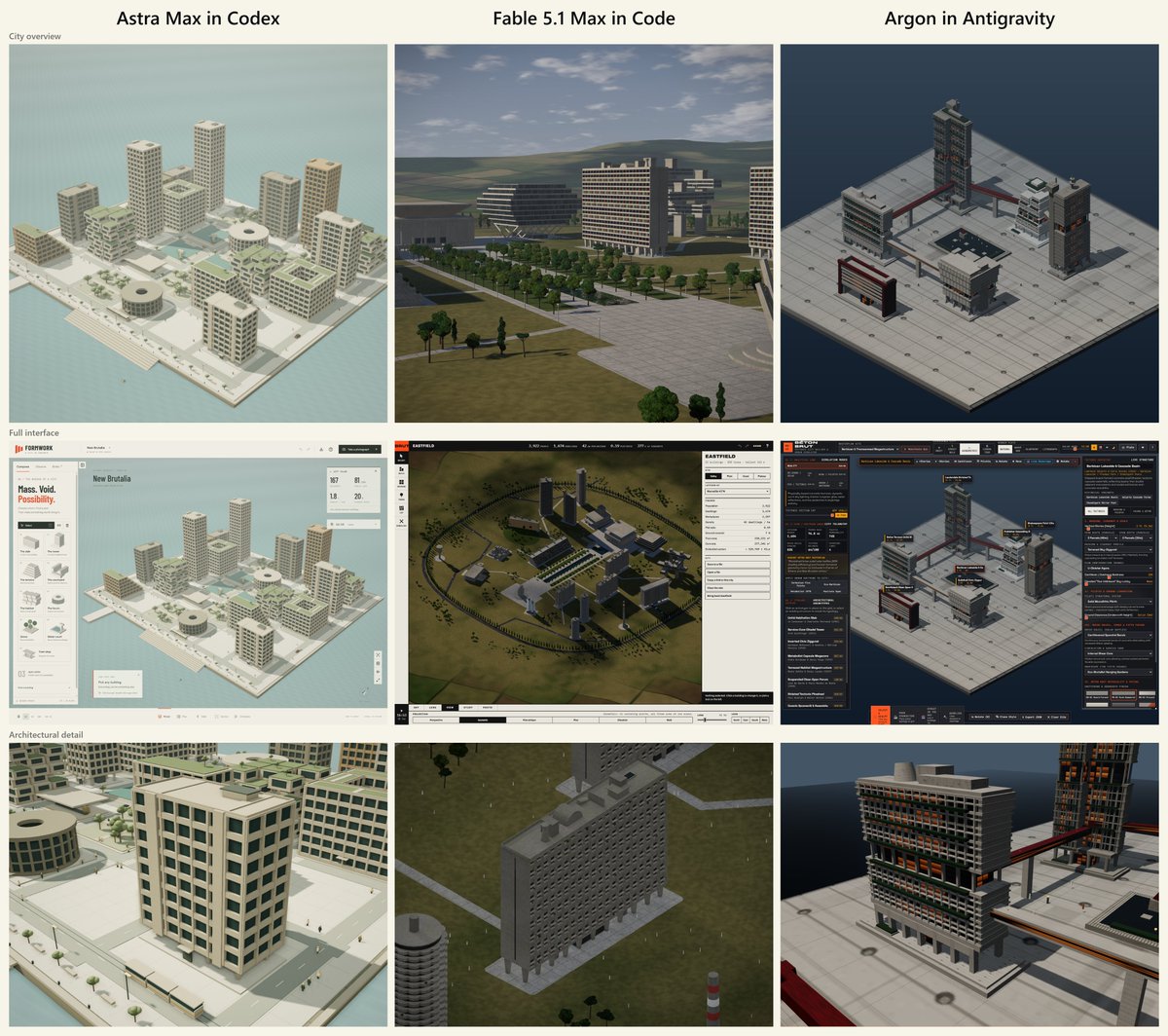
- Mollick frames the real risk as a 'capability overhang': models like GPT-6 Astra and Fable 5.1 already do weeks of guided human work, but most people, including him, don't know what they can do; he didn't know GPT-6 Astra could operate Blender until it did.

Checking sign-in…
Loading comments…