Opus 4.7 leads GDPval-AA and cut hallucination rate from 61% to 36% by abstaining more, while using about 35% fewer output tokens than Opus 4.6, which affects model choice for AI agentAn AI system that doesn't just answer once but works toward a goal in a loop — taking actions, reading the results, and deciding what to do next.Full definition → work.
Key takeaways · AI-distilled
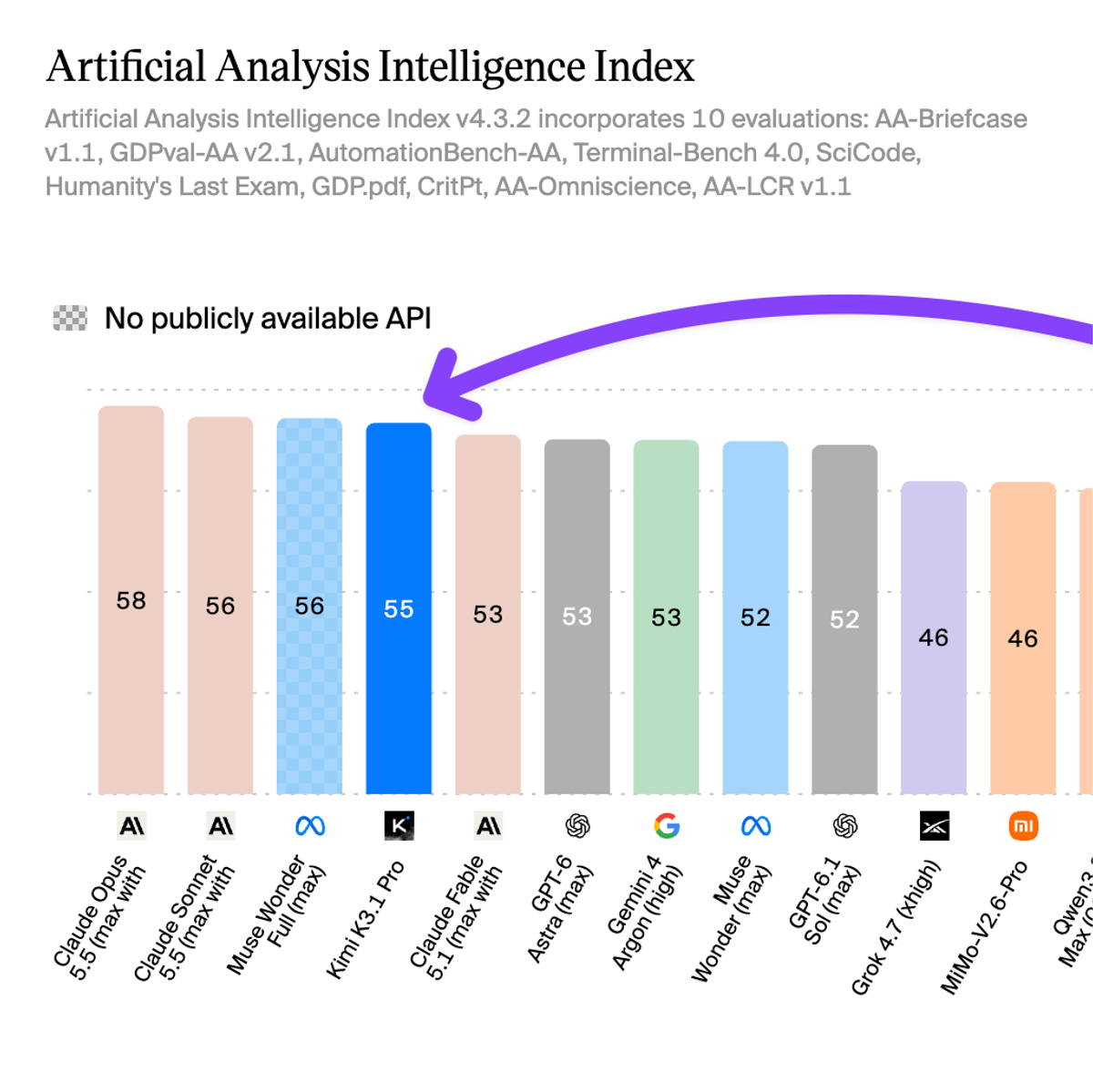
Claude Opus 4.7 scored 57.3 on the Artificial Analysis Intelligence Index, but with a ±1 point confidence interval Artificial Analysis calls it a tie with Gemini 3.1 Pro (57.2) and GPT-5.4 (56.8), each leading different evaluation areas.
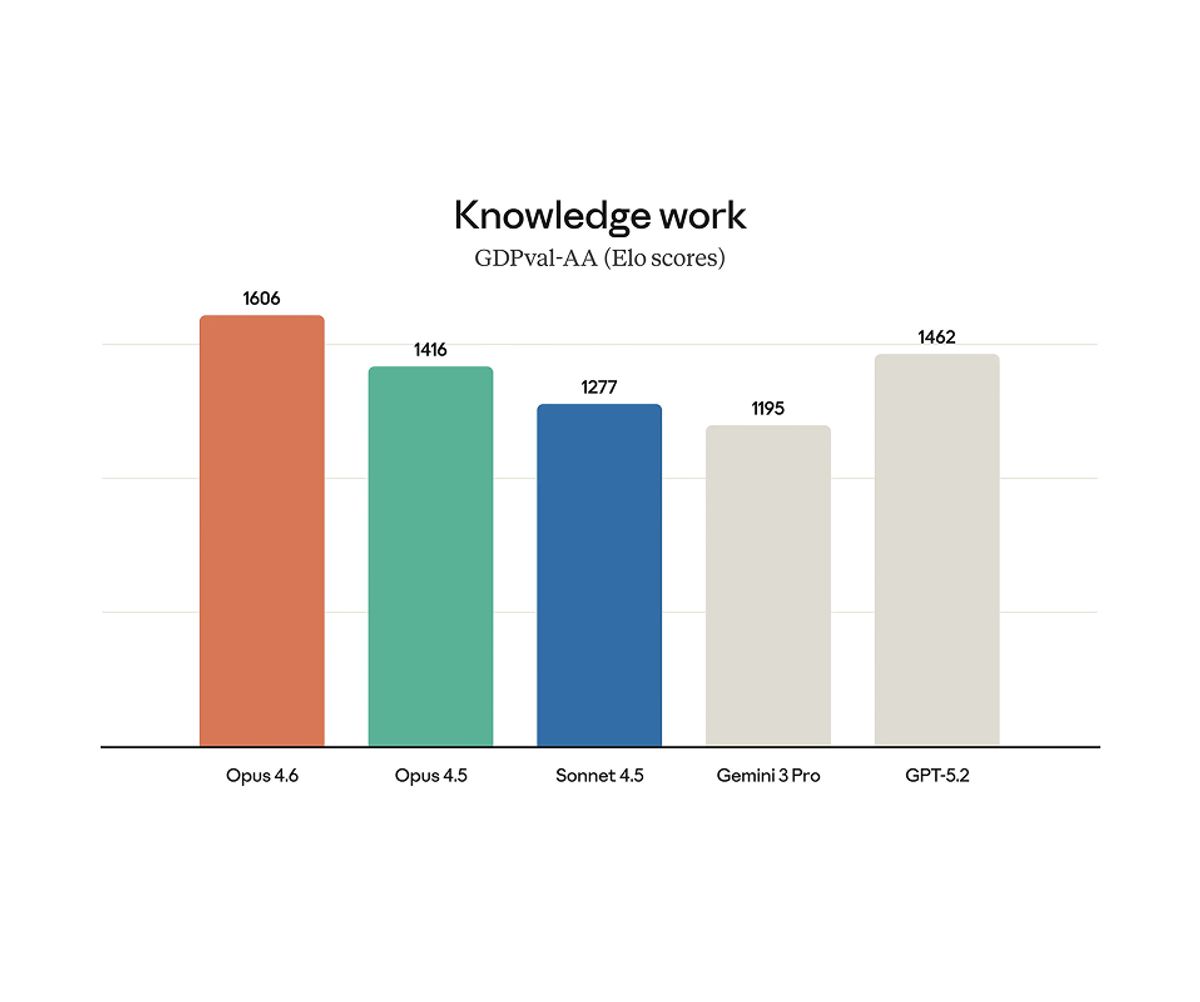
It leads GDPval-AA at 1,753 Elo, about 79 points ahead of Claude Sonnet 4.6 and GPT-5.4. Its hallucinationWhen a model states something false with full confidence — inventing facts, citations, or APIs that don't exist.Full definition → rate fell from 61% to 36% with accuracy unchanged, because it attempted fewer questions (70% vs 82%).
It used about 35% fewer output tokenThe chunk of text a model reads and writes in — roughly three-quarters of a word — and the unit AI usage is billed in.Full definition → than Opus 4.6 (102M vs 157M), cutting the cost to run the index about 11% to roughly $4,406 even after its new tokenizer, at unchanged $5/$25 per 1M token pricing.
The release adds an xhigh effort level between high and max, task budgets in public beta (an advisory token countdown across the whole agentic loopThe cycle an agent runs in: decide, call a tool, read the result, decide again — repeating until the goal is met or a stop condition fires.Full definition →), and removes extended thinking, leaving adaptive reasoning as the only mode.
Terms in this piece · Glossary
hallucination — When a model states something false with full confidence — inventing facts, citations, or APIs that don't exist.
token — The chunk of text a model reads and writes in — roughly three-quarters of a word — and the unit AI usage is billed in.
AI agent — An AI system that doesn't just answer once but works toward a goal in a loop — taking actions, reading the results, and deciding what to do next.
agentic loop — The cycle an agent runs in: decide, call a tool, read the result, decide again — repeating until the goal is met or a stop condition fires.