Puts numbers on China's compute gap: Horinger has up to 286 MW of IT power and about 7% of Colossus 2's AI compute, with 70% more by early 2028. Helps you reason about future capability and availability of Chinese models.
Key takeaways · AI-distilled
Epoch AI estimated Huawei's Horinger campus from satellite views of its cooling gear: four dense buildings with about 286 MW of IT power, near independent estimates from substations (304 MW) and backup generators (230 MW). Three look live; the fourth is expected by December.
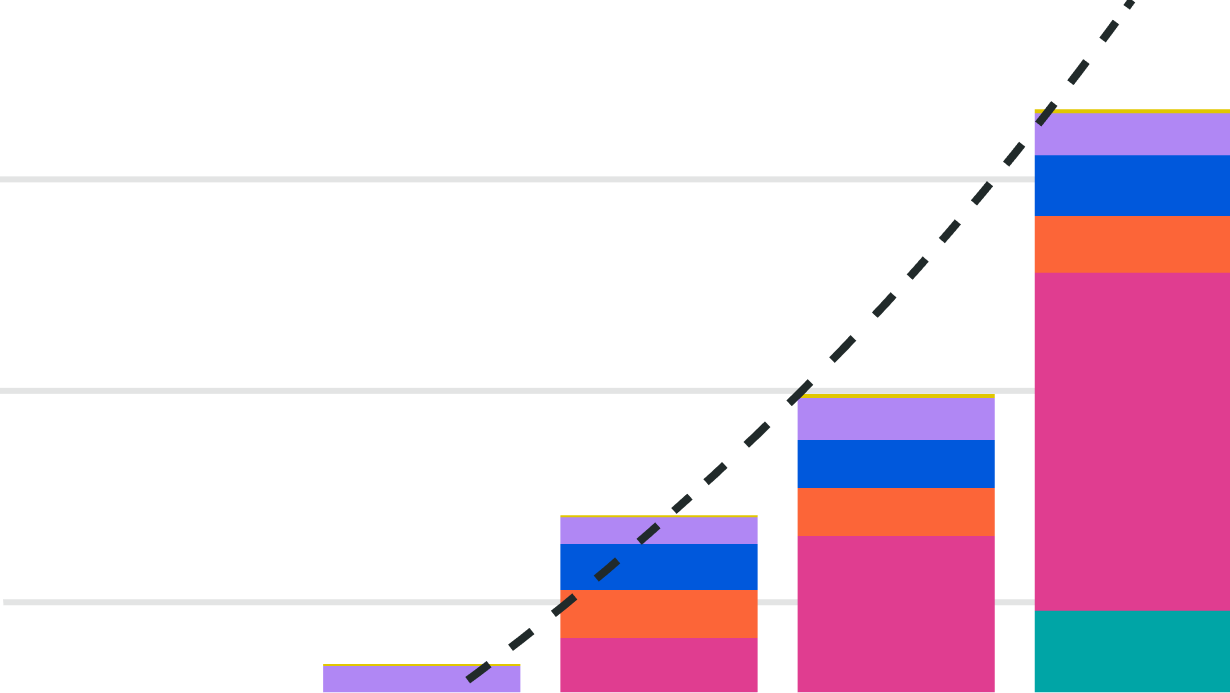
Epoch puts Horinger at about 105,000 Ascend 910C and 8,000 910B chips, or 81,000 H100-equivalents (90% CI 36,000 to 141,000). That is about 7% of SpaceX's Colossus 2, which has roughly 14 times the compute, yet Horinger is probably among China's largest AI data centers.
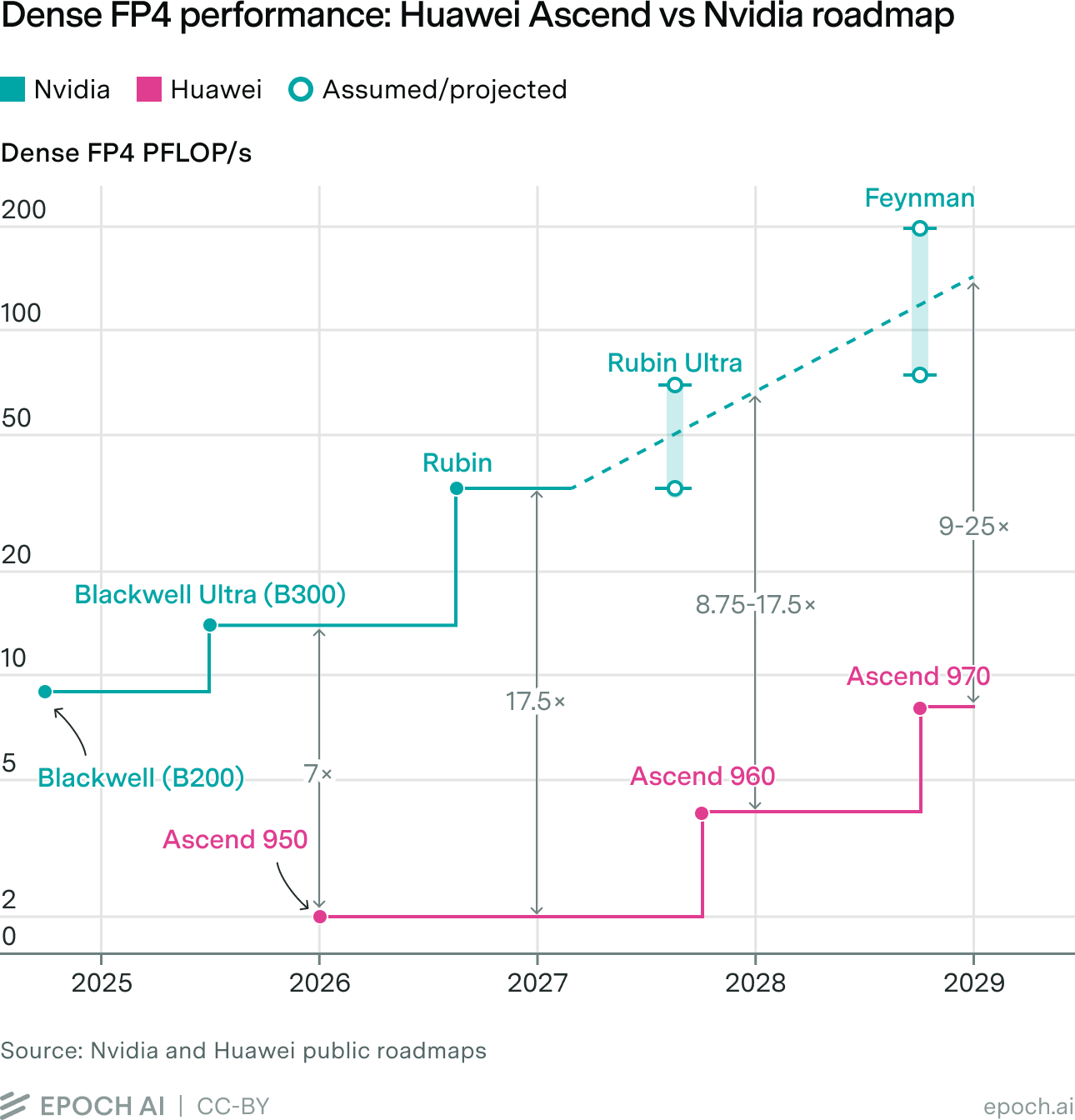
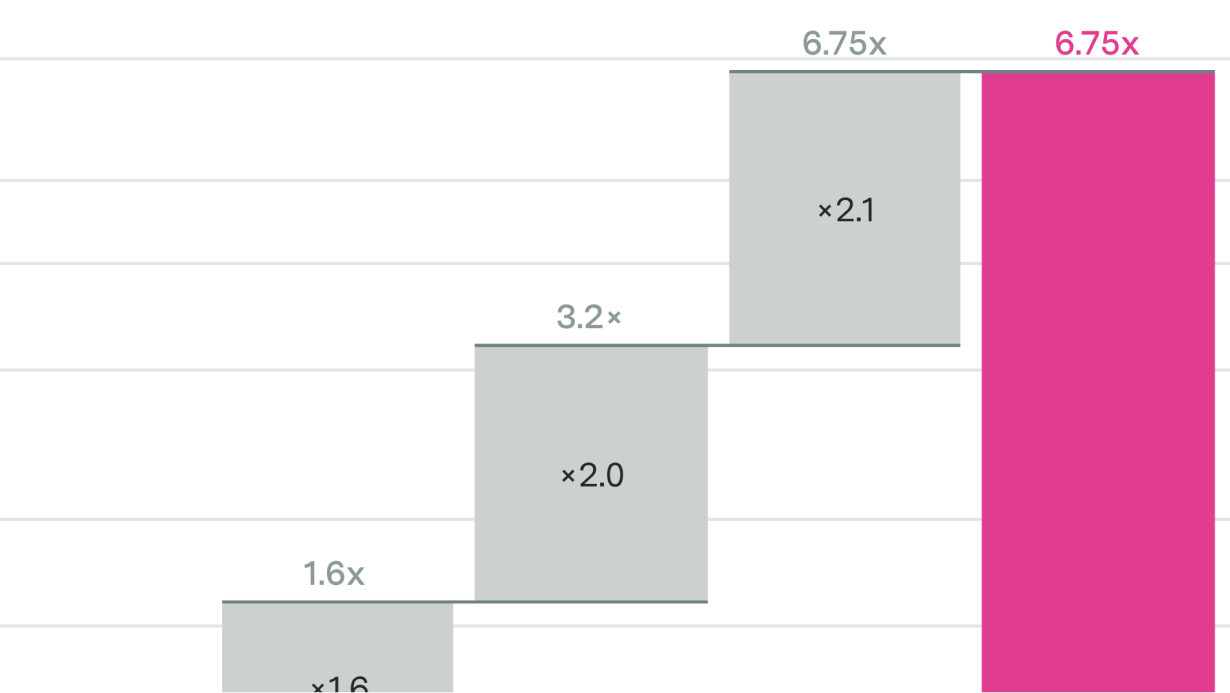
The gap is efficiency, not energy: Nvidia's B200 and B300 deliver about 2.5 times the 8-bit compute of an Ascend 910C and are about 2.5 times more energy-efficient, so a given amount of Chinese power capacity supports only about 40% of the compute of leading US facilities.
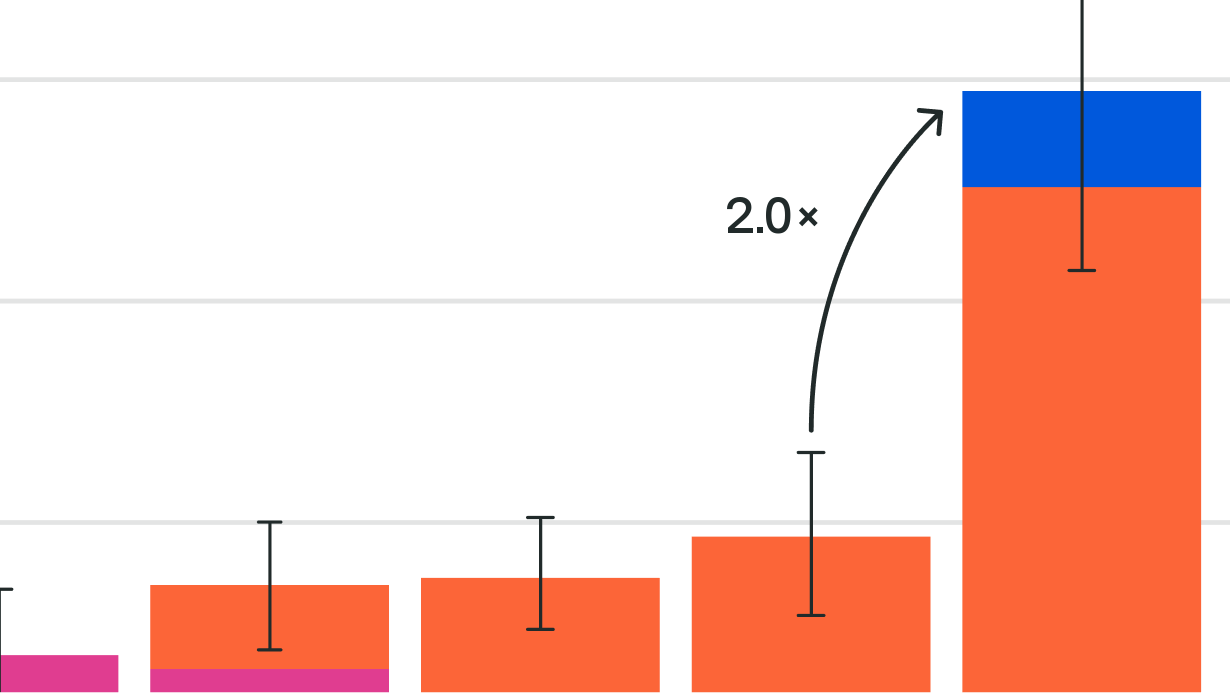
A new building due around February 2028 could lift Horinger's compute over 70% to about 141,000 H100e, from added power rather than better chips. With Colossus 2 expected to reach at least 1.8 million H100e by 2028, Horinger's share stays about the same or shrinks.
Epoch's scale check: 10% of Horinger's compute, about 8,100 H100e, could train a DeepSeek-V4-Pro scale model in a month. Pooling all of it for one run, an optimistic case, would take about a year for a GPT-6 Astra scale model at Epoch's median 1e27 FLOP estimate.