Lays out the compute, power and investment that scaling to 2030 would demand, giving engineers a groundingTying a model's answers to checkable sources — retrieved documents, live data, tool results — instead of letting it answer from memory alone.Full definition → basis for planning around future model capability and cost.
Key takeaways · AI-distilled
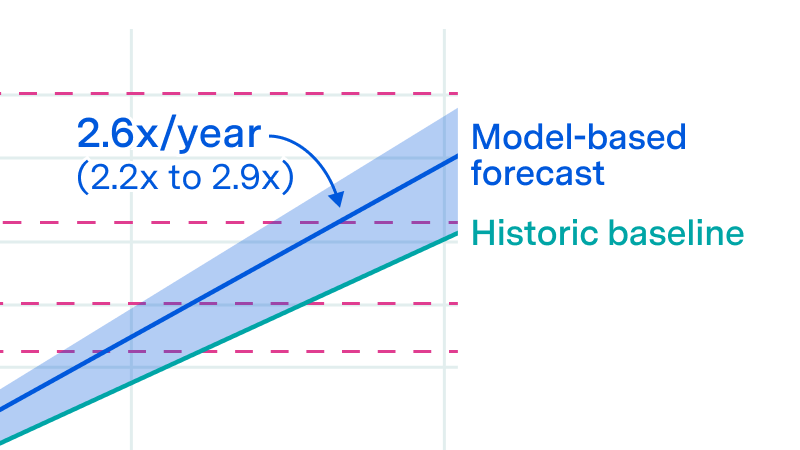
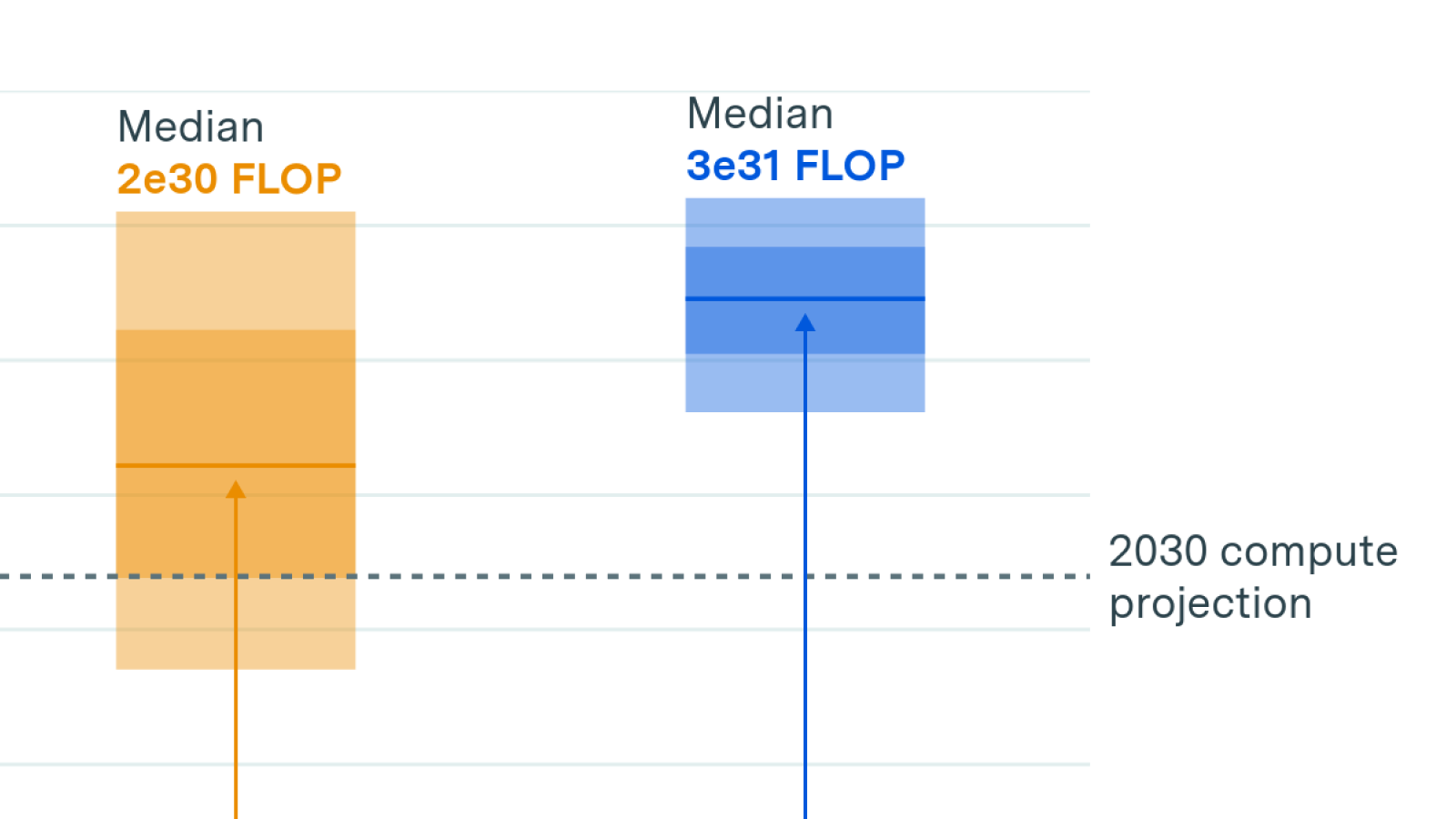
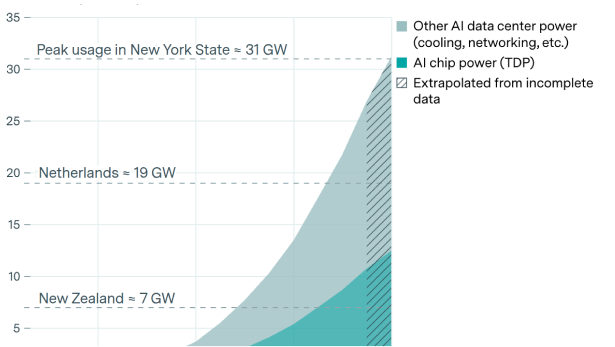
Epoch AI projects that on current trends, frontier training clusters will cost over $100B by 2030 and support runs of about 10^29 FLOP, thousands of times GPT-4's training compute, drawing gigawatts of electrical power.
The report argues revenue can fund that scale-up: if AI lab revenues keep growing at their current rate, they would match the $100B+ investments Epoch extrapolates for frontier training in 2030.
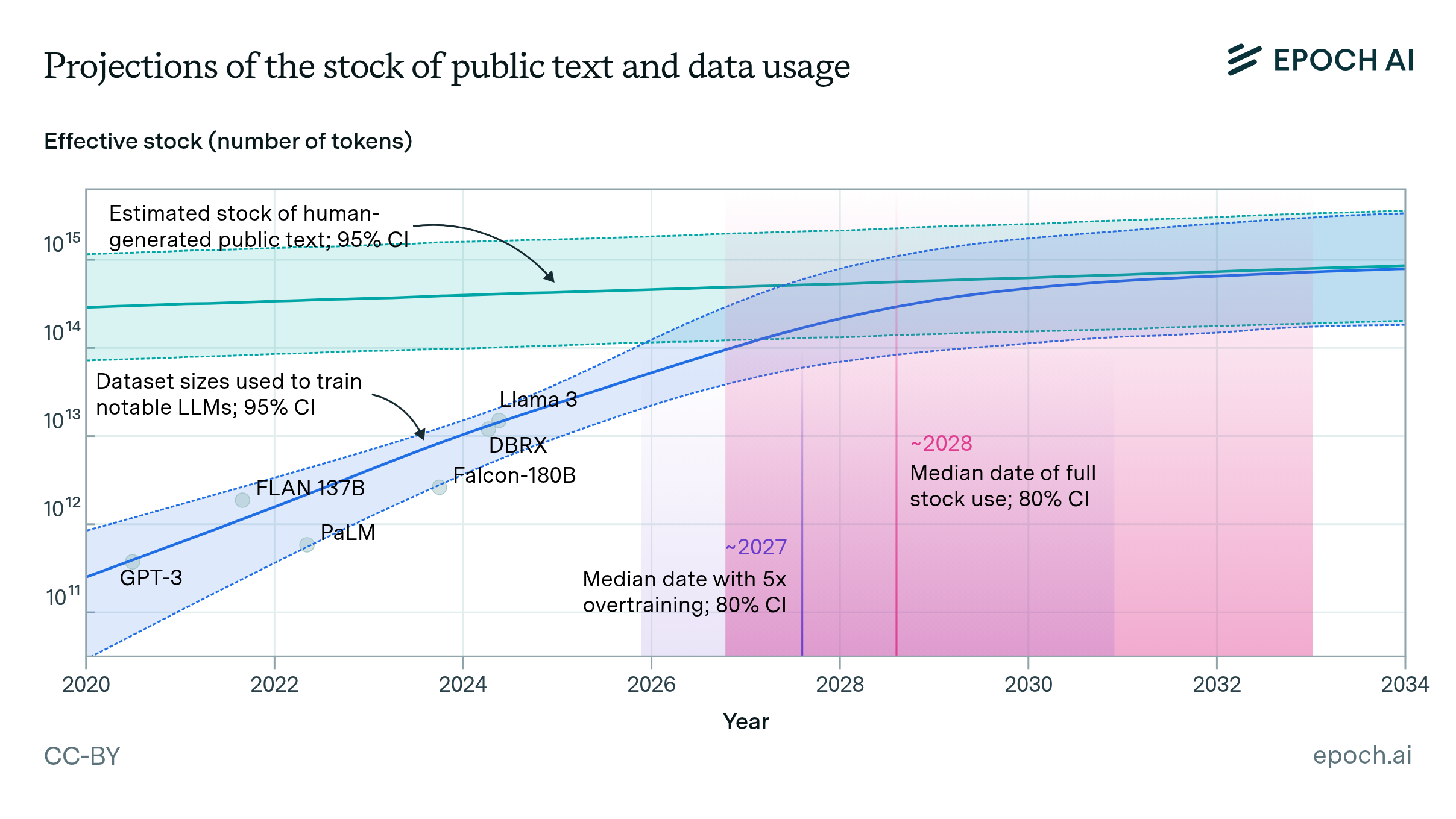
Epoch weighs six slowdown arguments, including data exhaustion, power limits, cost and a shift to inferenceRunning a trained model to get answers — the phase where AI is actually used, as opposed to trained.Full definition →, and still treats trend extrapolation as the strong baseline. It judges power unlikely to bottleneck scaling before 2028 and public text sufficient to at least 2027.
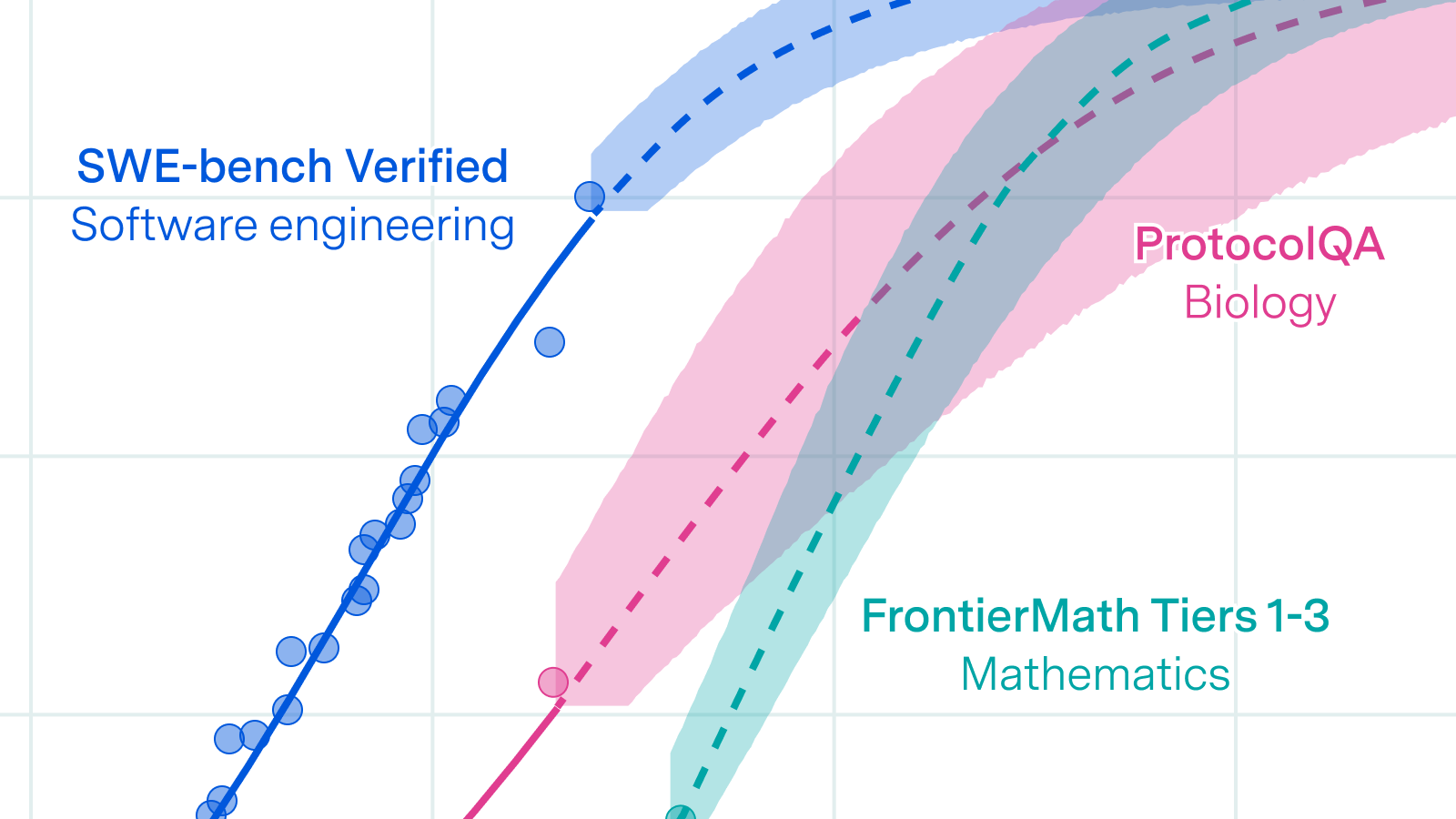
Using software engineering as its model, Epoch expects AI to eventually lift productivity within scientific tasks by 10-20%. It notes six of seven studies it reviewed found 20-70% speedups, while the most methodologically thorough found a 20% slowdown.
Epoch expects deployment to lag capability: few if any drugs approved by 2030 will have benefited from today's AI tools, since pharma depends on wet labs and clinical trials, while software engineering will have changed dramatically by then.
Terms in this piece · Glossary
grounding — Tying a model's answers to checkable sources — retrieved documents, live data, tool results — instead of letting it answer from memory alone.
inference — Running a trained model to get answers — the phase where AI is actually used, as opposed to trained.