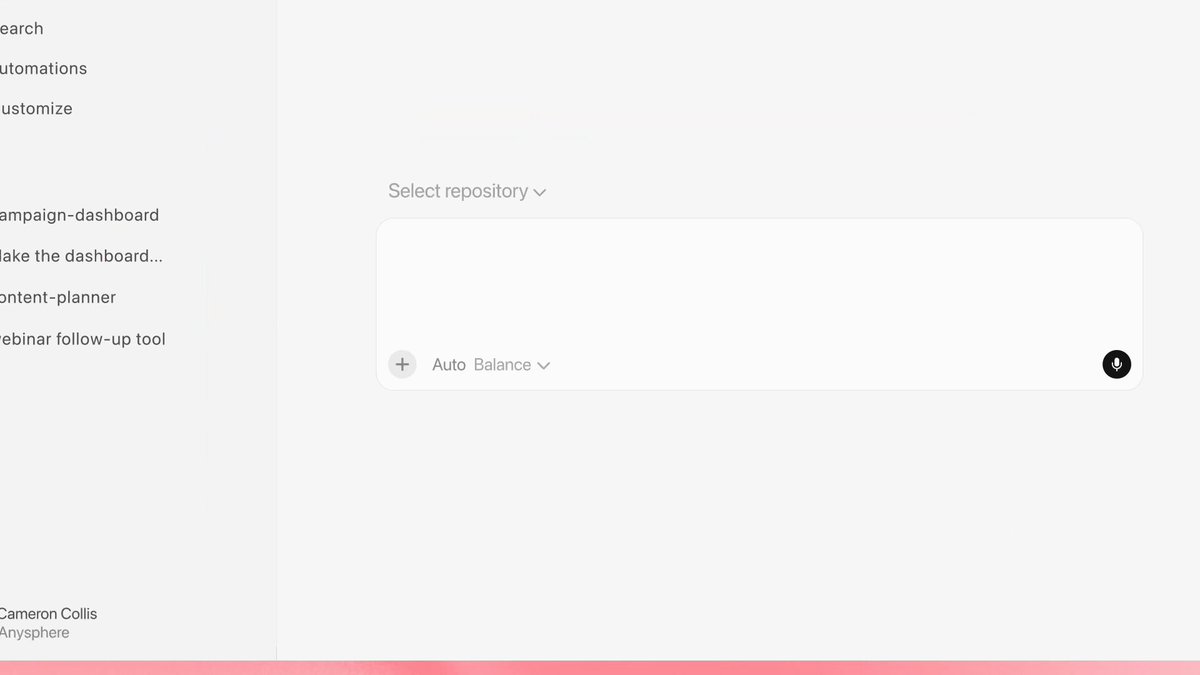
We're rolling out the beta starting today.
- Source
- cursor.com
- Publisher
- Cursor
- Author
- cursor_ai
- Date
Context
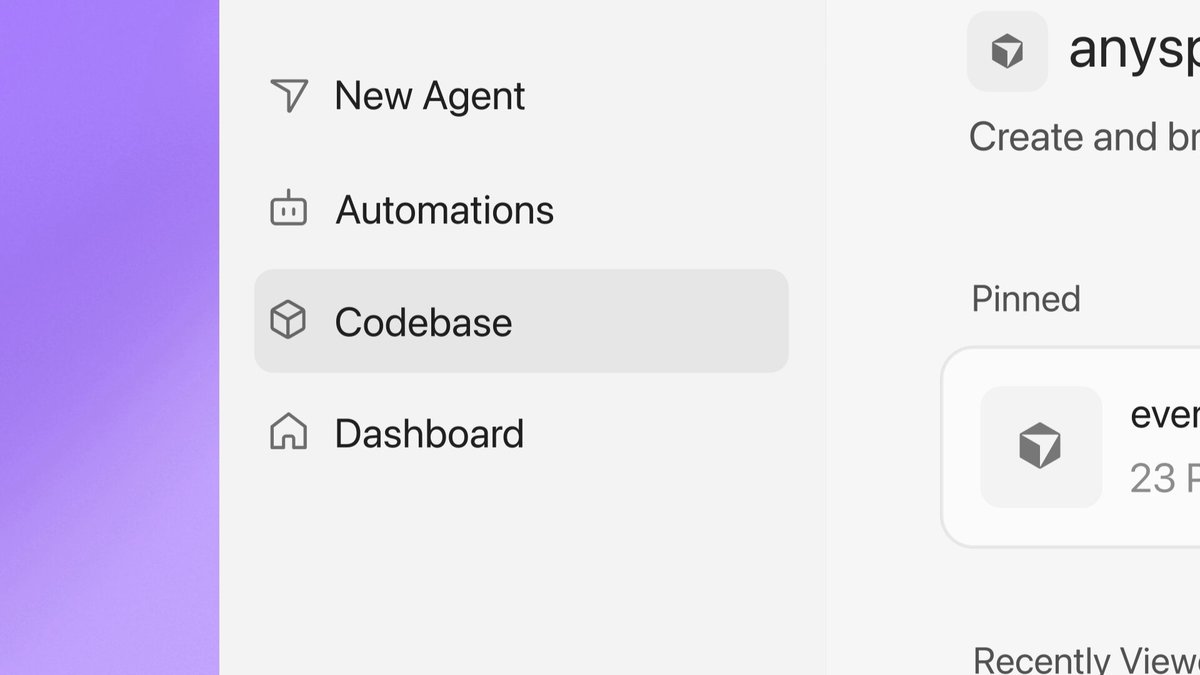
Cursor now hosts code repositories through a service called Origin, and the first choice it gives a team is which copy of the code counts as the real one (Cursor changelog). A repository created on Origin lives there: pushes land on Origin, and GitHub is not in the . A GitHub repository connected to Origin works the other way round. GitHub stays the source of truth and pushes keep going to GitHub, while Origin keeps a copy, updated in real time, that people can browse, search and pull from.
That second mode lets a team try Origin without moving its code. Pull requests on synced repositories sync in both directions: a comment made in Cursor posts to GitHub, and replies on GitHub appear in Cursor within seconds, so a review assigned on GitHub can be done and merged from Cursor. The reason to bring code into Cursor at all is that its agents sit beside it. Someone browsing a repository can ask Cursor about the code, and it can answer, make changes, update pull requests or push a branch. Cursor says more -native features are coming.
Origin also connects to the services around a repository. With Vercel connected, every pull request gets a preview deployment and a merge ships to production; for continuous integration, Depot or Buildkite can run a team's existing GitHub Actions workflows. Vercel described its side of the integration in its own changelog (earlier Intel). The August 17, 2026 changelog describes an early beta rolling out to all paid plans, with enterprise organizations included unless their admins opt out.