When two training variables always move together, the model breaks apart
- Source
- x.com
- Date

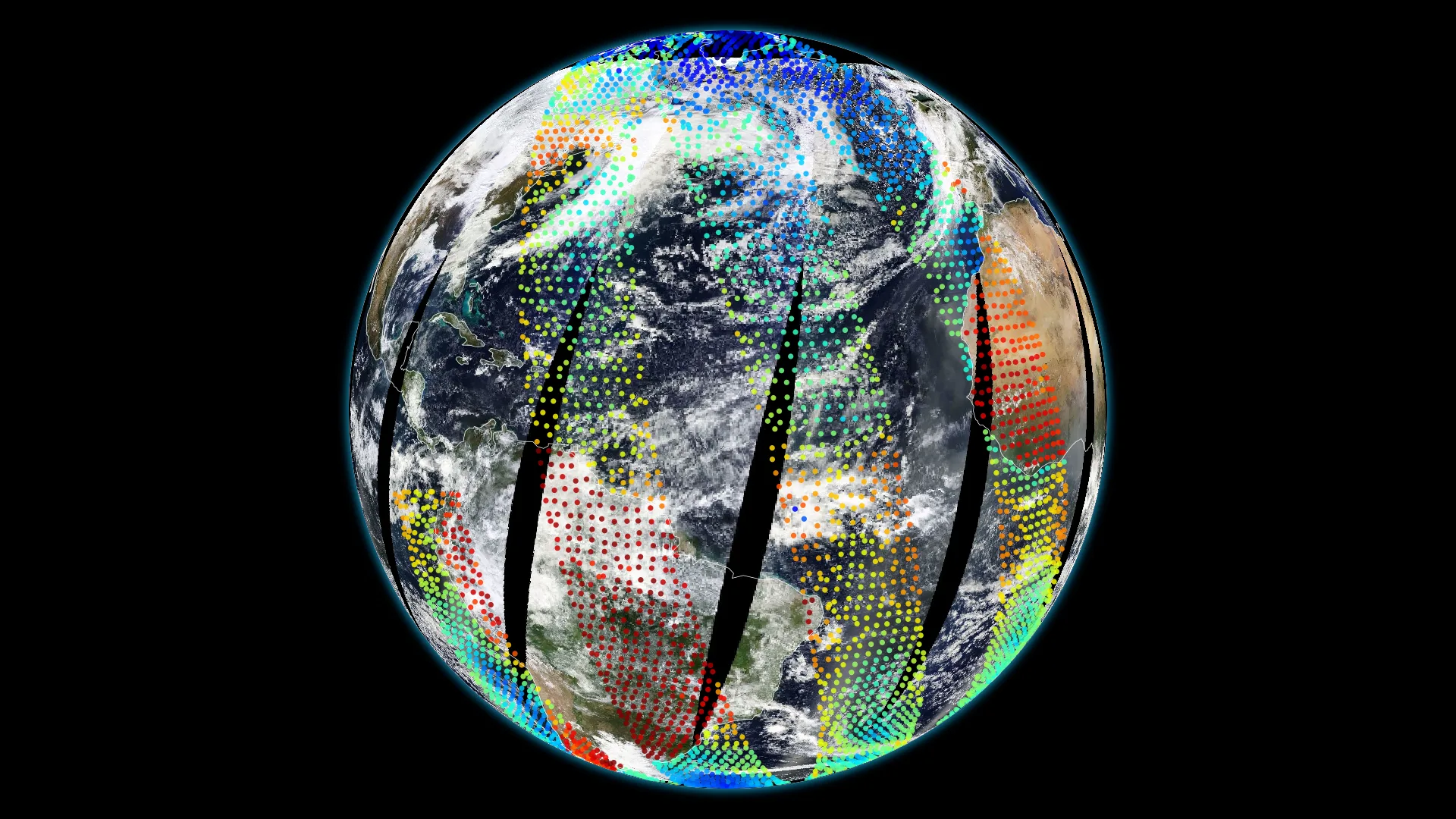
Today we're introducing ACE2S-SHiELD+, a climate emulator that learns to separate the effects of sea surface temperature & CO2. It accurately handles scenarios where previous versions of our ACE family of climate emulators produced inaccurate results. 🧵
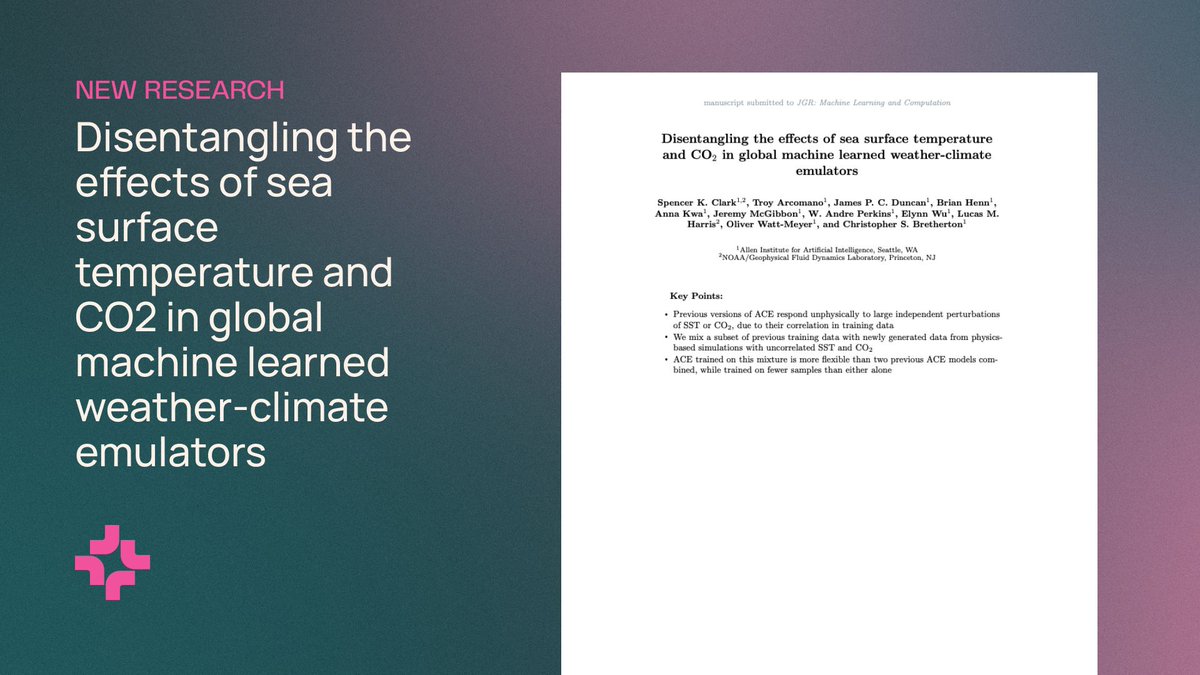
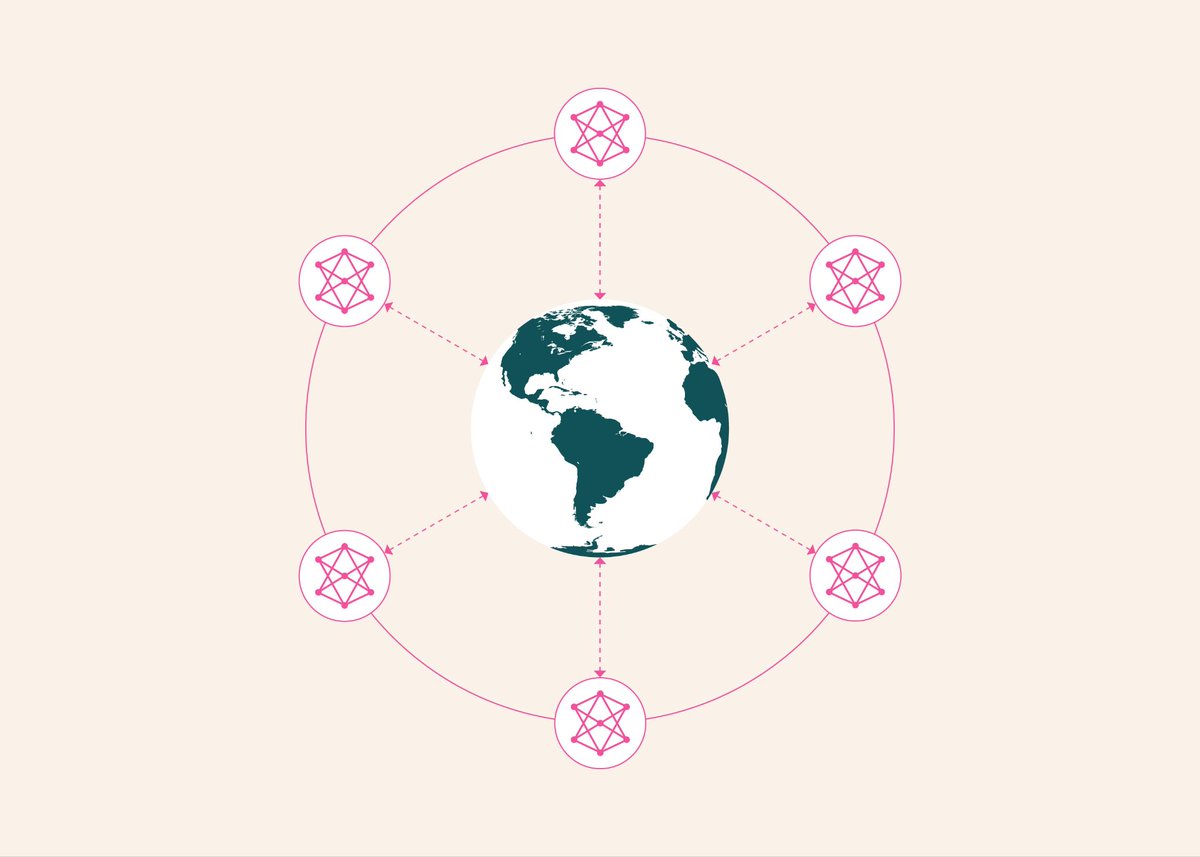
Climate emulators are AI models that simulate global weather & climate. They run about 100x faster than the physics-based models they learn from, making it practical to perform many simulations + explore a wider range of scenarios.
We've been developing the ACE family for several years. ACE2-SHiELD was trained on historical simulations from a physics-based model. ACE2-SOM came next, coupling ACE2 to a slab ocean—a simplified ocean representation where ocean temperature responds to CO2.
Sea surface temperature & CO2 have major impacts on climate, and they typically change together—SST tends to rise as CO2 increases. Because earlier ACE models had only seen them move in sync, they couldn't accurately predict what happens when one changes and the other doesn't.
Context
A climate model trained on examples where ocean temperature and carbon dioxide rise together can struggle to separate their effects. Ai2 addressed that problem in ACE2S-SHiELD+, an AI emulator of a physics-based climate model, by adding training simulations in which ocean temperature rises steadily while carbon dioxide changes independently. Its announcement describes the deliberately varied training conditions.
Ai2 reports that the resulting model handles tests that independently warm the ocean or abruptly increase carbon dioxide, alongside scenarios earlier versions already handled well. The model card supports that specific improvement: learning the separate responses needed to explore these controlled climate scenarios.



Checking sign-in…
Loading comments…