Loops, not one-shots: how coding agents got a tokenizer trainer to production
- Source
- x.com
- Date

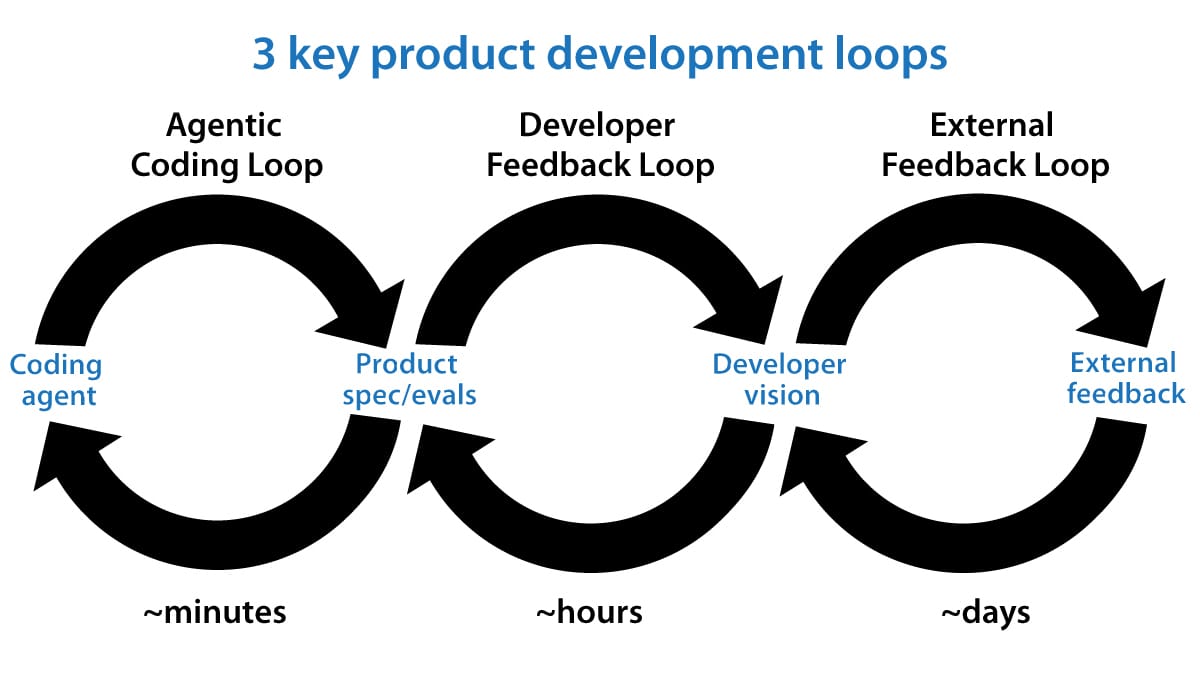
Can coding agents autonomously solve a production-grade problem from scratch? Last year, we tasked two agents to build a BPE tokenizer trainer with time limits. Both zero-shot a working toy trainer in 30 minutes. Neither scaled to production. We then changed the setup with loops. Loops allowed us to iterate against real production data at scale. The correctness was verified with two independent libraries whose results the agent could not manipulate. The result of this experiment is a tokenizer trainer called toktoktok. Read more: https://t.co/5DqakvXh7b Source:

Context
Liquid AI's coding- experiment found that passing small tests did not establish whether generated software could handle production data. Two agents produced working toy versions of a tokenizer trainer, software that learns how to divide text into model inputs. Both initially failed at full scale. Experiment account.
Repeated runs exposed problems such as excessive memory use and incorrect vocabulary ordering. The agents received those failures and revised their implementations, while two external libraries checked outputs through tests the agents could not change. One development track eventually completed the production workload; the other was stopped. The account supports a specific engineering lesson: realistic workloads and independent checks can reveal failures that an agent's own small tests miss.
- AI agent — An AI system that doesn't just answer once but works toward a goal in a loop — taking actions, reading the results, and deciding what to do next.
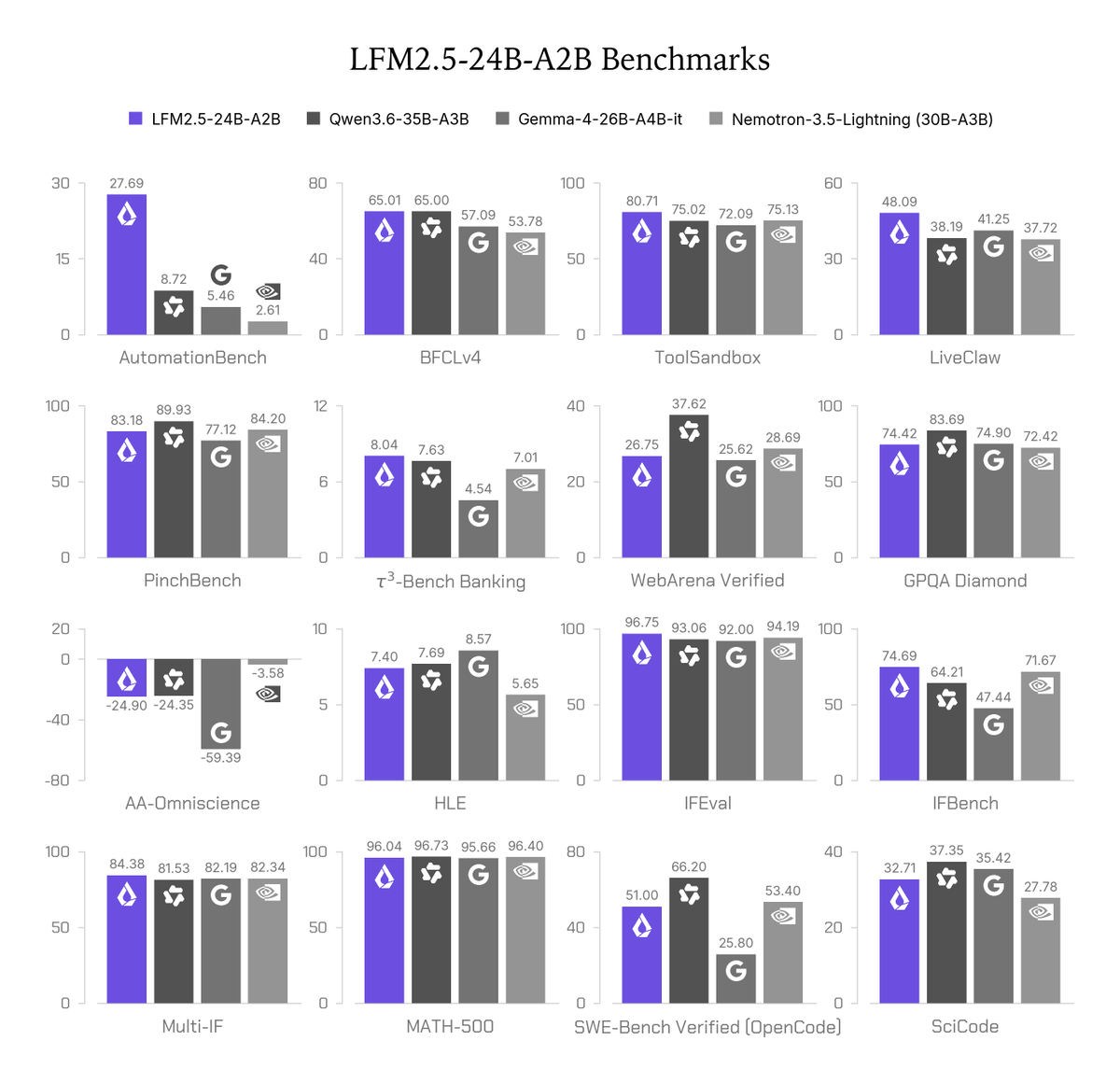 postLiquid AI ships LFM2.5-24B-A2B open weights for local agents
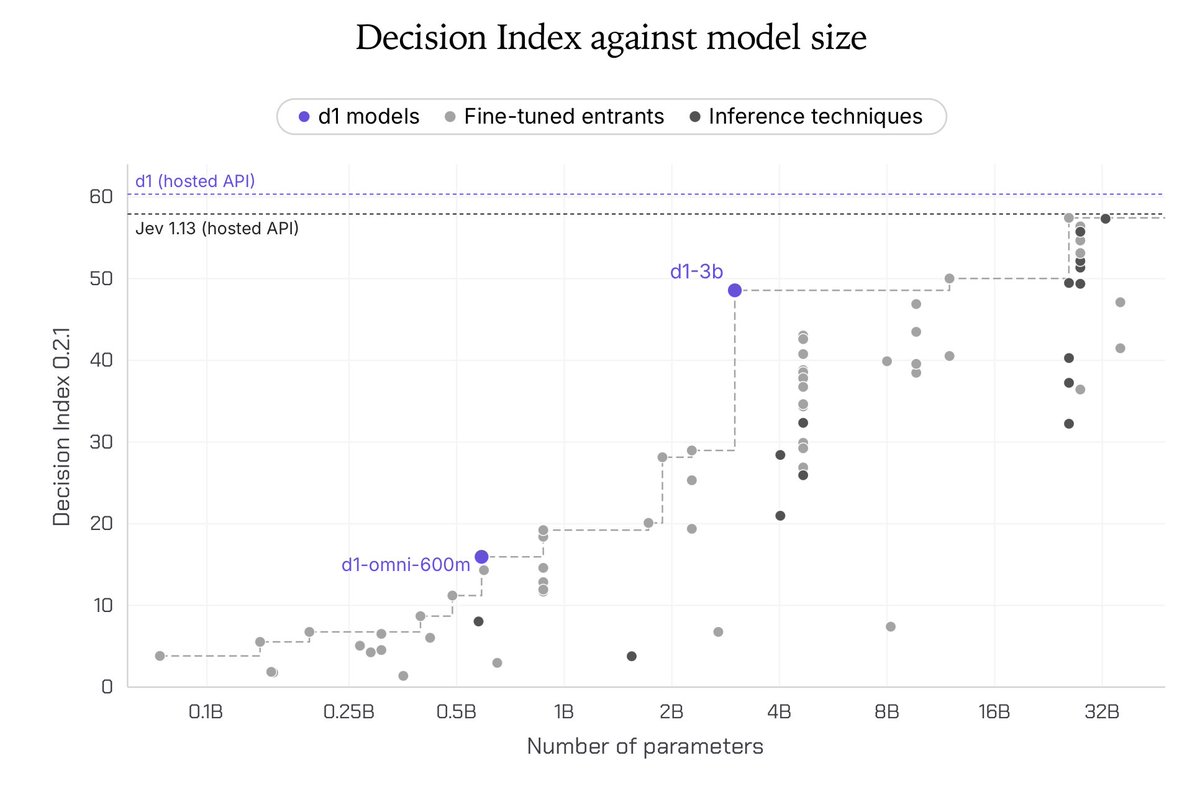 postToday we release Open d1: two open-weight multimodal models in our d1 decision…
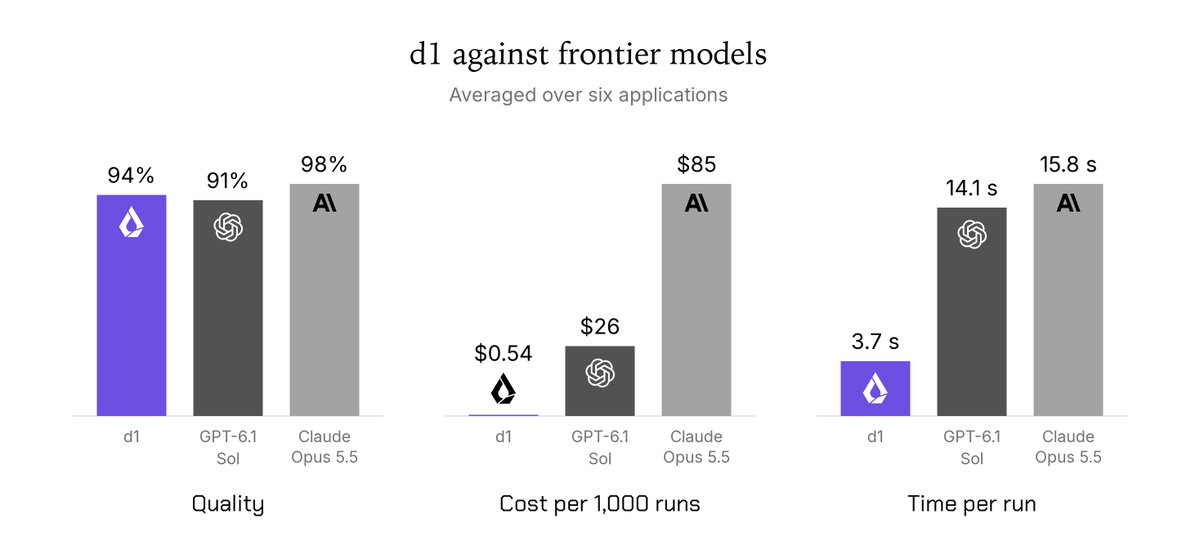 postLiquid AI's d1 decision model adds vision at a fraction of frontier cost
 articled1 is now available on @vercel AI gateway!We worked with the amazing vercel…
Checking sign-in…
Loading comments…