Frontier Reasoning Reaches the Edge: How to Deploy and Optimize Models on NVIDIA Jetson
- Source
- developer.nvidia.com
- Author
- Elizabeth Goodman
- Date
Context
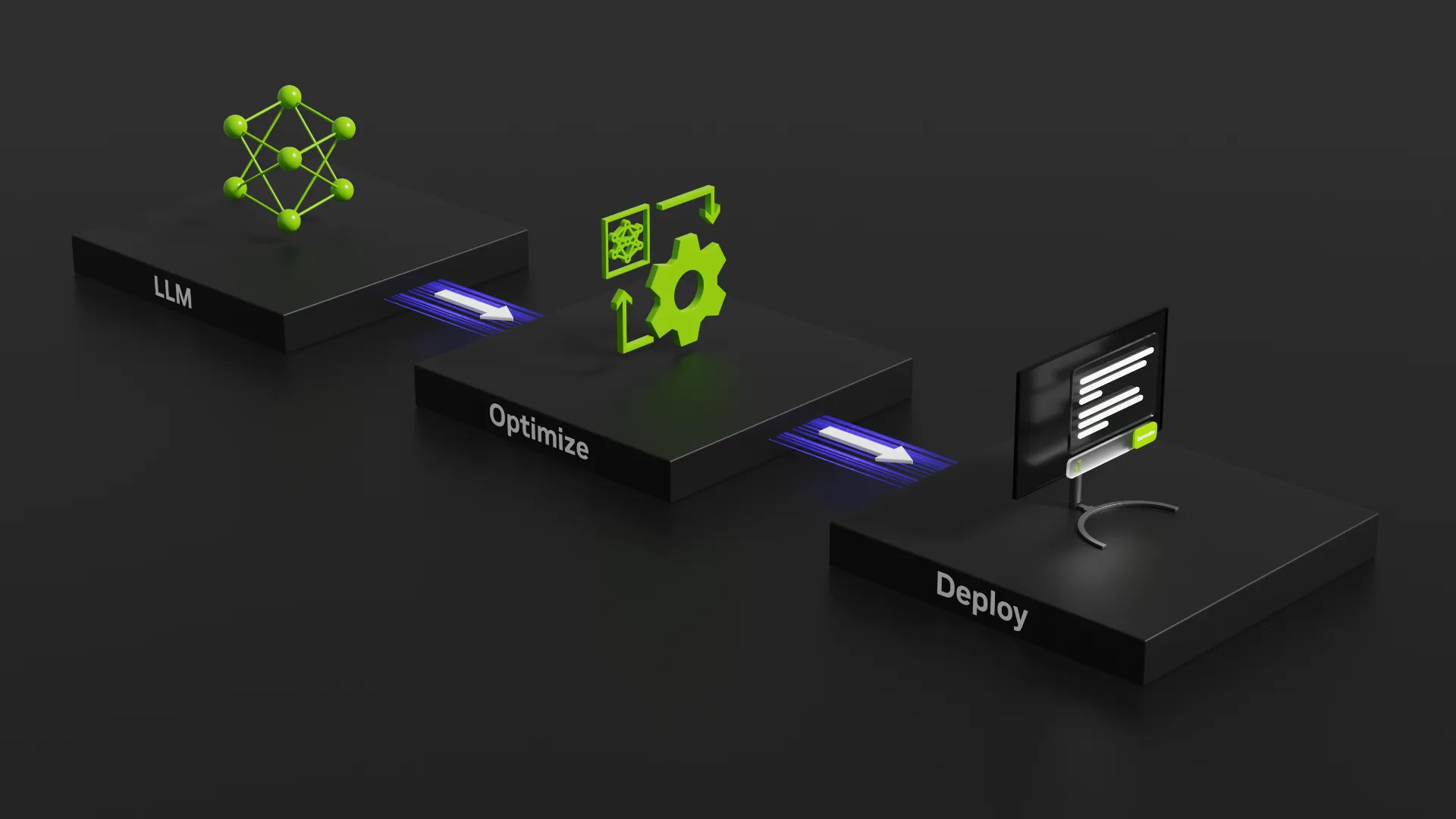
NVIDIA's Jetson deployment guide explains two complementary ways to speed locally run language models. stores and processes model values at lower precision, reducing memory traffic and computation. uses a smaller draft model to propose several text units that the main model checks together, potentially advancing generation several units per verification step. One technique reduces work per pass; the other increases output per pass. Deployment guide.
The guide's tests found different draft methods worked best for its two example models, and throughput varied with workload. That makes representative application prompts central to choosing a configuration: compatibility alone does not establish how much acceleration a particular application will obtain. Workload validation.
- quantization — Shrinking a model by storing its numbers less precisely — like rounding — so it runs faster and fits on smaller hardware, at a small quality cost.
- speculative decoding — A speed trick where a small model drafts several tokens ahead and the big model verifies them in one pass, often doubling generation speed.
 articleCode, Test, and Deploy on One Machine with NVIDIA RTX Spark
 articleHow to Rewrite Apache Spark UDFs for GPU Acceleration with AI Agents
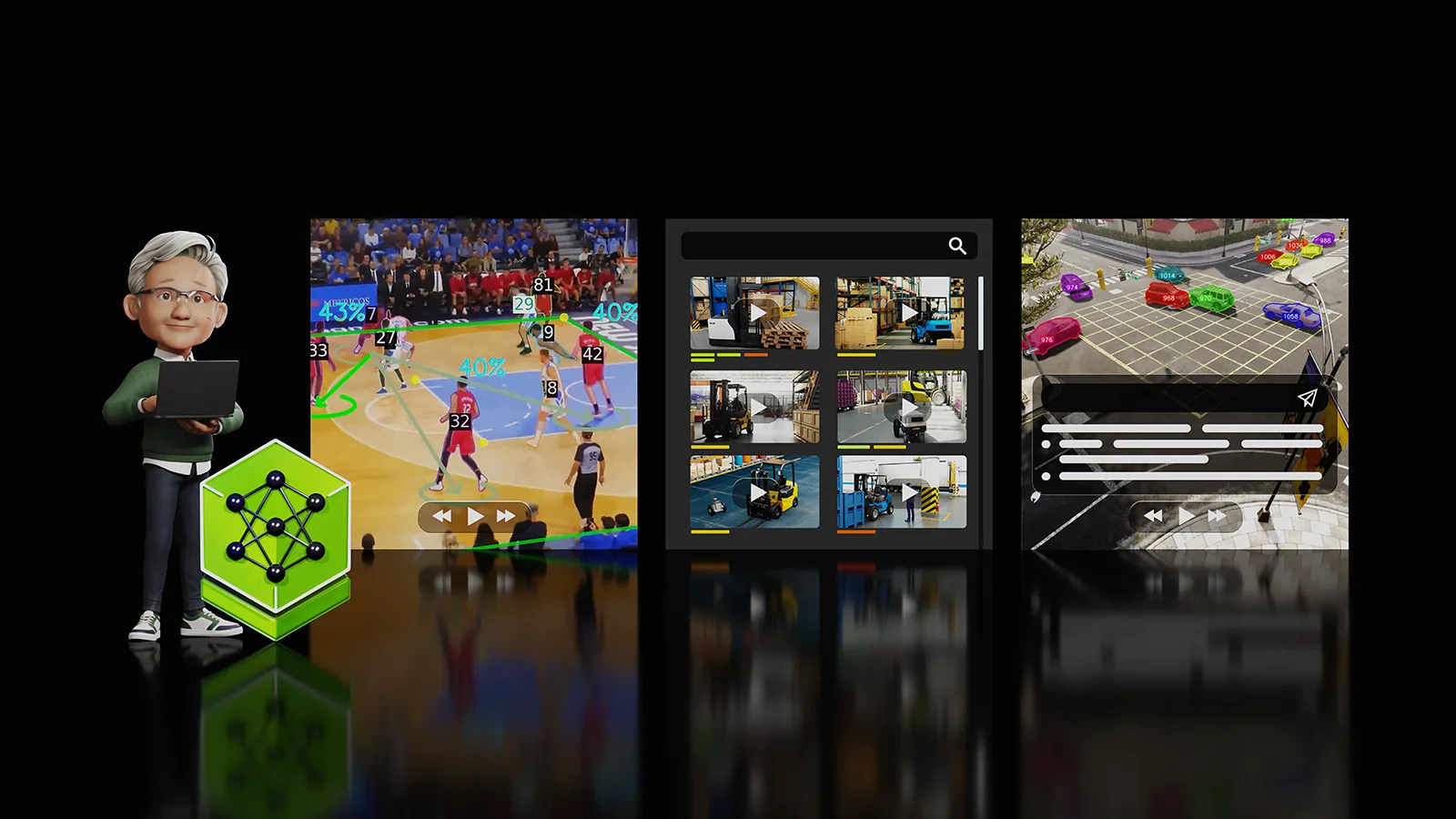 articleLower the Cost of Building and Running Visual AI Agents with NVIDIA VSS Blueprint 3.3
 articleHow SWE-Serve Exposes the Gap Between Local Tests and Live Serving
 articleDeveloping Nemotron 3.5 Lightning NVFP4 with QAD Using NVIDIA Model OptimizerTanya Lenz
 articleTensorRT Edge-LLM Completes the MLPerf Edge Agentic Benchmark 6.4x Faster on Jetson AGX ThorElizabeth Goodman
 articleNVIDIA Nemotron 3.5 Super VL Powers Specialized Agents with Multimodal ReasoningMichelle Horton
Checking sign-in…
Loading comments…