Open-source AI without Jensen
- Source
- interconnects.ai
- Author
- Nathan Lambert
- Date

Context
Nathan Lambert argues in this Interconnects essay that Jensen Huang's resignation as CEO of Nvidia leaves American AI without its chief protector, at a point when the open model business is still too young to defend itself (interconnects.ai). The resignation itself is covered in AINews's report on Huang stepping down. Lambert's piece is about what it means for open models, and it is an opinion piece throughout.
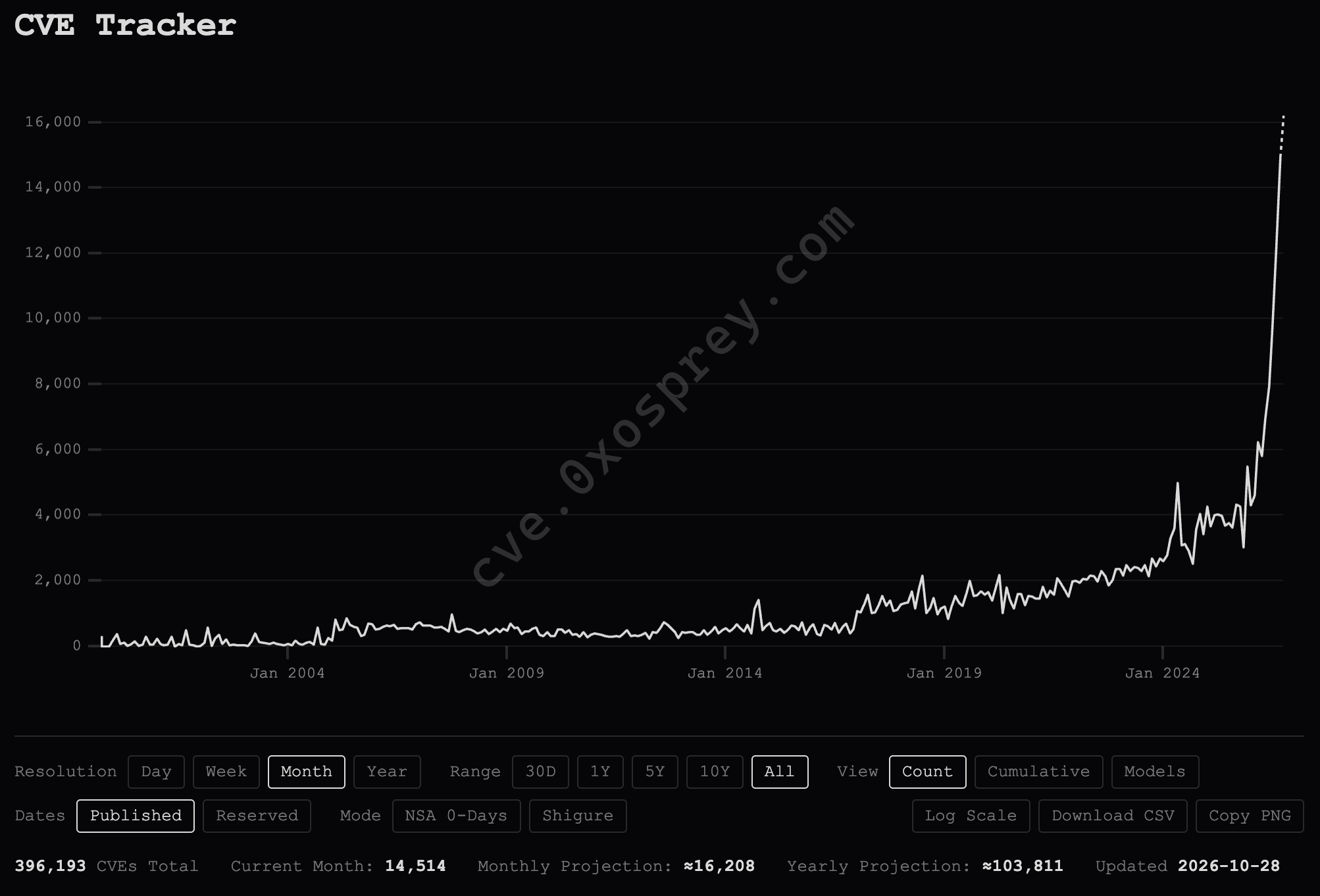
His case has two parts. The first is money and . Lambert writes that Nvidia still has a business reason to back open models, since a market where many companies run open weights is less likely to concentrate in a few large customers who build their own chips. He expects the company's priority now to be stabilizing operations and delivering to customers, and he expects Huang's founder-style funding of open models to dry up. The second part, which he stresses more, is political cover. Lambert describes Huang as someone who would use his influence to stop things going wrong. His biggest near-term worry is sloppy state-level regulation of open models, followed by national rules, and he thinks a major hack driven by a popular Chinese open-weight model is a matter of when, not if.
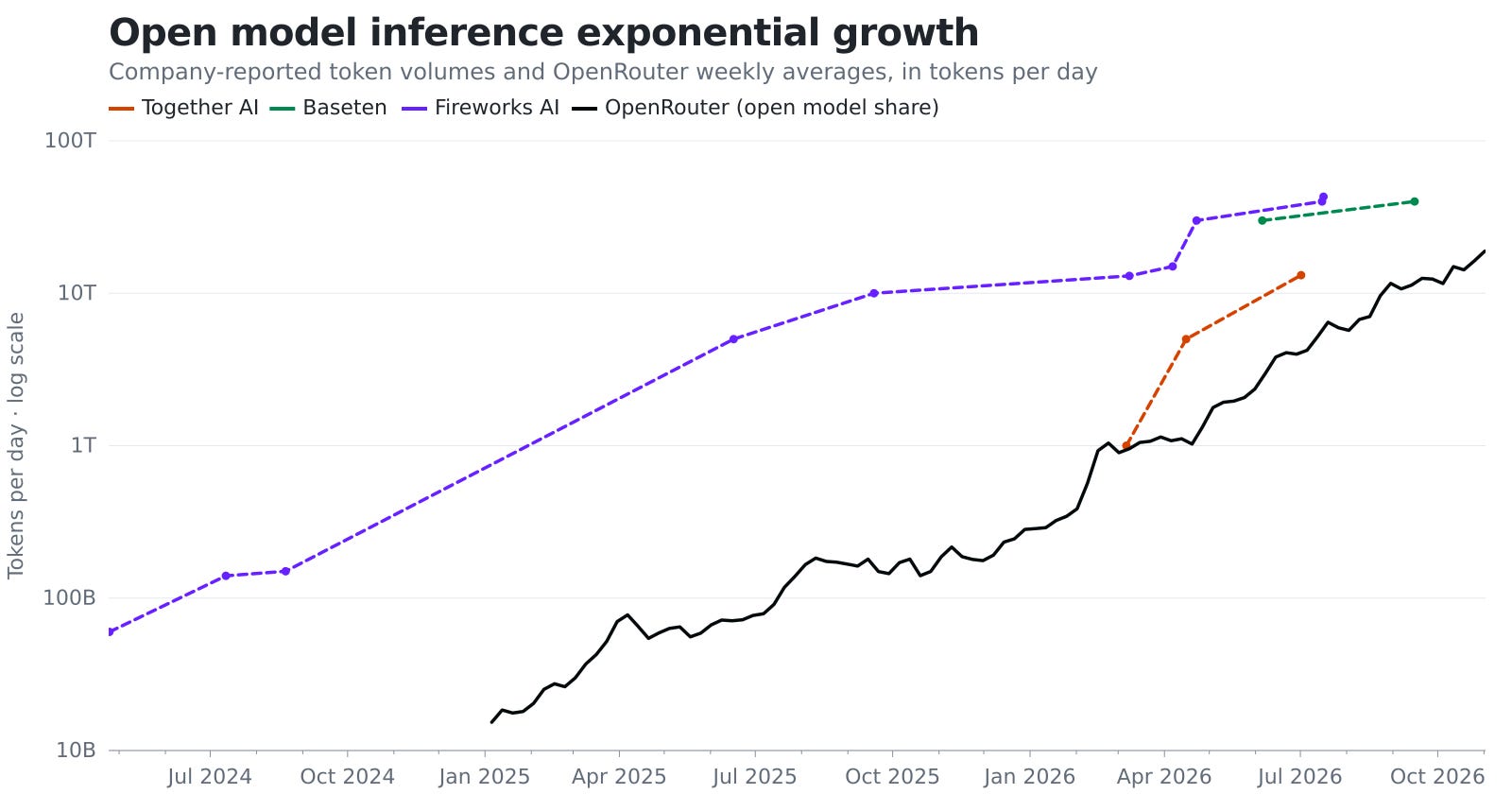
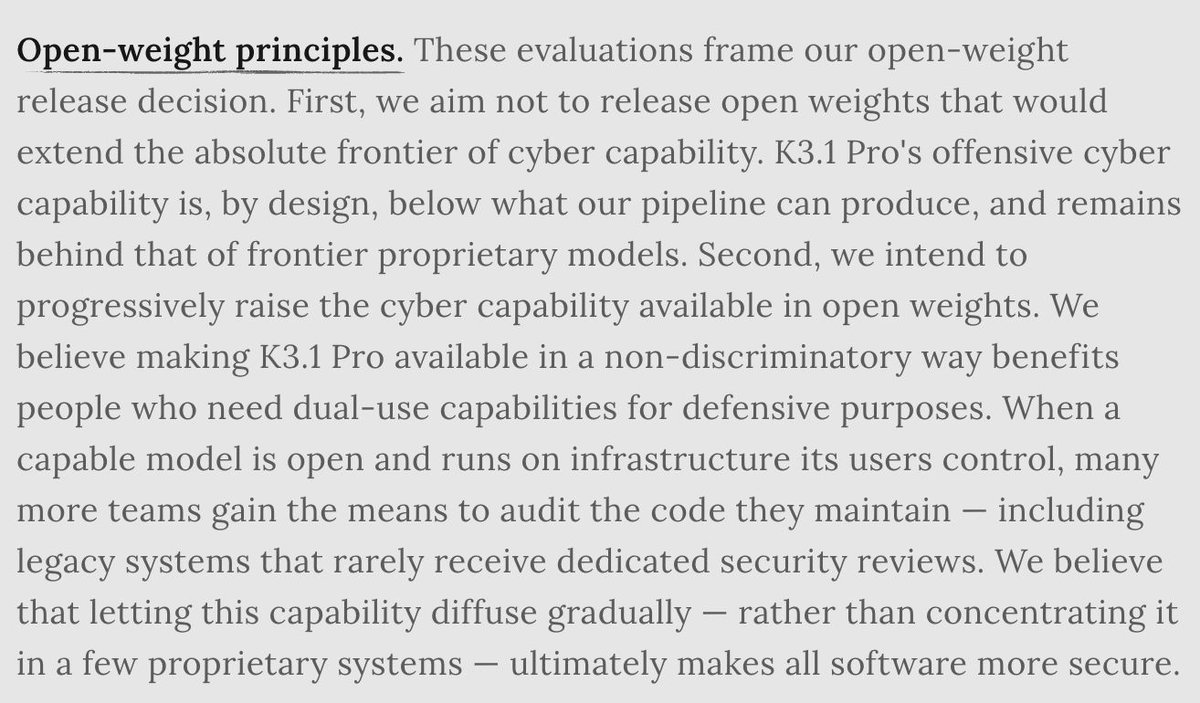
Lambert's proposed lasting fix is a US open-model developer that is actually at the frontier. He quotes Dylan Patel of SemiAnalysis, who says the barrier is talent rather than money, and he concedes that Nvidia's own Nemotron effort had strong people and ambition but has not delivered that result. He calls Thinking Machines' Inkling 2 Small possibly the best Western open-weight model in a while, yet still well behind Moonshot's Kimi K3.1 Pro. He names hyperscaler leaders as the likeliest new allies and closes by calling for coalition building among open-model supporters. These are forecasts and advocacy from someone who works on open models, not measured outcomes. Lambert himself notes that the open model economy is hard to measure because much of its most valuable use runs on private infrastructure.
- Nathan Lambert argues Jensen Huang's resignation costs open models their main protector: Nvidia still has a financial reason to back them, but its priority is now stabilizing and delivering to customers over 24 months, so Huang's open-model funding will likely dry up.
- Lambert says open models are not yet a commodity: with Anthropic and OpenAI buying so much compute, startups struggle to get chips, open-weight models are served at large margins, and closed labs with integrated scale keep the edge.
- His biggest near-term worry is sloppy state-level AI regulation, then national rules, from safety-focused candidates who see open models as unsafe; he calls a major hack driven by a popular Chinese open-weight model a matter of when, not if.
- Citing SemiAnalysis's Dylan Patel, Lambert says money alone will not build a frontier US open model because top talent sits at a few closed labs. He rates Thinking Machines' Inkling 2 Small the best Western open-weight model in a while, yet far behind Kimi K3.1 Pro.
- open weights — A model whose trained parameters are published for anyone to download and run — unlike API-only models you can access but never possess.
- attention — The mechanism that lets a model weigh which earlier words matter for the word it's currently processing — the core operation of a transformer.
- inference — Running a trained model to get answers — the phase where AI is actually used, as opposed to trained.


Checking sign-in…
Loading comments…