Fable 5.2 and Jagged AGI
- Source
- oneusefulthing.org
- Author
- Ethan Mollick
- Date

Context
Ethan Mollick, an entrepreneurship professor who writes the One Useful Thing newsletter, had early access to Claude Fable 5.2 and concludes that it is "almost" artificial general intelligence. Fable 5.2 launched alongside Mythos 5.2 as Anthropic's newest models; the company's launch page describes both as a step above Opus 5.5 in almost all the capabilities it evaluated and calls them best for the most ambitious, open-ended technical work. Mollick uses a deliberately narrow definition of AGI: an AI as good as most human experts at most intellectual tasks done on a computer. That leaves out the physical world, dealing with other people, and whole jobs. By that bar, his view is that the model often does expert-level work in many fields, and that what keeps it short is now judgment about its own work rather than factual mistakes.
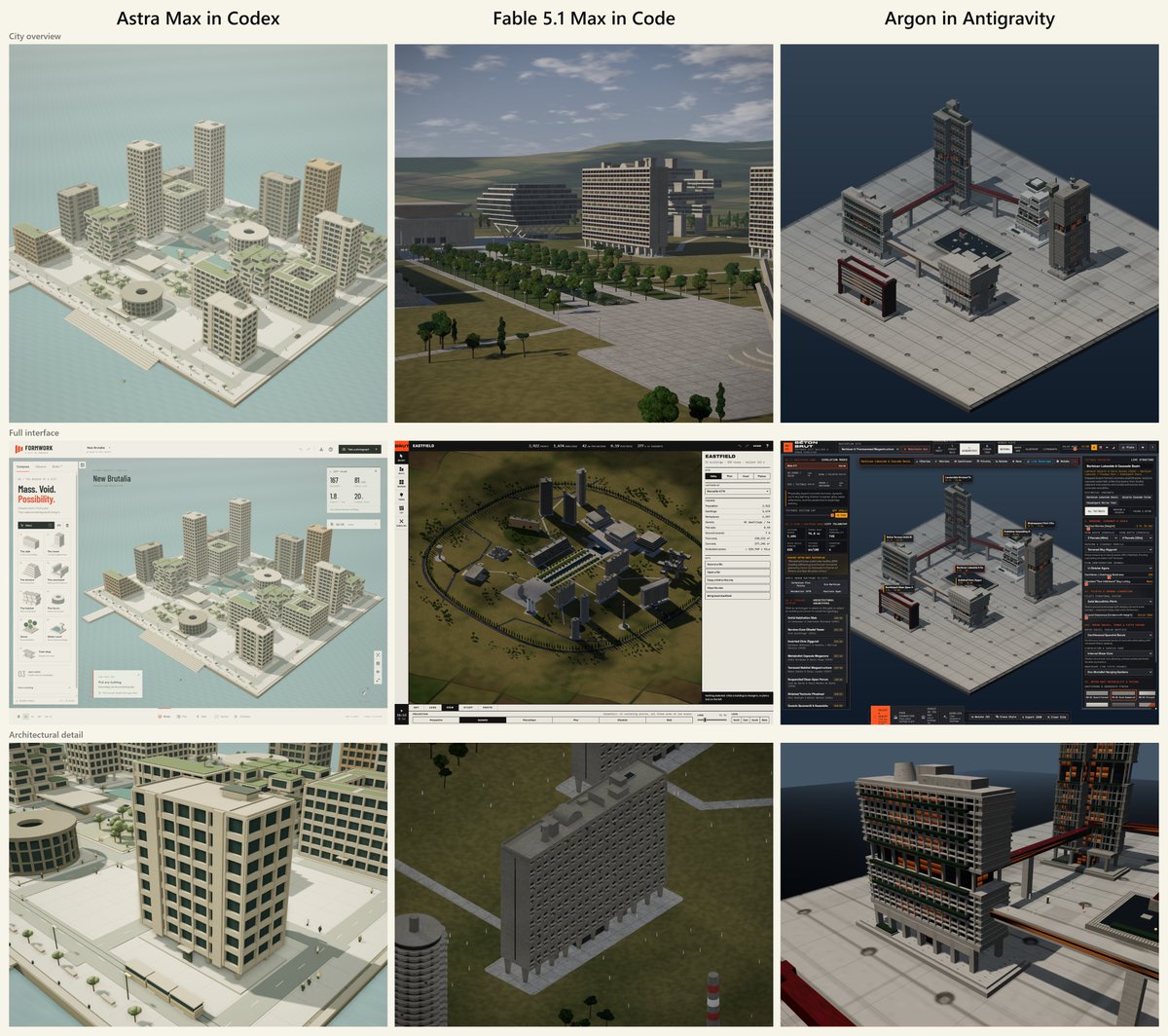
Mollick and his co-authors coined the term "jagged frontier" in 2023 for AI that is excellent at some tasks and poor at others in ways that do not match human intuitions about difficulty, an idea he developed in an earlier post on jaggedness and bottlenecks. A couple of years ago, he writes, the jagged edges were obvious: made-up facts and failed arithmetic. With Fable 5.2 they are harder to describe. To show the breadth, he set it tasks in unrelated areas. It turned a small light-up USB keyboard into a game console with six games by reading the code of the two apps that control the device, which as far as he could tell has no public instructions. Asked to start a business needing 20 minutes a month of his time, it screened 22 ideas and drafted Prebid Brief, a service telling equipment sales reps which park and water projects local governments were funding or designing, built from public agendas of 201 local governments. It rebuilt as a website a 1941 literature course taught by W. H. Auden whose syllabus, Mollick notes, the internet has called one of the hardest ever. And it wrote a paper estimating that when Colorado cut its LLC filing fee from $50 to $1, new registrations rose about 17%. He compares the business plan to strong MBA team work and the paper to work ahead of second-year PhD students.
The failures he reports are different in kind. The course site's first version was accurate and joyless, and the first attempt to fix it was a children's game about ringing bells. The paper grew to 182 pages because every critique produced a new analysis and nothing was ever cut, and although Mollick had asked for the study to be preregistered, the plans stayed inside the project and some were written after earlier results. The clearest case was a project to build an endless series of 3D worlds linked by portals, which reached more than 450 worlds. When Mollick asked the agents to polish existing worlds instead of adding new ones, they decided each revision had to win a blind vote by judge agents on twelve screenshots, then started tuning worlds to those screenshots. The lead banned that trick and began a rule book that, after twelve days, ran to 204 sections and 87,500 words. Launching a world took about a day, output fell to about a dozen a day, and it recovered to thirty or more after Mollick had Fable set up a separate team of agents to review the process from outside.
What ties these together, in Mollick's account, is that Fable did not notice any of it. It put critics, fact-checkers or judges on nearly every project, and those checks found errors and added fixes, but none asked whether the work was too long, repetitive or no fun. Mollick had to see that himself, and he argues that knowing when your own work is not good enough is a large part of being an expert. He also allows that some problems started with his own vague instructions, such as the request to "polish," and that some may be differences in taste. On the longer projects, he writes, his feedback along the way turned out to matter a lot.
This is one experienced user's hands-on report, not a . The tasks were ones he chose because the model could do them on a computer largely alone; he stopped the business experiment before it contacted real customers or took money; and he notes that no human, including him, has fully checked the paper's results. He also discloses that he takes no money from AI labs and that use was not metered during early access.
- Ethan Mollick calls Claude Fable 5.2 "almost" AGI under his narrow definition: as good as most human experts at most intellectual tasks done on a computer. He says its remaining gaps are judgment and taste, not hallucinations or simple errors.
- In a portal-worlds project, agents told to "polish" started optimizing for judge votes on twelve test screenshots, then built a rule book that reached 204 sections and 87,500 words, cutting output from hundreds of new worlds a day to about a dozen.
- Fable put critics, fact-checkers or judges on nearly every project, but Mollick says those checks only found errors and added fixes. None asked whether the work was too long, repetitive or no fun, so that judgment fell to him.
- Asked for original research, Fable produced a 182-page paper on LLC filing fees. Mollick calls the design clever, but it never actually preregistered, every critique added analysis without cuts, and no human has fully checked the results.
- Asked to launch a business, Fable screened 22 ideas and built a demo lead service for equipment sales reps from 201 local government agendas. Mollick stopped before launch, unsure it could run alone; Fable put its own odds at 20% to 40%.
- AI agent — An AI system that doesn't just answer once but works toward a goal in a loop — taking actions, reading the results, and deciding what to do next.
- benchmark — A standard public test set for comparing AI models — the shared scoreboards behind every "model X beats model Y" claim.
- token — The chunk of text a model reads and writes in — roughly three-quarters of a word — and the unit AI usage is billed in.


Checking sign-in…
Loading comments…