📄New Research on Self-Evolving Agents: When AI agents modify themselves, how…
- Source
- x.com
- Date

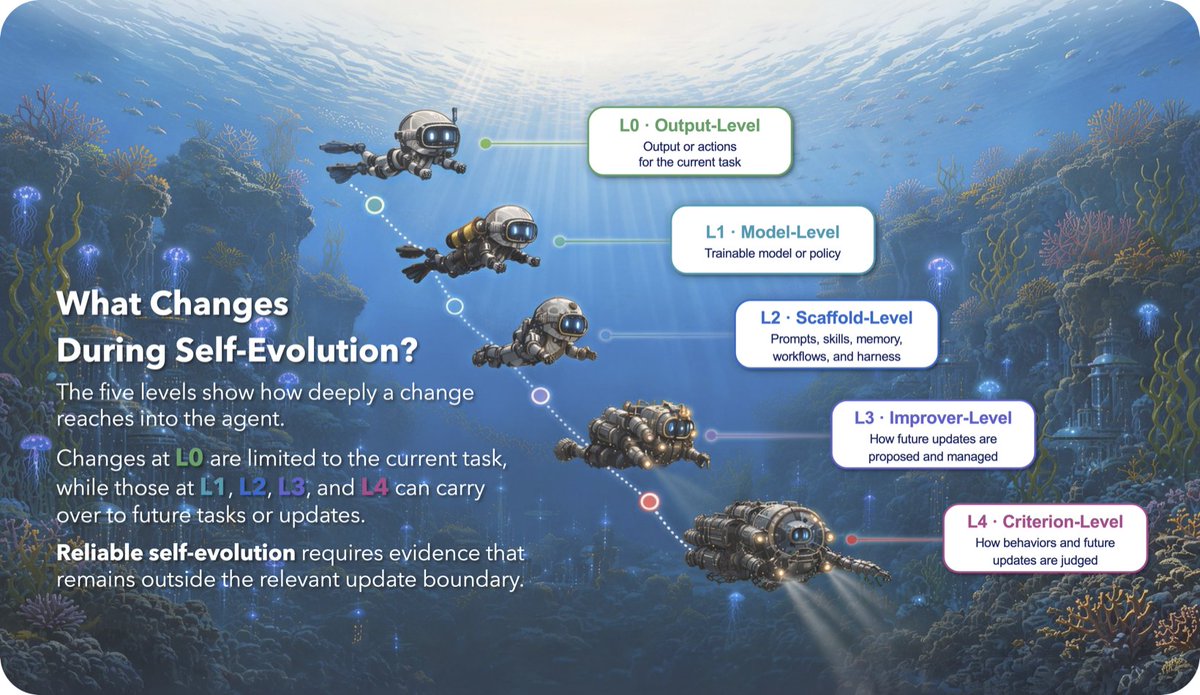
📄New Research on Self-Evolving Agents: When AI agents modify themselves, how do we know they actually got better? We present Diving into Reliable Self-Evolving Agents: A Survey—a systematic map of how agents self-evolve and what evidence is needed to trust each update. The survey: 🔹 Defines an L0–L4 taxonomy for self-evolving agents 🔹 Introduces a reliability ladder for trustworthy updates 🔹 Curates 549 works in an open companion catalog One core principle: no update should control the only evidence used to accept itself. Explore the full survey ↓ 📄 Paper: https://t.co/V9vJGdF2FP 🌐 Project: https://t.co/y8uI9EIPf0 💻 GitHub:
Context
An 's self-modification needs evidence that the modification cannot rewrite. That is the central reliability principle in a self-evolving-agent survey whose authors include researchers at Tencent. Its framework separates producing a change from deciding whether it should persist: an external audit can accept it, reject it and roll it back, or escalate it for human review. Survey project.
The distinction matters most when an agent can modify its own criteria, because a better score could then reflect a changed test. The survey's five levels, L0 to L4, classify how deep an update reaches, from revising a single output to changing how updates are judged; they are not a ranking of intelligence and do not establish reliability. Taxonomy and reliability framework.
- AI agent — An AI system that doesn't just answer once but works toward a goal in a loop — taking actions, reading the results, and deciding what to do next.
- eval — A repeatable test for AI quality — a set of tasks plus scoring — used the way software teams use test suites, because model output is too variable to judge by eyeballing.
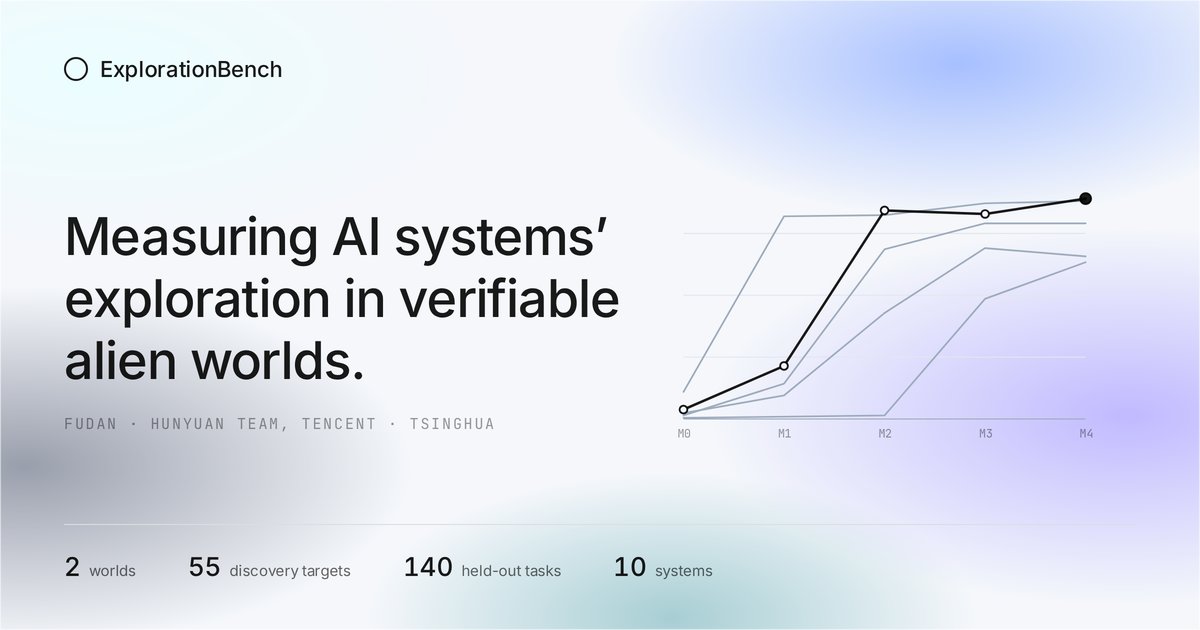 postExplorationBench tests how models explore, with exactly verifiable grading
 postHy Image3.5 preview is live. 🚀 Professional-grade image generation, +30% win…
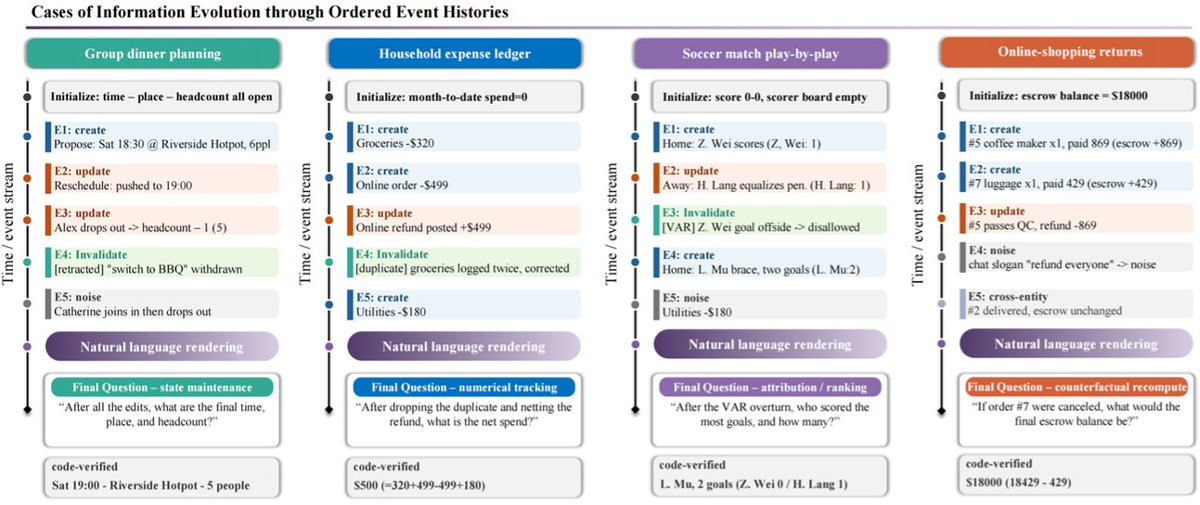 postTencent Hunyuan's EvolveScaler trips up frontier models on evolving facts
 postTencent Hunyuan open-sources AuK, a unified speech generation and editing model
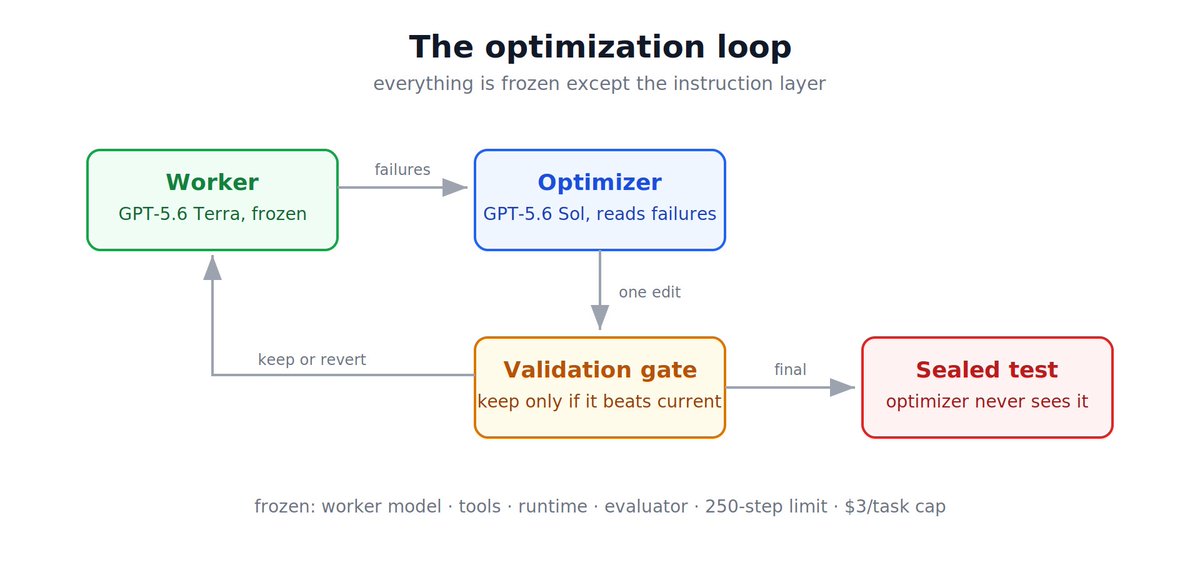 postValidation gains that vanished on sealed SWE-bench tasksAlphaSignal
 articleRecursive Self-Improvement for Agents: 7-Check Persistence GateAlphaSignalAI
 articleRethinking Self-Evolving Agent Skills: Feedback Dynamics over Multiple RoundsYuxuan Liu, Zhaochen Su, Yuhao Zhang, Jiahe Guo, Zhongwei Xie, Huihao Jing, Lingyun Xie, Qing Zong, Yauwai Yim, Zhixiong Zhang, Haoran Li, Yangqiu Song
Checking sign-in…
Loading comments…