Where hybrid models beat transformers, and where they quietly do not
- Source
- x.com
- Date

Hybrid (transformer–RNN) models are fast becoming a serious alternative to the transformer, but a big question remains: how do they process tokens differently & how does this impact performance? We compared our transformer (Olmo 3) & hybrid (Olmo Hybrid) models to find out. 🧵

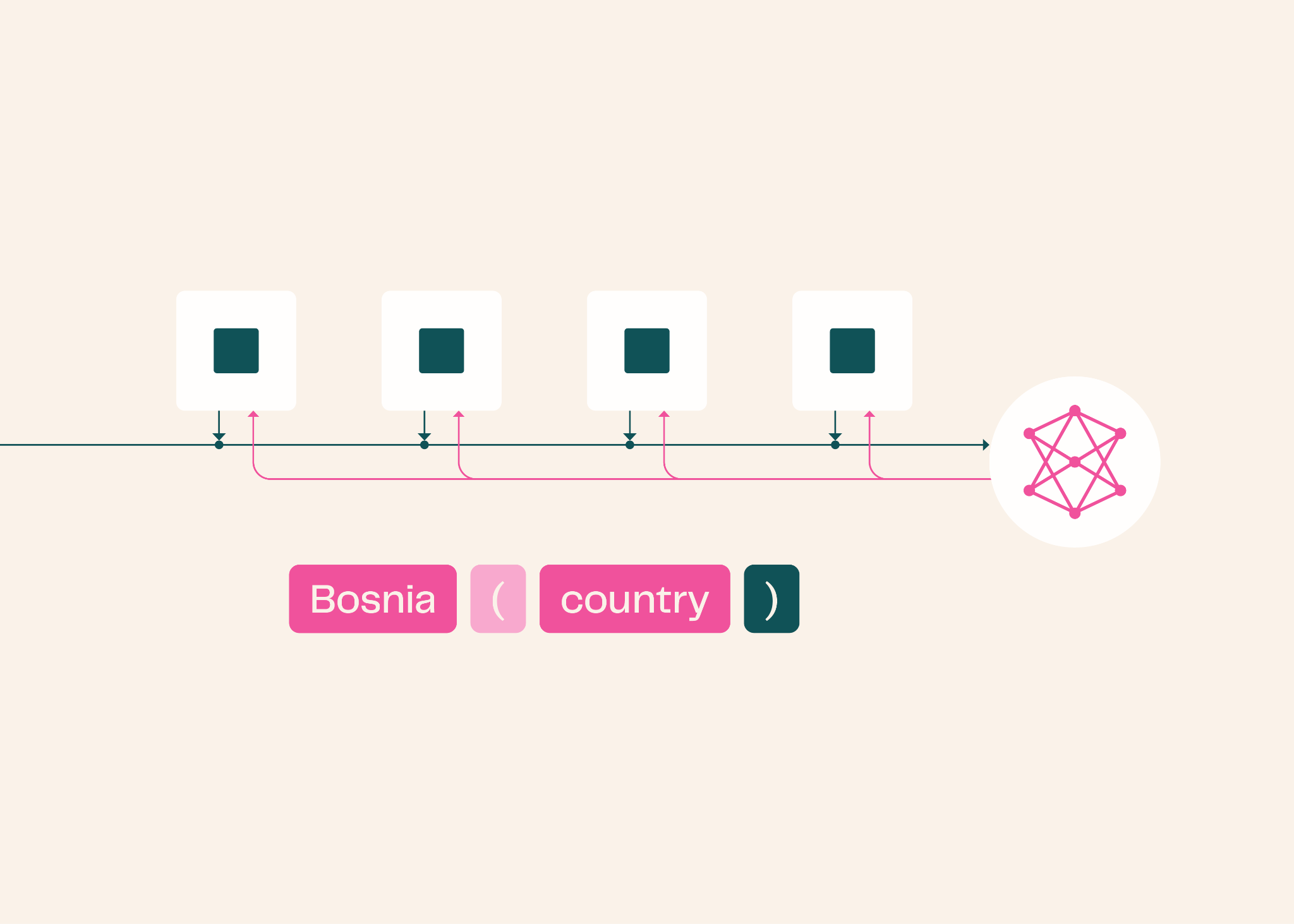
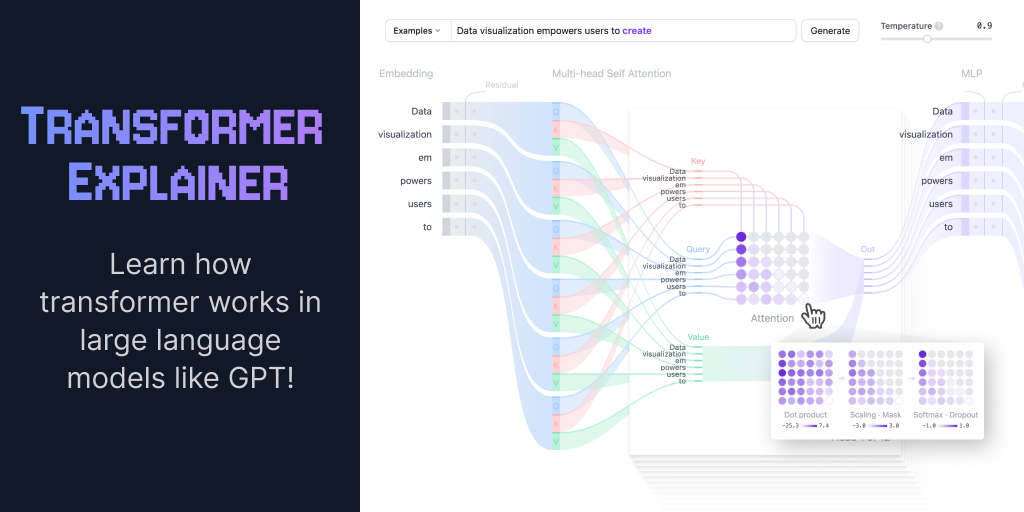
A transformer’s attention layers can look back at any earlier token exactly. A hybrid model swaps most of those layers for recurrent ones that excel at sequential processing. Do these differences give hybrid models and transformers different strengths?
To find out, we scored how well Olmo 3 & Olmo Hybrid predicted different kinds of next tokens across articles, books, papers, code, HTML, & LaTeX. The models are matched on data, tokenizer, & training recipe, so a gap in their predictions points to architecture differences.
We found that the hybrid model advantage is highest on meaning-bearing words—the nouns, verbs, & adjectives that say what a sentence is about. On function words like "the," "of," & "is," its advantage over transformers remains, but is more muted.

Context
A model's average prediction score can hide where its architecture helps. Ai2 compared closely matched versions of Olmo 3 and Olmo Hybrid. The hybrid combines , which can consult earlier text directly, with recurrent layers that maintain a compressed running memory. The researchers measured the probability each model assigned to the actual next text unit. Study design.
The hybrid's advantage was larger on meaning-bearing words such as nouns and adjectives. It largely disappeared when completing text repeated earlier in the passage or predicting closing brackets. Breaking errors down by these categories exposes strengths that an overall score conceals, giving architecture researchers a more informative comparison than a single ranking. Results.


Checking sign-in…
Loading comments…