LFM2.5-VL-3B runs document parsing, grounding and UI clicks in the browser
- Source
- x.com
- Date

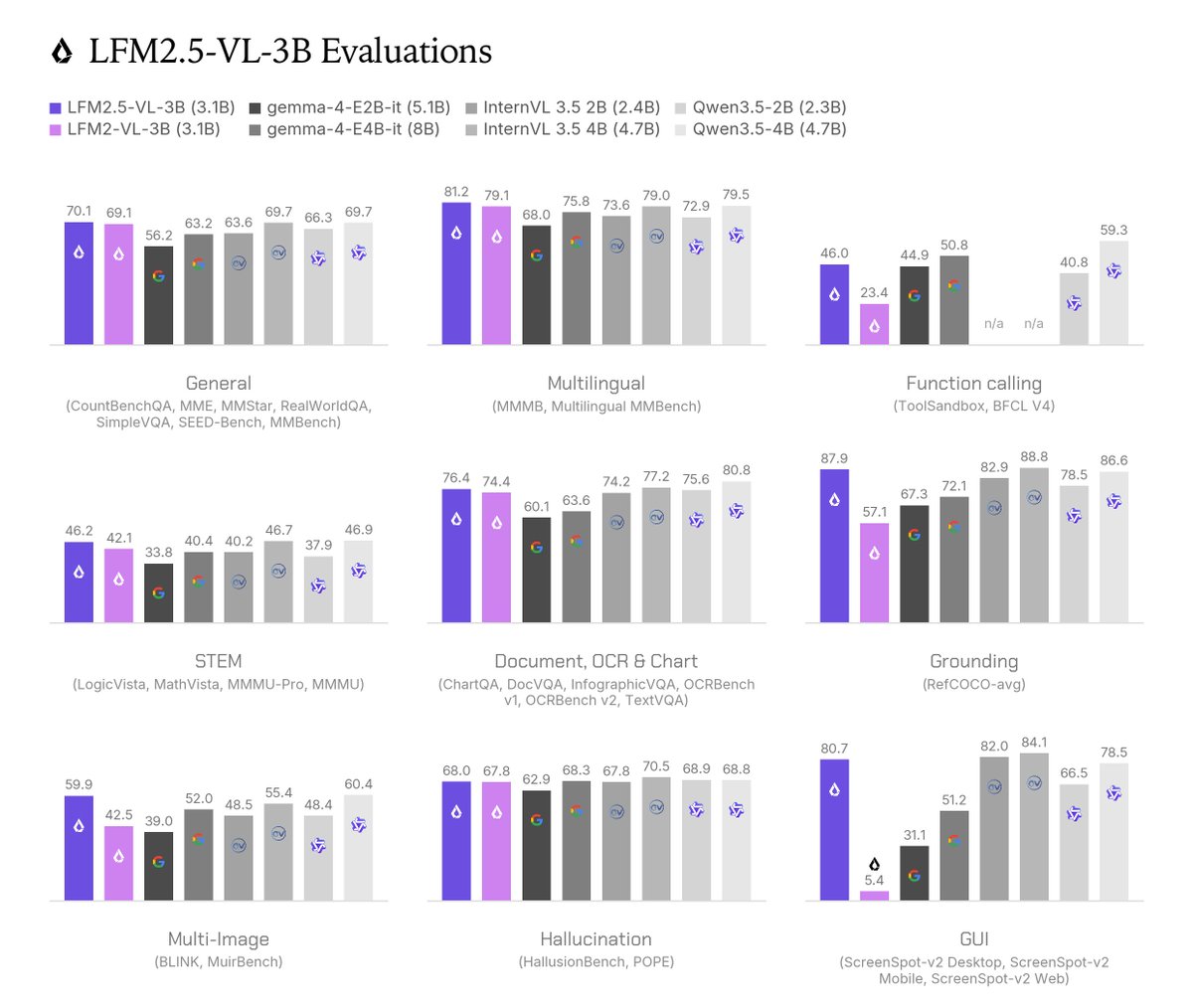
Check out our demos using LFM2.5-VL-3B, our latest lightweight, vision-language model that reads screens, documents, and the physical world. First up: LFM2.5-VL-3B running fully on-device in the browser with WebGPU to understand a document page. The model parses the entire layout in one pass and returns regions and labels that the interface renders as an overlay. The demo highlights OCR and layout understanding for visually structured content such as forms, reports, receipts, and other documents. 🧵

Here, LFM2.5-VL-3B runs fully on-device in the browser with WebGPU to ground objects in an image. Given a natural-language request, the model finds the referenced objects in the scene and returns their locations. The interface then outlines each result with a bounding box, connecting visual understanding with precise spatial coordinates. (2/4)

We combine visual understanding with tool calling, running fully on-device in the browser with WebGPU. Given an image of a dish and a request for its recipe, the model understands the visual input and decides to call an appropriate search tool. The demo illustrates how LFM2.5-VL-3B can turn information from an image into a structured function call and an actionable workflow. (3/4)

Finally, here’s our model understanding and navigating a digital interface. Given the goal of opening a specified documentation page, the model analyzes the current screen and identifies where to click next through visual grounding. Repeating this process across successive screens creates a multi-step navigation flow that reaches the requested page.

Context
Liquid AI describes a browser application that turns a document page into labeled regions using LFM2.5-VL-3B. The model processes the page and returns locations and labels; the interface draws those results over the image. According to the company, the model runs locally through WebGPU, which lets browser software use the device's graphics processor. Demo descriptions.
The useful output is a map of the page's structure that an application can display or process. This is a concrete use of the model release's document-reading and localization capabilities, with the layout analysis performed in the browser.
- LLM — A large language model — the neural network behind tools like Claude and ChatGPT, trained on huge amounts of text to predict what comes next.
- grounding — Tying a model's answers to checkable sources — retrieved documents, live data, tool results — instead of letting it answer from memory alone.
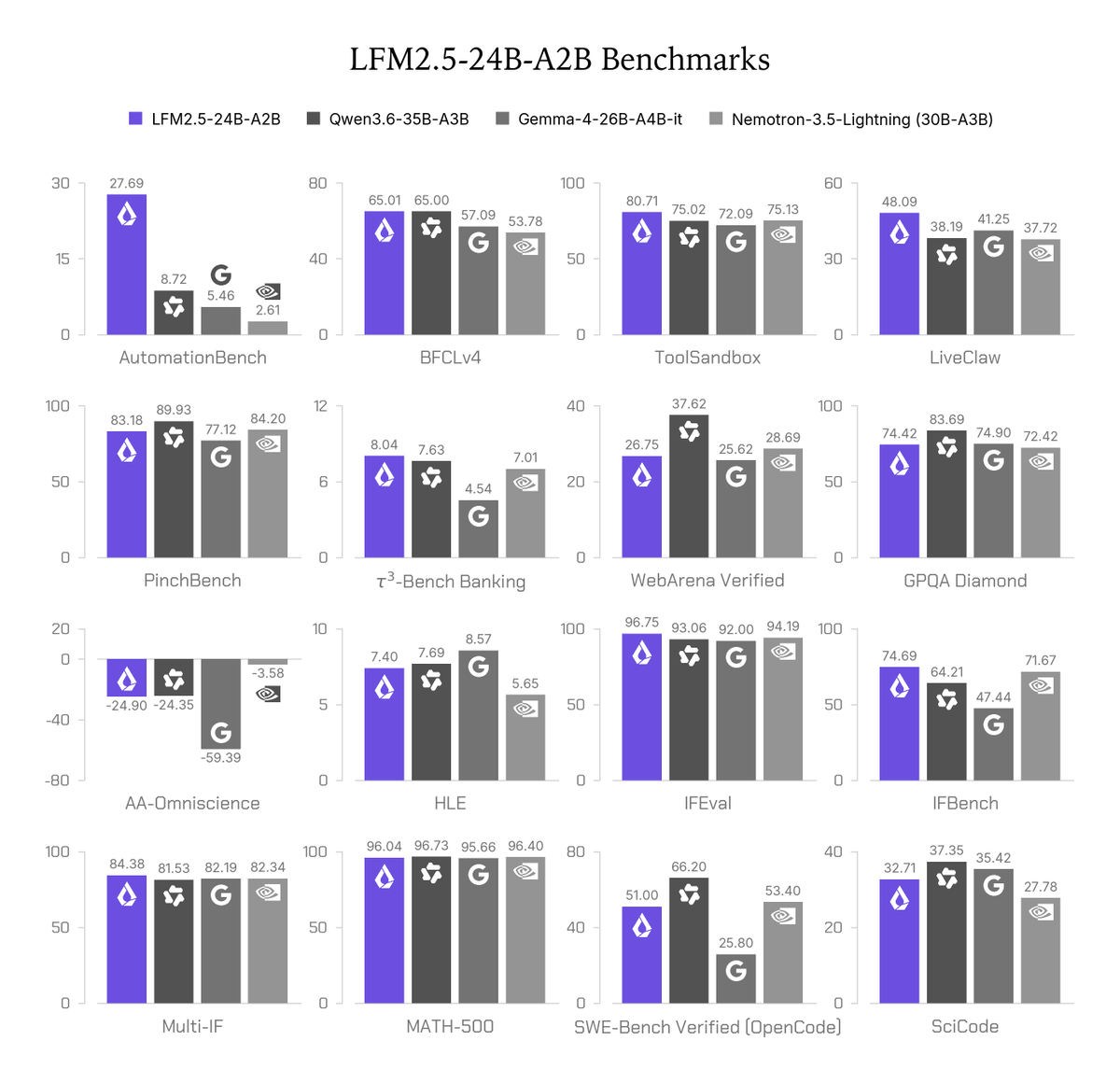 postLiquid AI ships LFM2.5-24B-A2B open weights for local agents
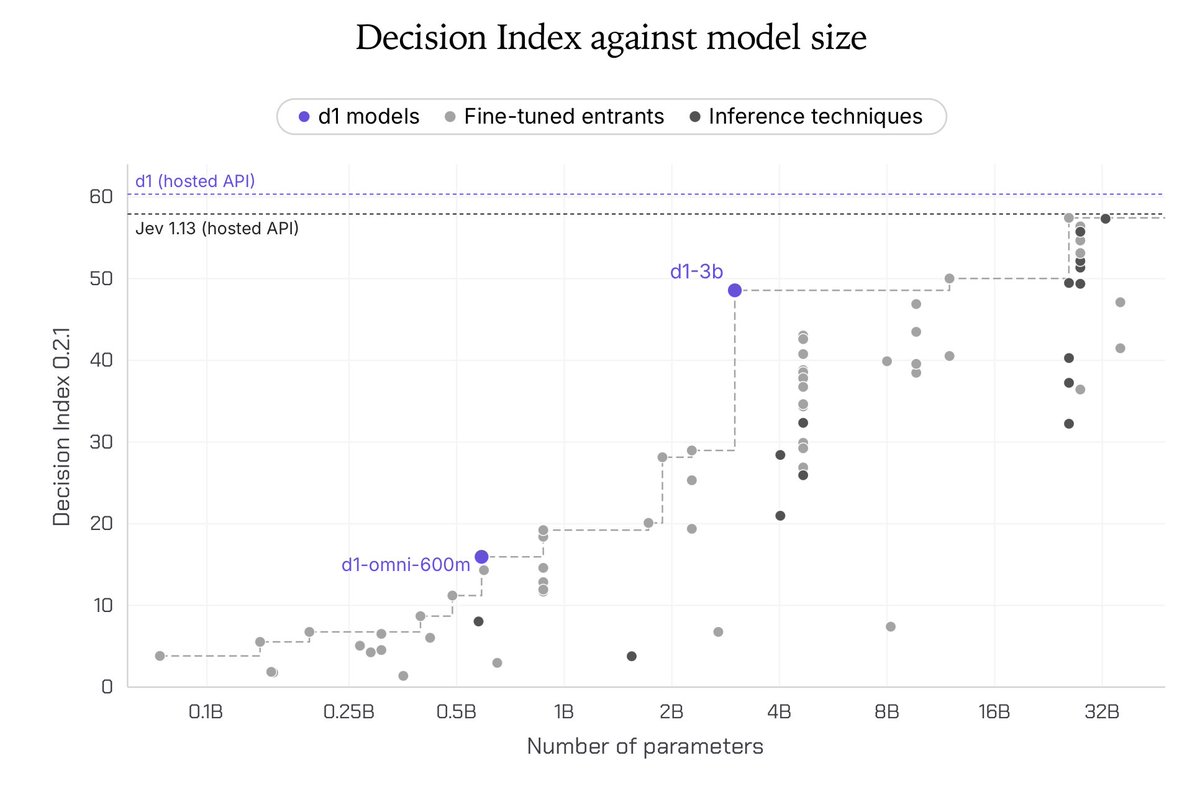 postToday we release Open d1: two open-weight multimodal models in our d1 decision…
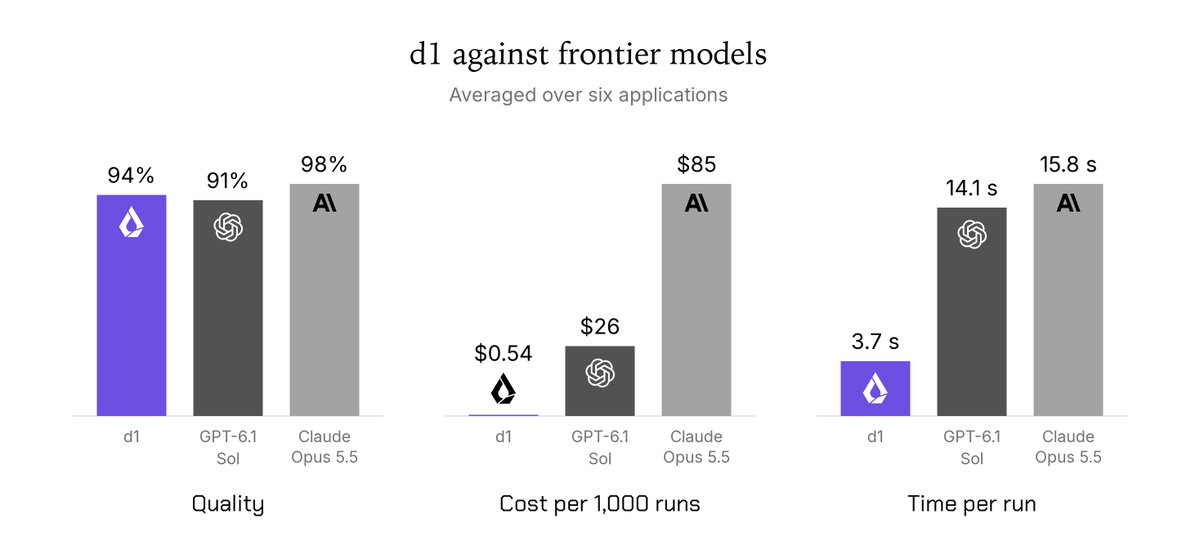 postLiquid AI's d1 decision model adds vision at a fraction of frontier cost
 articled1 is now available on @vercel AI gateway!We worked with the amazing vercel…
Checking sign-in…
Loading comments…