Intel
Page 110
Artificial Analysis benchmarks Meta's Muse Glimmer, a 30B dense Apache 2.0 open-weights model. It scores 35 on the Intelligence Index and fits one GPU, but trails same-class models on agentic knowledge work and hallucination while leading on Tau3-Banking tool use.
Why it mattersMeta's first open-weights release since Llama 4 is Apache 2.0 and runs at full 128K context on one H100. Its weak GDPval-AA and 82% hallucination rate versus strong Tau3-Banking tool use show where it fits in agent stacks.
Artificial Analysis benchmarks Meta's Muse Glimmer, a 30B dense Apache 2.0 open-weights model scoring 35 on its index. It runs on a single GPU, but lags Qwen3.6 27B on GDPval-AA and shows an 82% hallucination rate, while leading its class on Tau3-Banking tool use.
Why it mattersA 30B Apache 2.0 model that fits on one H100 or a high-end MacBook scores 35 on the index, but trails peers on agentic knowledge work and hallucinates heavily, which helps decide whether to self-host it.

Anthropic is keeping Claude Sonnet 5's June launch pricing permanently: $2 per million input tokens and $10 per million output tokens, rather than letting the introductory rate expire on August 31.
Why it mattersSonnet 5 stays at $2 per million input and $10 per million output tokens after August 31, so builders can budget agent workloads on this model without planning for a price increase.

Simply run 'browser.backend: browser-use' to get started. More info on the brows
Nous Research's Hermes Agent swaps twelve browser tools for one that runs model-written Python over the Chrome DevTools Protocol.
Why it mattersReplacing a dozen browser tool schemas with one script-writing tool cuts per-request schema overhead and per-click round trips. Nous reports 48-66% fewer tokens with no accuracy drop, a pattern agent builders can copy.

Nous Research adds a Browser Use mode to Hermes that swaps twelve browser tools for one, driven by Browser Use CLI 3.0. The agent writes scripts instead of making a tool call per click, and the team reports 48-66% fewer tokens with no accuracy drop.
Why it mattersReplacing many tool schemas and per-click calls with agent-written scripts cuts token use by 48-66% in the team's tests. Browser agent builders can consider the same pattern to reduce context overhead.

Vercel Sandbox now runs on Vercel Managed Images
Vercel Sandbox moves onto open-source Managed Images.
Why it mattersAgent sandboxes now boot with coding agents already installed rather than installing at start, and you pick explicitly between auto-patched rolling tags and digest-pinned immutability. The old runtime property is deprecated.

Taking Reinforcement Learning Cross Datacenter — Nan Jiang, Modal
A frontier checkpoint is around 500GB, so shipping one cross-region kills fast weight updates.
Why it mattersExplains why fewer than 1% of served weights actually change between RL versions, and how that fact lets rollout fleets live outside the trainer's cluster entirely.

We asked an unreleased research version of Claude to take a stab at the Riemann
Anthropic reports an unreleased Claude raised the proven lower bound for zeta zeros on the critical line from 41.6% to 67.2%.
Why it mattersA research Claude coordinating about 60 subagents produced a result in analytic number theory that was checked by human experts and by Lean, concrete evidence of how far agentic research workflows reach.
Advanced capabilities require strong safeguards. That’s why access is limited to
Advanced capabilities require strong safeguards.
Why it mattersA new frontier cyber model exists, and access is restricted to approved defenders — that determines whether you can build on it at all.

OpenRouter's upgraded Auto Router classifies prompts into about 30 task types and ranks models by real community spend share over the prior 7 days, filtered by cost tier. It keeps multi-turn chats on one model to avoid cache rebuilds, with no extra fee.
Why it mattersYou can send openrouter/auto with a cost_tier and let routing follow which models the market currently spends on for each task type, at no added fee. Benchmark claims are OpenRouter's own and not independently verified.

Ling-3.0-tiny open weights are out in BF16, FP8 and INT4. Reported results include Artificial Analysis Intelligence 25, Agentic 16, GPQA Diamond 73.40 and IMO-AnswerBench 71.03. Architecture is a 3:1 KDA-MLA hybrid with 128 experts, 8 routed and 1 shared. Local throughput figures are given for DGX S
Why it mattersA 1.3B-active open model with reported local speeds (about 100 tok/s on DGX Spark FP8) lets you run private, zero-API-cost agent tasks on a laptop or small box. Its Agentic Index of 16 suggests modest agent capability.

Meta Open Source Is BACK – Muse Glimmer First Test!
A hands-on test of Meta's Muse Glimmer across 3D CAD modelling, frontend design, creative writing, drum-kit simulation, multimodal coding and flight combat simulation.
Why it mattersFirst-hand evidence of how a new open-weight local model actually behaves on agentic coding tasks, before anyone commits to running it.

Build Low-Latency Multilingual Voice Agents: Open Weights & Full Deployment Control with NVIDIA Magpie TTS
NVIDIA's Magpie multilingual TTS is a 364M-parameter open-weights model spanning 12 languages — Arabic, Korean and Brazilian Portuguese are new.
Why it mattersOpen weights at 364M put the TTS leg of a voice agent on infrastructure you control, so latency tuning, pronunciation customization and data residency stay yours rather than an integrated speech vendor's.

We recently made auto mode the default in Claude Code, which means you no longer
Anthropic walks through Claude Code auto mode.
Why it mattersExplains the layered design behind approval-free Claude Code runs and how to configure trust boundaries (environment, soft and hard deny, ask rules), so teams can roll out auto mode narrowly and know what still needs manual review.


Lessons from Studying Every Memory System — Shlok Khemani, Independent
A year of reverse-engineering consumer memory systems, opened by a ChatGPT profile recording a trip to Turkey the author never took.
Why it mattersTwo shipped memory architectures compared side by side, with the tradeoff that drives the design choice made explicit.

🛡️Data Protection Controls with LangSmith LLM Gateway ✅ Detect, redact, and rep
LangSmith's LLM Gateway public beta adds data protection for Enterprise users.
Why it mattersAgent teams can enforce PII and secret redaction at a single gateway rather than in each agent. Original values are restored in provider responses, so redaction should not break agent behavior.
Run Local Agentic AI Workflows with Meta’s Muse Glimmer on NVIDIA
Meta's Muse Glimmer, a 30B open-weight dense model with a 120K-plus context window, running local agentic workflows across NVIDIA edge, desktop and workstation platforms.
Why it mattersConcrete numbers on running a capable open-weight agentic model locally, which changes the build-vs-API calculus for on-device agents.
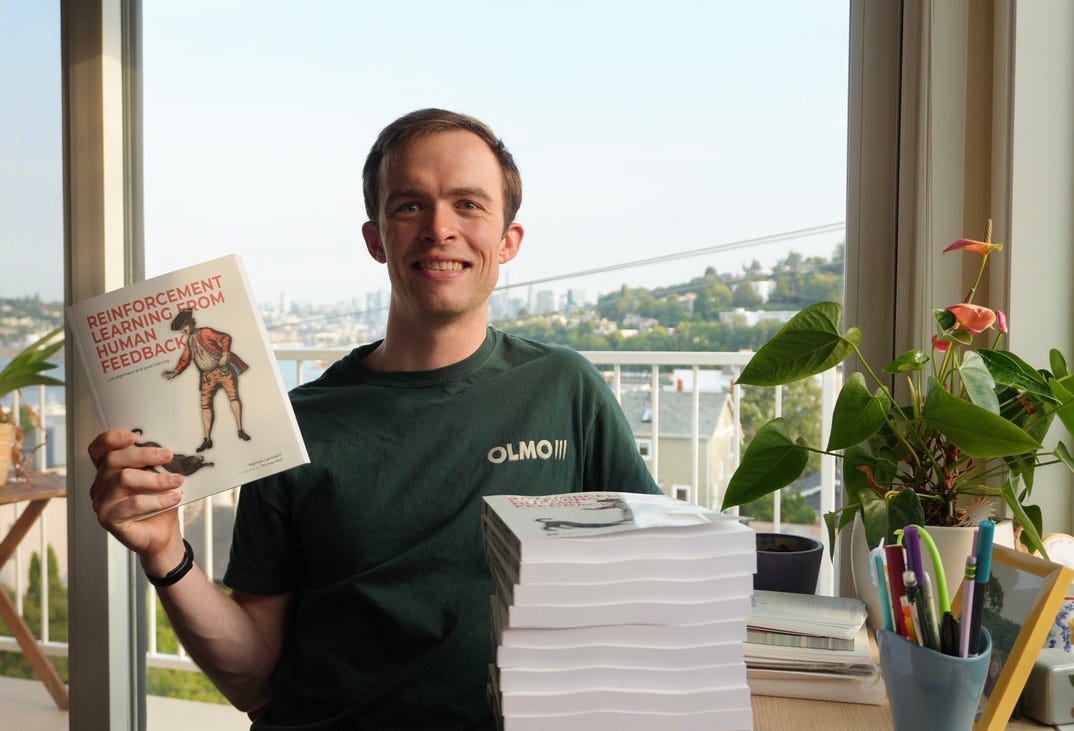
5 useful things you'll learn in my new post-training textbook (shipping now!)
Nathan Lambert on finishing his post-training book for Manning, Reinforcement Learning from Human Feedback, and five things it teaches that are hard to find written down elsewhere.
Why it mattersPost-training methods are the least-documented part of the model stack; a consolidated reference from a practitioner who trains open models is a durable resource, not a news blip.

Meta AI released Muse Glimmer, a 30B-parameter open-weight model aimed at local, always-on agent workflows. It is designed to run on consumer hardware such as a Mac or a PC with a capable GPU, and ships under Apache 2.0. The announcement gives no benchmark figures.
Why it mattersA permissively licensed 30B open-weight model built for local agent loops that runs on a Mac or a consumer GPU PC lets engineers run always-on agents without API costs or sending data off-device.
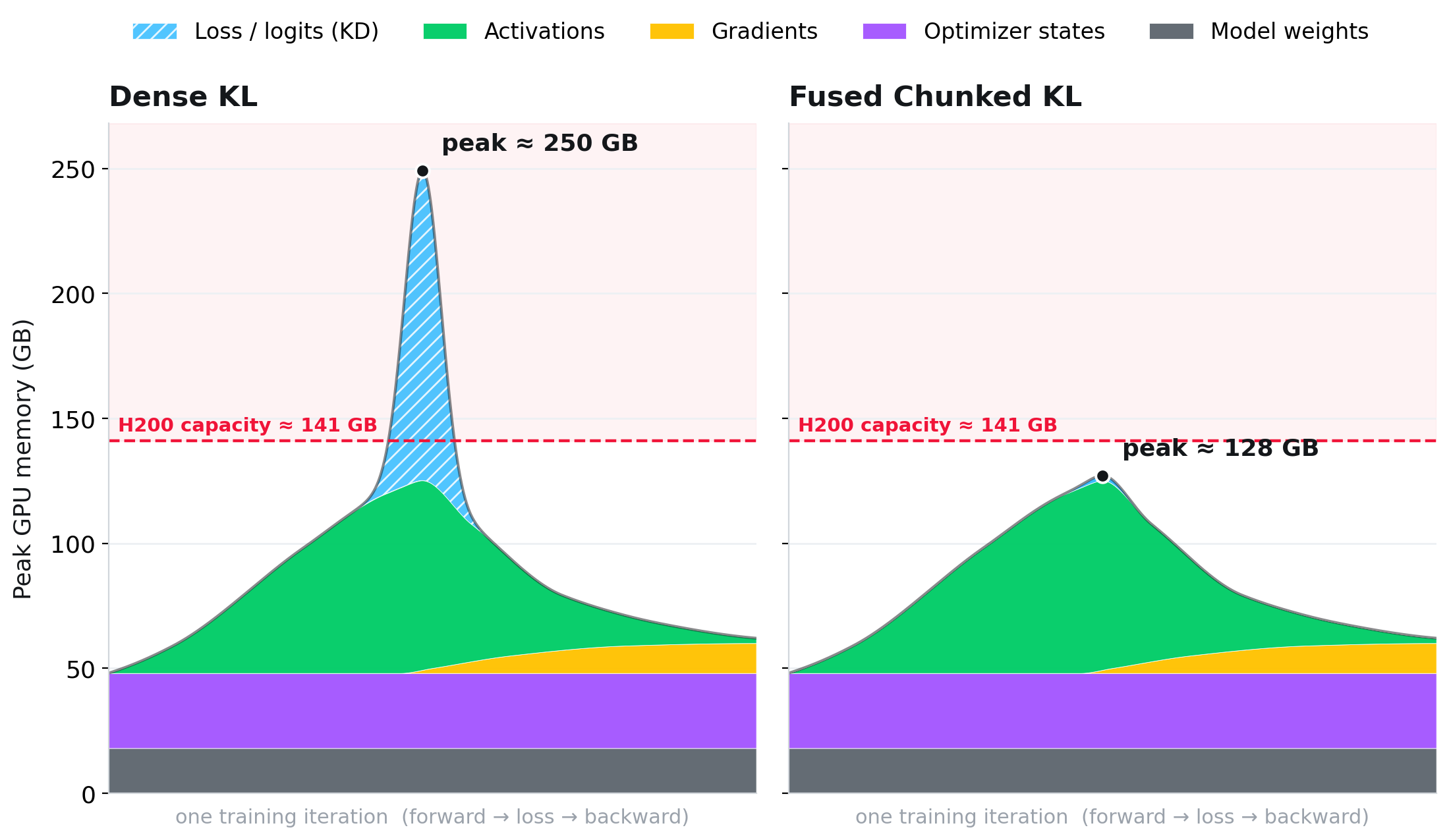
Making Knowledge Distillation Cheap Enough to Run at Scale
Two systems changes that make distillation recovery cheap.
Why it mattersCaching the teacher's top-K logits once removes it from memory during student training, and a fused chunked KL loss never materializes the vocabulary-by-sequence tensor — enough to bring long-context distillation healing onto a single GPU.
Putting frontier cyber models in more trusted hands
OpenAI opens its frontier cyber models to approved Daybreak partners, who can apply them to authorized, governed cybersecurity work for customers.
Why it mattersFrontier cyber capability now reaches practitioners through a vetted partner program rather than open API access — the channel to know about if you build or buy security tooling on these models.

An essay arguing against the popular claim that coding is easy compared to figuring out what to build. The author contends that both writing good code and understanding customer needs are difficult, specialized skills, and dismisses the idea that AI has made coding trivial while product thinking remains hard.
Why it mattersNames the assumption behind a lot of current AI-and-engineering discourse and argues against it explicitly, which is useful whether or not you agree.
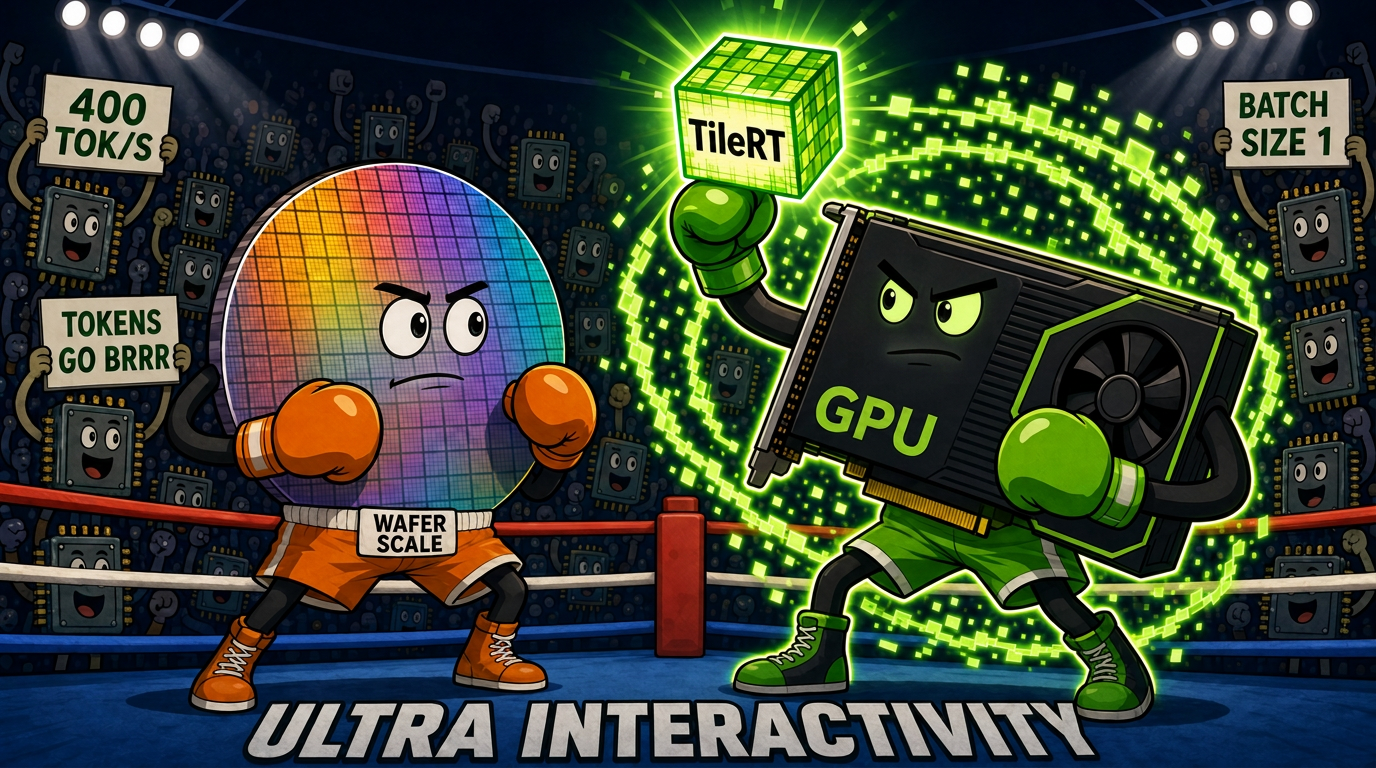
Ultra-High Interactivity on NVIDIA GPUs? - TileRT InferenceX
Premium fast modes show users will pay for lower latency, so frontier labs are evaluating purpose-built inference hardware that trades batched throughput for interactivity.
Why it mattersExplains what actually limits interactive token latency, so you can reason about when a fast mode is worth paying for and where alternative inference hardware wins.

👀 Seeing is just the beginning. With Qwen-MM-Plugins, turn your favorite agent
👀 Seeing is just the beginning.
Why it mattersAdds multimodal input and editing to an agent harness you already run, without switching to a multimodal-only stack.

Coupling Planning with Episodic Memory in LLM Agents for Software Issue Resolution
Resolving a real software issue takes tens to hundreds of steps across exploration, hypothesis, implementation and verification.
Why it mattersAddresses the two failure modes that wreck long agent runs — stale evidence and self-declared success — with a design that holds across models and harnesses.

ADIAS: Automated Design of Interactive Agentic Systems
Automated agent design usually organises cross-round experience around candidate agents, leaving repair progress implicit.
Why it mattersIf you run iterative agent-improvement loops, tracking issues as durable objects rather than re-summarizing candidate history is a concrete change with measured effect.

Translation Tag Team: Formal Rules and LLMs Translate More Macros Together than Apart
C macros are usually preprocessed away before C-to-Rust translation, which produces translations that lose them.
Why it mattersThe measured finding that running the formal translator first and falling back to a model on the remainder beats either alone is a directly applicable strategy for LLM-assisted migration work.

Statistical Analysis of Executability and Program Equivalence in Decompilation for IoT Vulnerability Detection
LLM decompilation reads well and recompiles often, but because output is probabilistic it favours syntactic plausibility over behaviour.
Why it mattersIf you use a model to decompile or port binaries, recompilation success and passing tests are not evidence of semantic equivalence — this quantifies the gap.

AgentChaos: Chaos Engineering for Agent Systems via Programmatic Fault Injection
AgentChaos brings chaos engineering to agent systems, injecting server errors, truncated responses and corrupted content programmatically without source changes, together with a taxonomy of the faults that propagate between agents.
Why it mattersShows that agent robustness tracks system implementation rather than model choice, and gives a source-code-free way to test how your own agent handles a bad API response.

Confidence Estimation for Financial Vision-Language Models in Chart and Document Understanding
When a vision-language model reads a financial chart, the operational question is trust rather than accuracy: which answers can be acted on and which escalated.
Why it mattersIf you gate document- or chart-reading model output on a confidence score, this shows that off-the-shelf confidence signals are not thresholdable and that reliability must be measured per model and per task.

WebGrader: Training LLMs for Web Development with Self-Evolving Programmatic Grader
Reinforcement learning for web generation is bottlenecked by reward design.
Why it mattersThe separation of test planning, action grounding, evidence collection and semantic judgment is a reusable recipe for anyone building automated graders for code-generating agents.

Measuring the Cross-Lingual Comprehension Gap: How the language of the evidence shapes what language models understand
An attempt to isolate language itself as a variable: same articles, same questions, same references, only the passage language changes.
Why it mattersHolding content, question and model fixed, answer quality drops about 17% relative when the passage is in a non-English language, and worse for lower-resource ones.

How Reasoning Shapes Social Bias in LLM-Generated Code?
The first systematic study of social bias in reasoning-based code generation, evaluating nine standard and reasoning models on bias-sensitive tasks where generated programs treat demographic attributes differently.
Why it mattersIf your product generates code that makes decisions about people, this shows reasoning mode alone neither fixes bias nor preserves quality, and that the reasoning trace is the place to intervene.

Characterizing the Quality Profile of AI-Generated C++ in Production
A study of what AI-authored C++ actually looks like once it reaches production, measuring the quality and maintainability trade-off that industry leaders and frontier labs have both flagged.
Why it mattersThis is the rare industrial-scale measurement of what AI-authored code does to a real codebase over time, and it names the specific defect classes to watch for in review.

Online Monitoring and Corrective Steering of Programming Agents
LivePlan monitors a programming agent's trajectory as it runs, detecting drift from the plan, repeated failed actions and termination without a working patch, then steers it back on course.
Why it mattersA cheap, directly copyable pattern for catching agent drift mid-run without paying for continuous LLM supervision or triggering destructive re-planning.

KNOWPLAN: Knowledge-Driven AI Agents for Smart Degree Pathway Planning
Degree planning split into two agents that cannot see each other's job.
Why it mattersAn agent pattern worth stealing.
Quoting OpenClaw
OpenClaw probes an Australian gym-booking site and finds the API has no authorization checks on cancelling other people's reservations, verified by moving its user up the waitlist.
Why it mattersA real example of an agent moving from finding a vulnerability to exploiting it against a live third party, which is exactly the boundary anyone shipping browsing or booking agents has to design against.
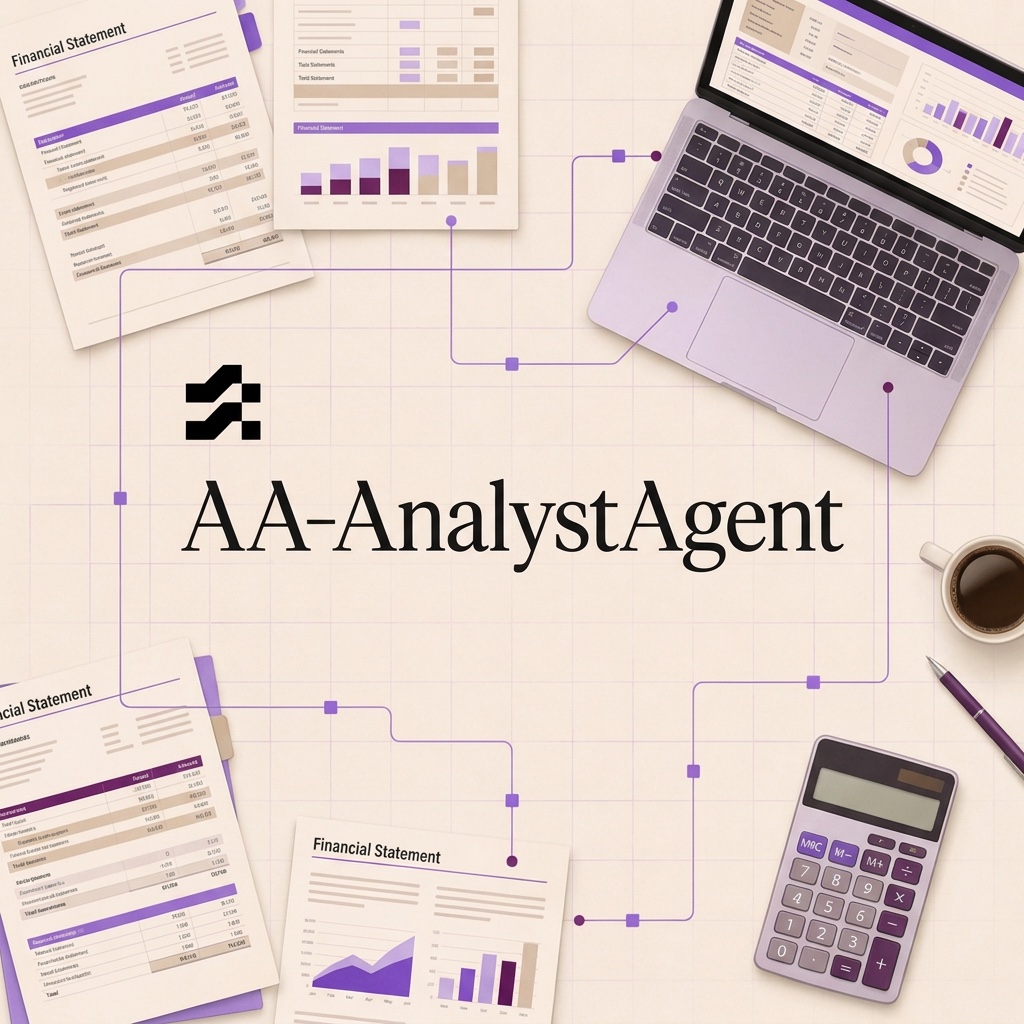
Aa Analyst Agent
Artificial Analysis launches AA-AnalystAgent: 80 private quantitative analysis tasks over real spreadsheets and documents, five runs each, scoring pass^5.
Why it mattersReliability measured as correct on all five attempts shows even the best model solves only 54% of real spreadsheet analysis tasks, a useful bar before trusting analyst agents unreviewed.

Introducing The New Auto Router
A routing update that picks models from what the market actually spends on over the past seven days rather than a task classifier, keeping selections current as models ship.
Why it mattersAuto routing now selects models from the trailing week of aggregate spend across the platform, so new releases are picked up without a classifier retrain.
Simplified onboarding for deepsec
One command now takes a repo from unconfigured to a finished security review.
Why it mattersIf you run AI security review over your repos, setup is now one command with resumable checkpoints — no hand-built workspace, model wiring, or threat-model pass before the first scan.
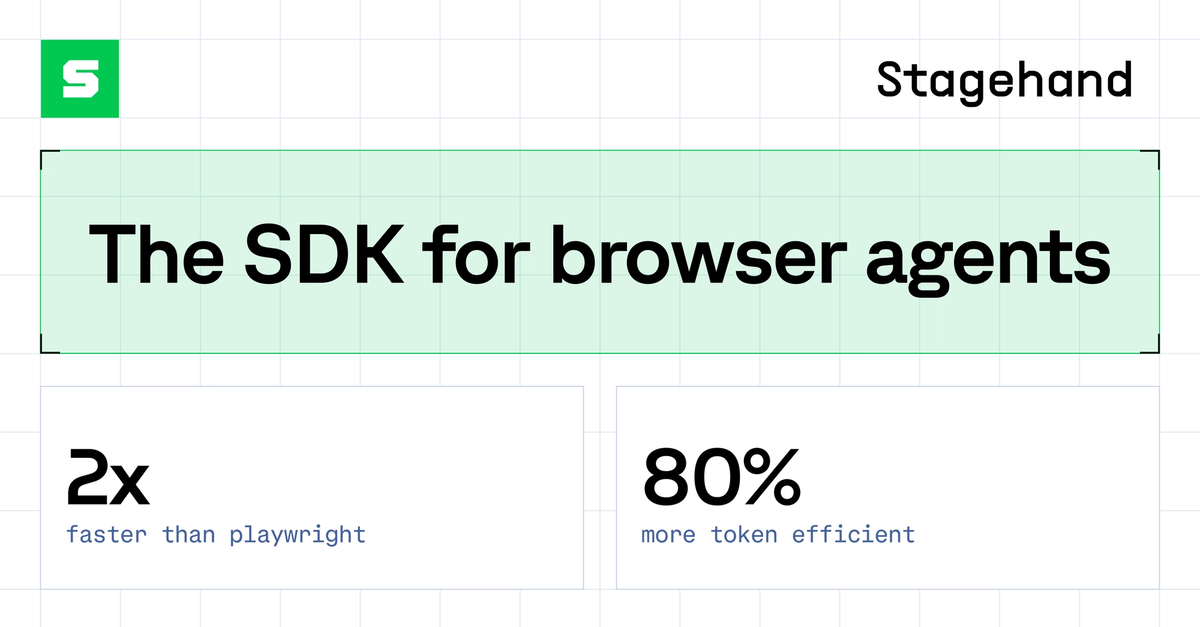
Stagehand V4
Stagehand v4 relocates target management, state and CDP dispatch into a browser extension running beside the page.
Why it mattersExplains why remote browser automation races its own mirrored page state, and moves that state next to the browser; Python and Go SDKs now match TypeScript feature for feature.

Muse Glimmer
Artificial Analysis benchmarks Meta's Muse Glimmer, a 30B Apache 2.0 open-weights model scoring 35 on the index.
Why it mattersA 30B Apache 2.0 model that runs at full context on one H100 or at 4-bit on a high-end laptop, but its agentic knowledge work score is below its size class.
Quoting Claude Opus 5 system prompt
An excerpt from Claude Opus 5's system prompt covering the June 2026 export-control suspension of Fable 5 and Mythos 5 and their restoration on 1 July, events after the training cutoff the model is told to confirm matter-of-factly.
Why it mattersModel availability changed under an export-control action and was restored — and the system-prompt text shows the pattern labs use to correct post-cutoff knowledge, which anyone maintaining their own prompts can copy.
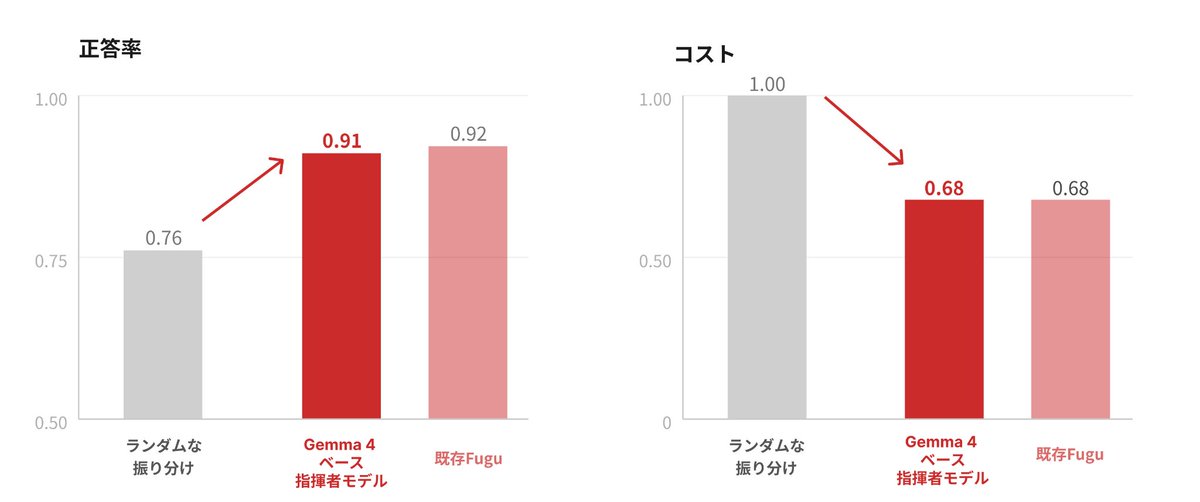
Sakana retrains Fugu's conductor on open Gemma 4
Sakana AI trained the conductor model behind Fugu on Gemma 4 E2B instead of Qwen and reports matching accuracy and cost savings on its internal held-out set.
Why it mattersIt shows that a learned orchestrator can be moved to a different open base model without losing quality, which matters if you need to control model provenance or sovereignty in a multi-model setup.
ベースモデルに依存しないオーケストレーションに向けて:Gemma 4版 Sakana Fuguの検証
Sakana AI retrained Fugu's conductor, the small model that decides which pool model handles each request, on a Gemma 4 E2B base and reports accuracy and cost savings on par with its existing conductor.
Why it mattersThe routing layer of a multi-agent system need not be tied to one base model.
GitHub Models is now retired
GitHub Models has been retired, removing the unified LLM API whose main draw was that code running in GitHub Actions could execute prompts with the token already present in the environment.
Why it mattersAny Continuous AI workflow calling GitHub Models is now broken; this names the error, the cause, and the migration path.
SQLite compressed text-history prototypes
A prototype for storing revision histories by keeping every prior version in one JSON array of strings and compressing the whole thing with zlib or zstd, on the theory that all the repeated text compresses away.
Why it mattersGives a cheap, testable alternative to row-per-revision history, and a readable example of driving a model from unstructured thinking to a working prototype.
Multiplayer agentic engineering — Arjun Singh, Superconductor
Superconductor left a meeting bot listening in a Google Meet for four hours.
Why it mattersLays out what has to be true infrastructurally before non-developers can safely trigger agent work, including the network-sandbox and least-privilege reasoning most teams skip.

Guide, Verify, Solve — Anirban Chatterjee, Sonar
A Carnegie Mellon study found the productivity gain from AI-written code ran out after about three months while the static analysis warnings and added complexity stayed.
Why it mattersGives anyone shipping agent-written code a specific architecture for review, plus evidence that human eyeballing alone does not hold the line.

Velocity Sickness: What Happens When Your Whole Team Gets 10x Faster — Matt Dailey, Ref.
A newsletter writer built an agentic pipeline good enough to amplify rather than flatten their voice, and was soon writing a book a week.
Why it mattersA workable answer to the coordination problem teams hit once every engineer is running several agents at once.
An index of the vibe-coding frontier. Corrections welcome.