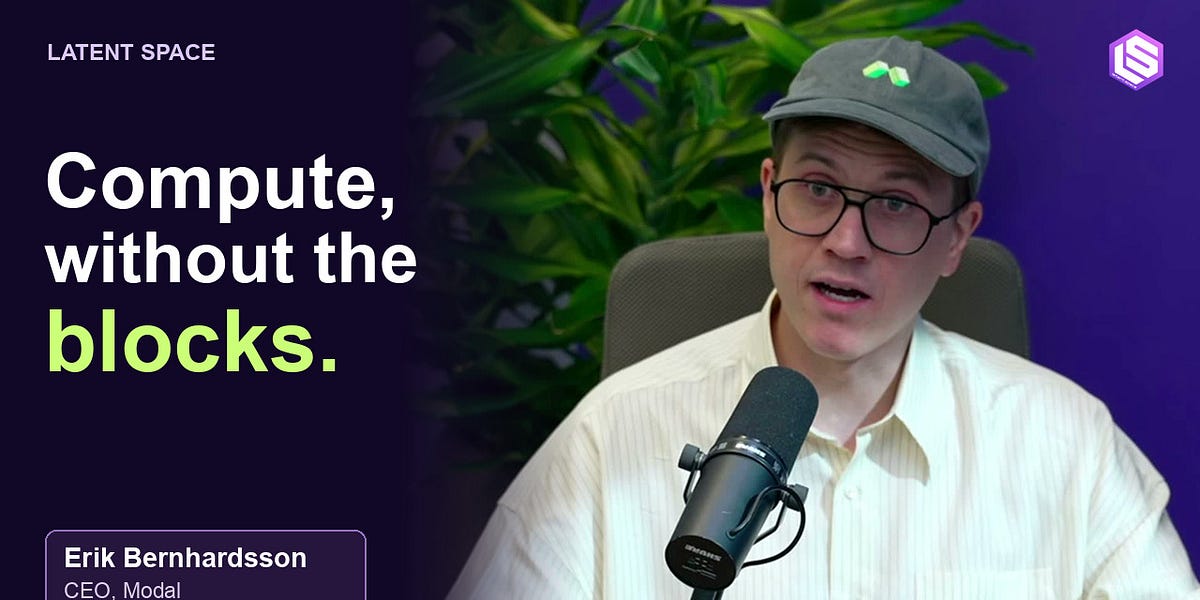
Why AI Infrastructure must evolve for Agent Experience — Akshat Bubna, Modal CTO
- Source
- latent.space
- Author
- Latent Space
- Date
Context
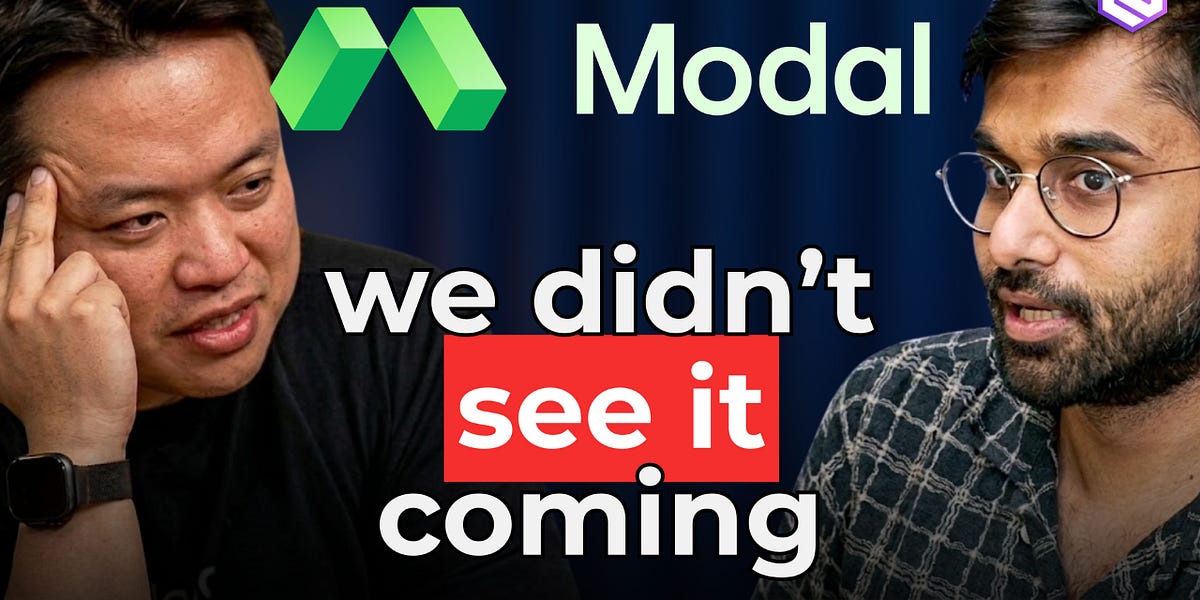
Production agents need control over the environment where their code runs. Modal's CTO describes requirements such as keeping files between runs, restoring saved environments and controlling network access. He calls managed services from model labs a good start, but says production agents need more control. His interview explains why Modal focuses on configurable sandboxes, isolated environments for executing work.
He also argues that permissions at this level need enforced boundaries, with AI judgment operating alongside them. The distinction matters when an agent chooses its own next action: the model can propose an operation, while the execution environment determines whether that operation is allowed. This is his design argument for production infrastructure, rather than a reported security test.
“The old infra stack was designed for a human who could read docs, reason through YAML, and understand dashboards to figure out what they need when something broke.”
“They need a place to write code, run it, inspect the output, change the environment, debug failures, and try again.”
“Fast iteration and feedback loops with all the necessary context are crucial for agents to operate properly.”
“Furthermore, sandboxes are a clear representation of this shift as agents can easily spin up isolated environments.”


Checking sign-in…
Loading comments…