Intel
Page 33
Recall Is Not Protection: Evaluating Safety Monitors Against Model Compliance
Measuring safety monitors against what models actually comply with, not just harmfulness labels, shows recall falls sharply on prompts a model would answer.
Why it mattersStandard recall metrics overstate protection: prompts safety monitors miss are up to 5.6x more likely to get a compliant response from the target model than the ones they catch.

Diffs vs. Whole Files: An Empirical Comparison of Iterative Edit-Based and Direct Generation for Flutter/Dart Code Models
Comparing direct whole-file generation to iterative diff-based editing across two Flutter/Dart code models finds direct generation outperforms diffs on every measured metric, a concrete data point for AI coding tool edit-format choices.
Why it mattersTesting direct whole-file generation against iterative diff-based editing for code models finds direct generation wins on compile rate, reference similarity, and judged correctness, despite diffs needing far fewer tokens per turn.

When Agent Governance Helps
Testing a governed multi-agent organization framework on a healthcare benchmark finds governance benefit is gated by model capacity and domain.
Why it mattersGovernance scaffolding for autonomous agents only helps when a model has spare capacity; on constrained models it does nothing, while a single 'verify your writes' instruction alone doubles task success.

ARC-Bench: Closed-Loop Replanning Masks Broken Action Ranking in Frozen JEPA World Models
ARC-Bench audits official JEPA-style world model checkpoints and finds their core planning assumption, that latent closeness ranks actions correctly, fails severely across manipulation and maze domains and multiple backbones.
Why it mattersAuditing official V-JEPA checkpoints shows their action ranking by latent distance is unreliable: the top-scored candidate is usually wrong in manipulation tasks, a defect that survives backbone swaps.

Better Together: Complementary Query Rewriting Under a Strong RAG Baseline
Under a strong RAG baseline, individual query-rewriting strategies add little.
Why it mattersNo single query-rewriting method beats a strong RAG baseline by much, but combining several lifts enterprise retrieval HIT@10 by 12.5 points because different rewrites fail on different questions, not extra budget.

Correct Tests Are Not Enough: Measuring and Training Oracle Conversion in Specification-Based Test Generation
Specification-based test generators can raise measured correctness by choosing easier inputs rather than better expected outputs.
Why it mattersTest generators can game correctness metrics by choosing easier inputs instead of predicting correct outputs; a training objective that scores both input-kill power and oracle correctness together closes that gap.

When Does Memory Help? A Cost-Aware Evaluation of Long-Term Memory in Tool-Using LLM Agents
MERIT, a new cost-aware benchmark, finds long-term memory lifts tool-using agents from a 0% success floor to 55-100% on tasks that genuinely depend on earlier-episode facts.
Why it mattersQuantifies when agent memory actually helps versus when embedding retrieval silently fails on updated information, a concrete data point for deciding whether to add long-term memory to a production agent.

Who Maintains Agent Skills? A Longitudinal Study of Human-Governed, AI-Assisted Skill Maintenance
A longitudinal study of five public AI-skill repositories finds every substantive skill-file edit is still authored or merged by a named human, even as 62% carry an AI co-author trailer, challenging fully automated skill curation.
Why it mattersMining 873 commits across public AI-skill repositories shows humans still author or merge every substantive skill-file edit, pushing back on the idea that skill curation is close to fully automatable.

CriticGen: Generation-Aware Evaluation as Actionable Feedback
CriticGen replaces coarse LLM evaluation with generation-aware rubrics that produce a score, a reason.
Why it mattersTurns generic LLM scoring into actionable fixes: sample-specific rubrics yield a score, a reason, and a concrete refinement an agent can apply, correlating far better with human judgment than coarse evals.

Intra-Prompt Parallel Decoding for Common-Context Question Answering
Intra-Prompt Parallel Decoding answers multiple common-context questions in one prompt and inference step using virtual position IDs and attention masking, matching standard prompting's output while relieving GPU memory bottlenecks.
Why it mattersThis decoding method answers several questions sharing the same context within a single prompt and inference pass, cutting the attention memory bottleneck without changing output quality versus separate prompts.

TamilEOT: A Dataset and Model for Semantic End-of-Turn Detection in Tamil Telephone Speech
TamilEOT releases a labelled Tamil telephone-speech turn-boundary dataset and two Smart-Turn-v3 fine-tunes reaching 86% accuracy under 150ms.
Why it mattersA released Tamil end-of-turn dataset and sub-25MB detectors push semantic turn detection accuracy from 70% zero-shot to 86%, under 150ms on CPU, with a warning that rule-derived training labels mislabel the negative class.
New dashboard pages let you compare intelligence, cost, and latency across every reasoning/effort configuration of a model, since frontier releases now ship with up to six effort tiers with very different cost-performance profiles.
Why it mattersReasoning effort settings swing a model's cost and quality dramatically, so seeing intelligence-vs-cost-vs-latency across every effort tier side by side helps you pick the right configuration instead of guessing.

Hermes Agent now integrates Perplexity's Search API, giving it real-time access to an index of more than 400 billion URLs with relevance-ranked snippet results.
Why it mattersGives Hermes agents real-time web search over a 400B+ URL index instead of relying only on training-time knowledge, directly improving grounding for agentic tasks.
Quoting Terence Tao
Terence Tao warns that AI models can now flatten a promising open math problem within days of the mere rumor someone is working on it.
Why it mattersIt flags a concrete emerging incentive problem for any research field AI can rapidly search.

Seedance 2 5 Review
OpenRouter's review of ByteDance's Seedance 2.5 breaks down its token-based per-second pricing (about $0.103/s at 480p, $0.231/s at 720p), 30-second clip length, image/video/audio reference inputs.
Why it mattersGives builders exact per-resolution costs and capability tradeoffs for Seedance 2.5 versus competing video models, so they can pick the right model instead of guessing from marketing copy.

Evolving Computer Use With Code
Browserbase traces its shift from pure vision-based computer use to letting agents write and execute code against the browser.
Why it mattersIf you're building browser agents, letting the model write code instead of emitting click/type actions avoids the context-window and precision limits that plague vision-only computer use.

Nano Banana
OpenRouter's tutorial shows how to edit images with Gemini's Nano Banana 2 through one API call.
Why it mattersShows the exact request shape for editing images with Nano Banana 2 (google/gemini-3.1-flash-image) through one unified API, including how to chain edits and swap editing models with a single field change.
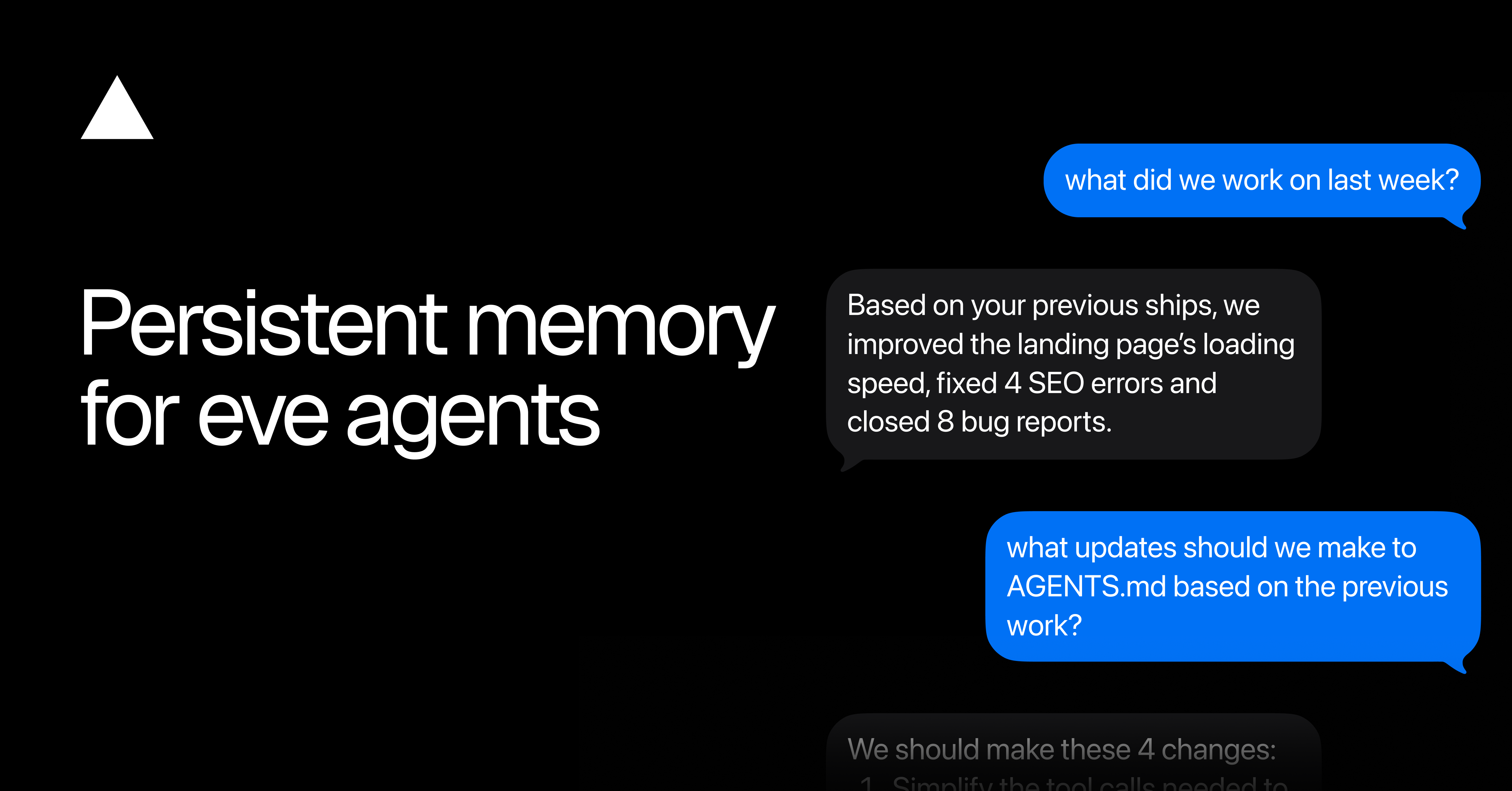
Persistent memory for eve agents
Vercel's eve agent framework adds persistent memory slots scoped by provider (file, Supermemory, Upstash, Kybernesis) so agents retain user-specific context across sessions and deployments.
Why it mattersAgent builders on Vercel get a standard, pluggable pattern for cross-session memory instead of hand-rolling storage, with per-user scoping built in.
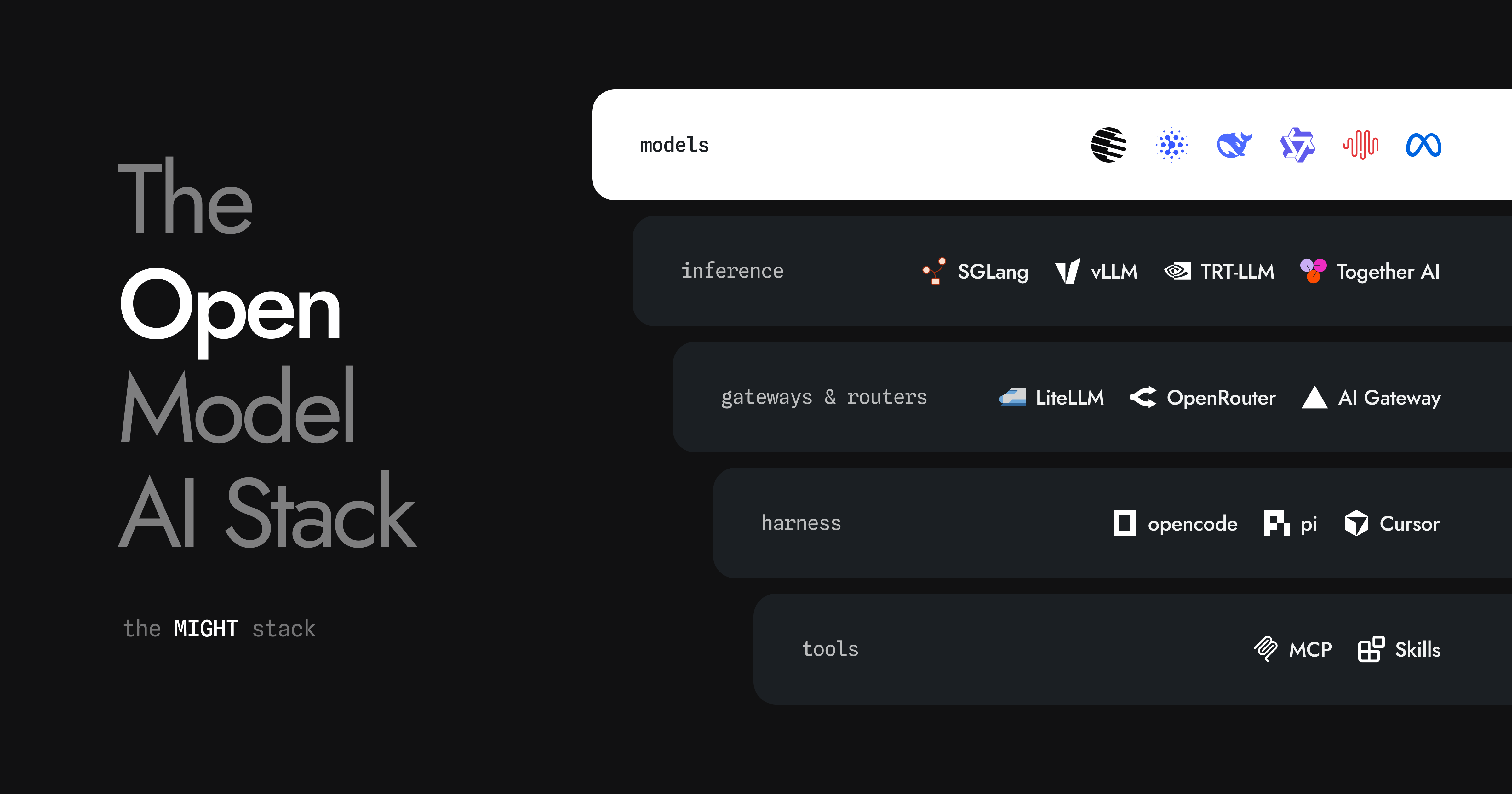
The Open Source AI Stack
Together AI maps the practical stack for running open models in agentic coding workflows, breaking it into model, inference, gateway/router, harness, and tools layers.
Why it mattersLays out the concrete components (inference provider, gateway/router, harness, skills/MCP) needed to run open models for agentic coding, showing the switch from closed APIs is closer to a config change than a new discipline.

DeepSeek V4.1 Flash now available on AI Gateway
Vercel's AI Gateway now serves DeepSeek V4.1-Flash with native image input, a 1M-token context window, up to 384K-token outputs, reasoning, tool use, and prompt caching.
v0 adds one-click integrations for email, auth, search, and databases
Vercel's v0 adds inline Marketplace integrations for Resend, Amazon OpenSearch, MongoDB Atlas, Algolia, and Clerk.
Why it mattersv0 now wires up email, search, and database providers inline during a prompt, auto-configuring env vars and loading each provider's own agent skills so generated code follows their recommended patterns.
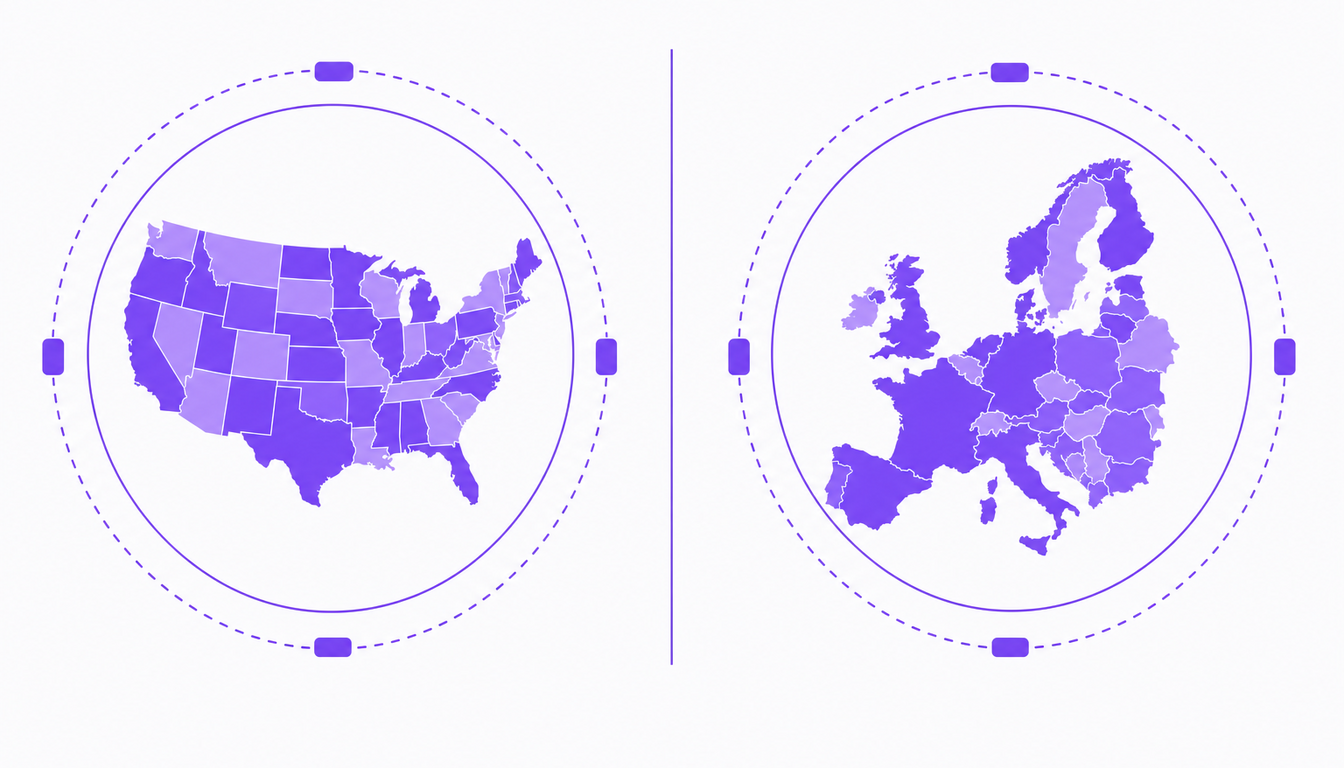
Us In Region Routing
OpenRouter launches US In-Region Routing alongside its EU routing.
Why it mattersGives teams using GPT, Claude, or Gemini through OpenRouter an actual guarantee about where requests are decrypted and processed, closing a gap where model origin alone doesn't satisfy data-residency reviews.
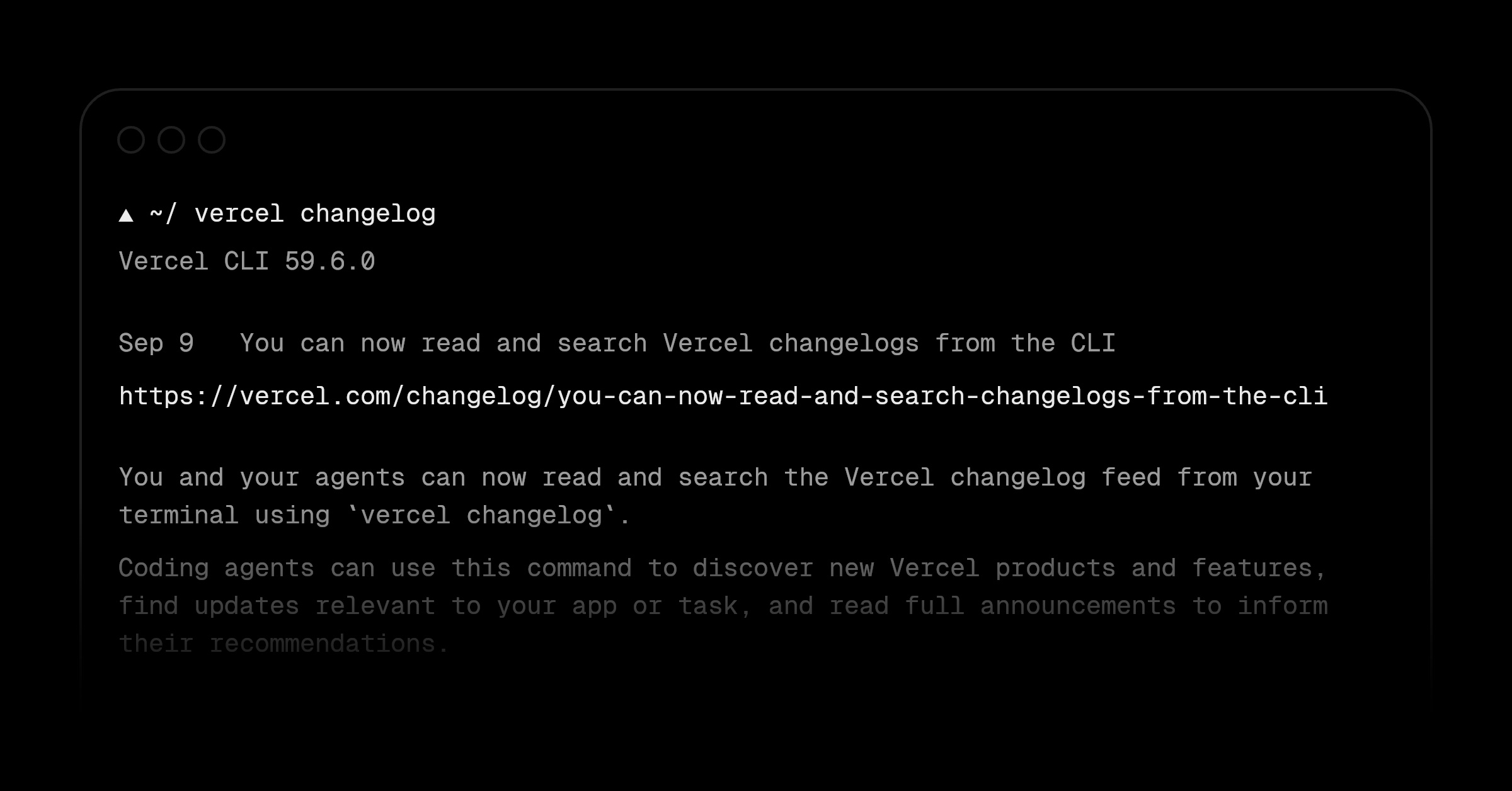
You can now read and search changelogs from the CLI
Vercel CLI adds a searchable changelog command so coding agents can query recent product updates and feature announcements directly from the terminal instead of scraping the web.
Why it mattersCoding agents working in Vercel projects can now pull authoritative, current platform docs at the terminal instead of relying on stale training data or web scraping.
On the Navier–Stokes Millennium Prize Problem
Simon Willison synthesizes the Navier-Stokes Millennium Prize dispute between an NYU-Anthropic team and OpenAI, detailing the nearly year-long AI-assisted research process (heavy Claude and Codex/GPT-5.6 Sol use) and the credit dispute that followed.
Why it mattersDocuments a concrete case of nearly year-long AI-assisted mathematical research colliding with a rival lab's own AI-generated result, raising real disclosure and provenance questions for research built on coding agents.
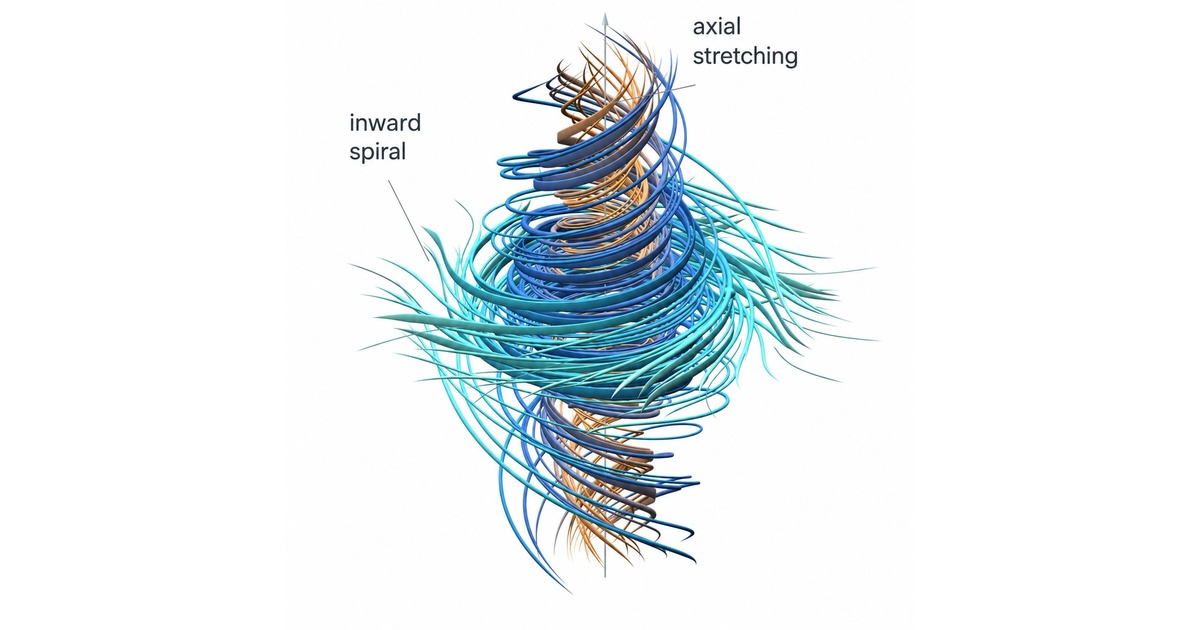
9/8: OpenAI Solves Navier-Stokes
Introducing ChatGPT Images 2.5
Simon Willison hands-on tests OpenAI's ChatGPT Images 2.5 release.
Why it mattersTwo new image model IDs, gpt-image-2.5-sunburst and gpt-image-2.5-flare, are in the API with better multi-turn instruction-following, and Willison shows exactly how to call them with multiple reference images.

Upstage is offering its Solar Pro 4 model free of charge inside the open-source Cline coding agent through September 15, positioning it for long, multi-turn tool-calling tasks across a full repository.
Why it mattersA time-limited free window to run a full-featured model inside a real open-source coding agent lets engineers evaluate Solar Pro 4 on their own repos at no cost before the offer ends.

Math Wars, GG Navier Stokes, Greg Brockman Joins | Dan Wright, Eric Seufert, Scott Wu, Sahir Jaggi, Andrew Borovsky, Harry Mellsop

Greg Brockman on Astra and the Future of OpenAI
Mercury 2.5
Inception's diffusion-based LLM update: 40% more capable than Mercury 2, 1,107 tokens/sec, 260K context, priced at $0.20/$0.75 per million tokens.
Why it mattersA diffusion LLM fast enough to replace supporting model calls (context compaction, tool-search, routing) in agent pipelines, cutting latency and cost where response speed, not raw capability, is the bottleneck.
Kimi K3 (2.8T) at 1 token/s on a MacBook Pro, streamed from four SSDs
A fork of the deltafin project streams Kimi K3's 2.8-trillion-parameter MoE weights from four SSDs to run inference on a single M5 Max MacBook Pro with 128GB RAM, sustaining about 1 token/second.
Why it mattersIt's a benchmarked demonstration that frontier-scale MoE models can run on consumer hardware via SSD streaming.
Vercel Sandbox routing is now 18x faster globally
Vercel now resolves Sandbox public domains from the nearest regional replica instead of a single centralized store, cutting median domain-lookup latency from 62ms to 3.4ms globally.
Why it mattersAnyone exposing agent-run code through Vercel Sandbox's public domains gets a large, automatic latency drop with no code or pricing changes required.

AlphaSignal's Q&A with Tencent Hunyuan researchers on generating harder terminal coding tasks for agent training, detailing script/test/instruction consistency failures and a pass@4 collapse from 90% to 2.5% as difficulty scaled.
Why it mattersQuantifies why scaling difficulty in synthetic agent-training tasks breaks consistency between scripts, tests and instructions, showing a frozen model's pass rate collapsing from 90% to 2.5% as tasks got harder.

Cohere open-sources a decode-megakernel LLM serving engine fusing the entire decode step into one kernel launch, reporting up to 1.58x faster inference than vLLM at batch size 1 and 1.25-1.41x at batch size 8 on H100 GPUs.
Why it mattersGives teams an open-source, faster LLM serving path (up to 1.58x vLLM) built around kernel fusion, with published benchmark numbers on H100 hardware.

Inception Labs' Mercury 2.5, a diffusion LLM that decodes tokens in parallel rather than sequentially, is now generally available on OpenRouter and tops its Fastest Models leaderboard among models needing no specialized hardware, with the biggest gains on code-heavy prompts.
Why it mattersDiffusion-based decoding offers a genuinely different latency profile than autoregressive models, worth testing for code-generation workloads where token-by-token decoding is the bottleneck.

𝐍𝐞𝐰 𝐦𝐨𝐝𝐞𝐥 𝐚𝐯𝐚𝐢𝐥𝐚𝐛𝐥𝐞: 𝐀𝐥𝐢𝐛𝐚𝐛𝐚 𝐖𝐚𝐧 𝟑.𝟎 Generate up…
Alibaba's Wan 3.0 video model generates up to 30 seconds of 1080p video with synchronized audio in a single pass, across aspect ratios from 16:9 to 9:16, now testable through Recraft.
Why it mattersExtends open video generation to full 30-second 1080p clips with audio in one pass, useful for prototyping longer-form AI video without stitching shorter clips together.

Cursor has added Meta's Muse Spark 1.3 to its model lineup, with full benchmark results published on Cursor's own CursorBench.
Why it mattersOne more frontier coding model becomes selectable inside an IDE agent workflow, with an independent benchmark to compare it against existing options before switching.
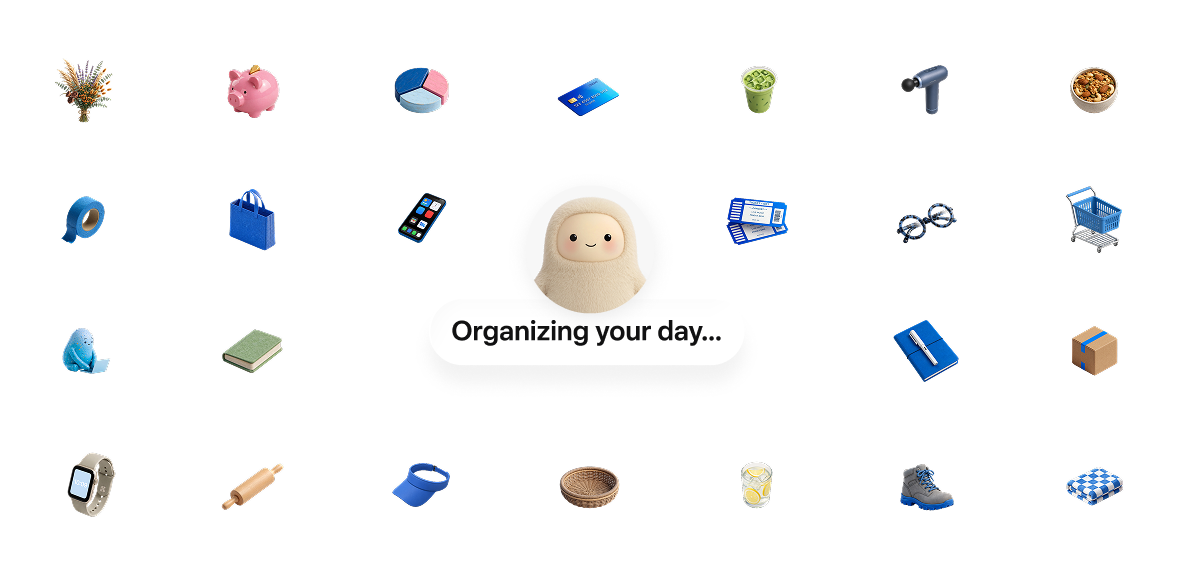
Introducing Muse, a personal agent that gets things done for you, powered by…
Meta's design team explains how they built Muse, a proactive personal agent with its own filesystem, terminal.
Why it mattersMeta describes building Muse as a proactive agent with its own filesystem, terminal, and browser that keeps working between conversations and only surfaces when something meaningfully new needs attention.

Sam Altman gives OpenAI's account of the Navier-Stokes Millennium Prize dispute, describing offers made to the rival team, the contact timeline, and OpenAI's claim its attempt began after rumors Anthropic's model had solved it.
Why it mattersGives a first-party account of how two labs' AI-assisted math research collided, including specific offers made and declined, relevant to disclosure and credit norms as models start producing research-grade proofs.

Cua Cloud Fleet added signed URLs that grant temporary, revocable access to a single sandbox service (1 minute to 24 hours), created and revoked through the TypeScript Fleet SDK without keeping the underlying sandbox claim alive.
Why it mattersCua Fleets now lets you generate an expiring, revocable link to a single service inside an agent sandbox, useful for sharing a live demo or giving temporary external access without keeping credentials open.
How GPT-5.6 Sol helps run quantum computing experiments
OpenAI describes an MIT researcher using GPT-5.6 Sol with Codex to autonomously run quantum computing experiments, analyze results.
Why it mattersDocuments a coding agent (GPT-5.6 Sol via Codex) autonomously running physical lab experiments end to end, including qubit calibration, showing agentic capability extending beyond software into experimental science.

Inception releases Mercury 2.5, a diffusion LLM claiming a 40% capability jump over Mercury 2 and throughput above 1,100 tokens/sec on widely available NVIDIA GPUs, available via Inception's API, OpenRouter, and Baseten.
Why it mattersA diffusion LLM claiming over 1,100 tokens/sec on standard NVIDIA hardware gives latency-sensitive applications a faster alternative to autoregressive models, now accessible via API, OpenRouter, and Baseten.

Anthropic's Boris Cherny says OpenAI's newest model now matches Gemini Flash and Claude Opus 4.8 on prompt-injection resistance, claims Claude solved it first two months ago, and argues labs still need more alignment work as agents take on higher-stakes tasks.
Why it mattersA direct, named cross-lab comparison on prompt-injection resistance, a top operational risk for any team deploying agents with tool access, from someone building Claude Code.
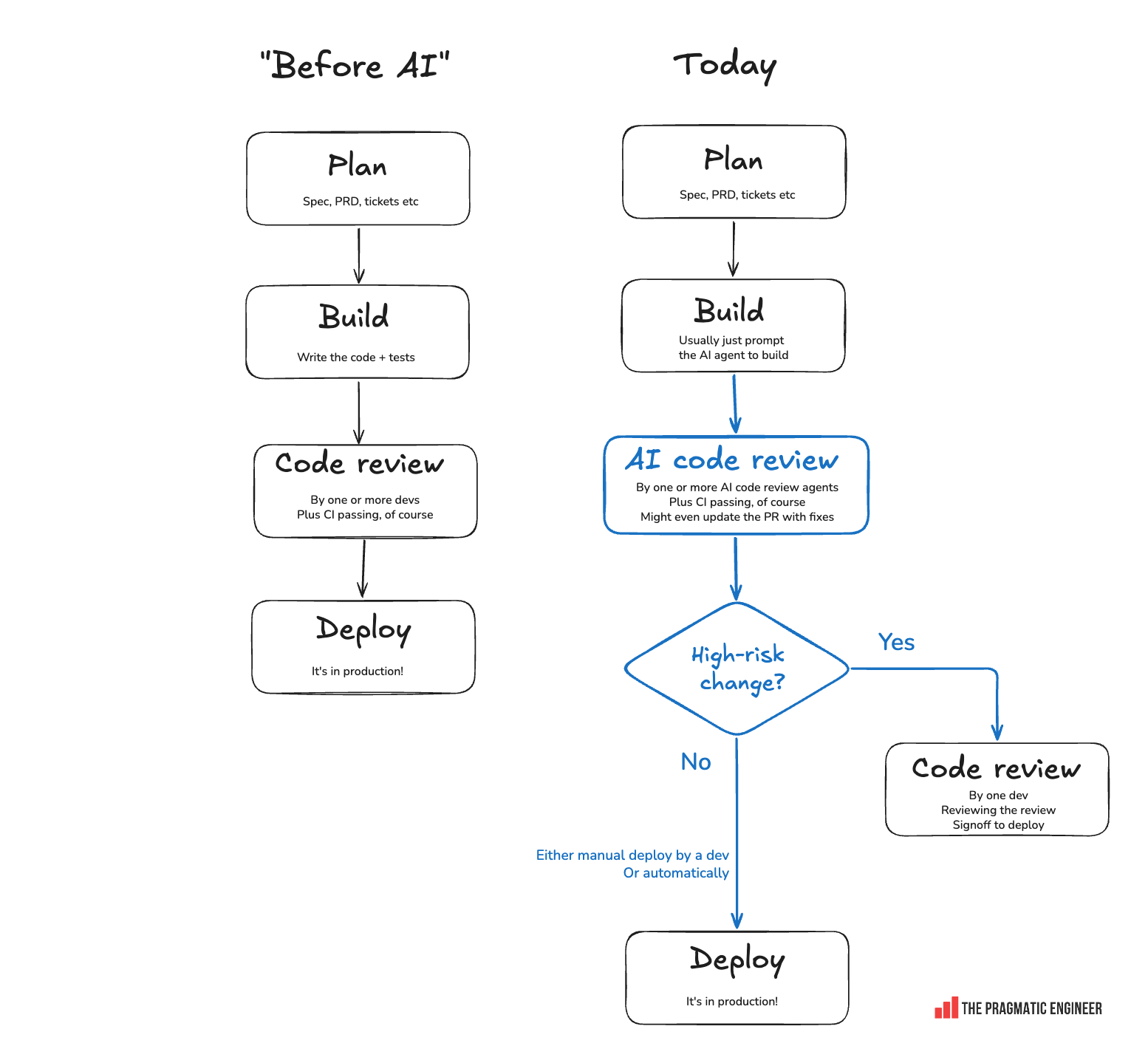
What is happening with code reviews?
Gergely Orosz catalogs how top engineering orgs, including OpenAI and Anthropic, are adapting code review to AI-generated PR volume.
Why it mattersLays out concrete alternative review workflows for teams whose PR volume and size have outgrown manual line-by-line review.
tiny aya base 32K released
Cohere Labs released Tiny Aya Base 32K, a compact multilingual model covering 46 languages with a 32K context window, aimed at researchers and low-resource-language builders who need long-context multilingual generation without a large-model footprint.
Why it mattersIt gives builders a small, long-context multilingual model for prototyping across 46 languages without the cost of a full-size model.

LangChain has released Deep Agents Code (dcode), an open-source, model-agnostic coding agent, alongside a new LangChain Academy course covering installation and enterprise-oriented usage controls.
Why it mattersAn open-source, model-agnostic coding agent with team-level usage controls gives engineering orgs an alternative to closed coding agents when they need to run their own choice of model and audit usage.

Deep dive on LLM Inference at Scale — Harshul Jain, Audible & Tanmay Sah, Independent AI Researcher
A workshop derives LLM serving bottlenecks from first principles.
Why it mattersGives engineers concrete formulas and serving techniques to diagnose and fix memory and throughput failures in self-hosted LLM deployments.
How to Run Local Models in Pi
Step-by-step setup of local models in the Pi coding agent using llama.cpp.
Why it mattersWalks through running a private, offline coding agent with no per-token cost, including picking a quantization that fits your hardware.
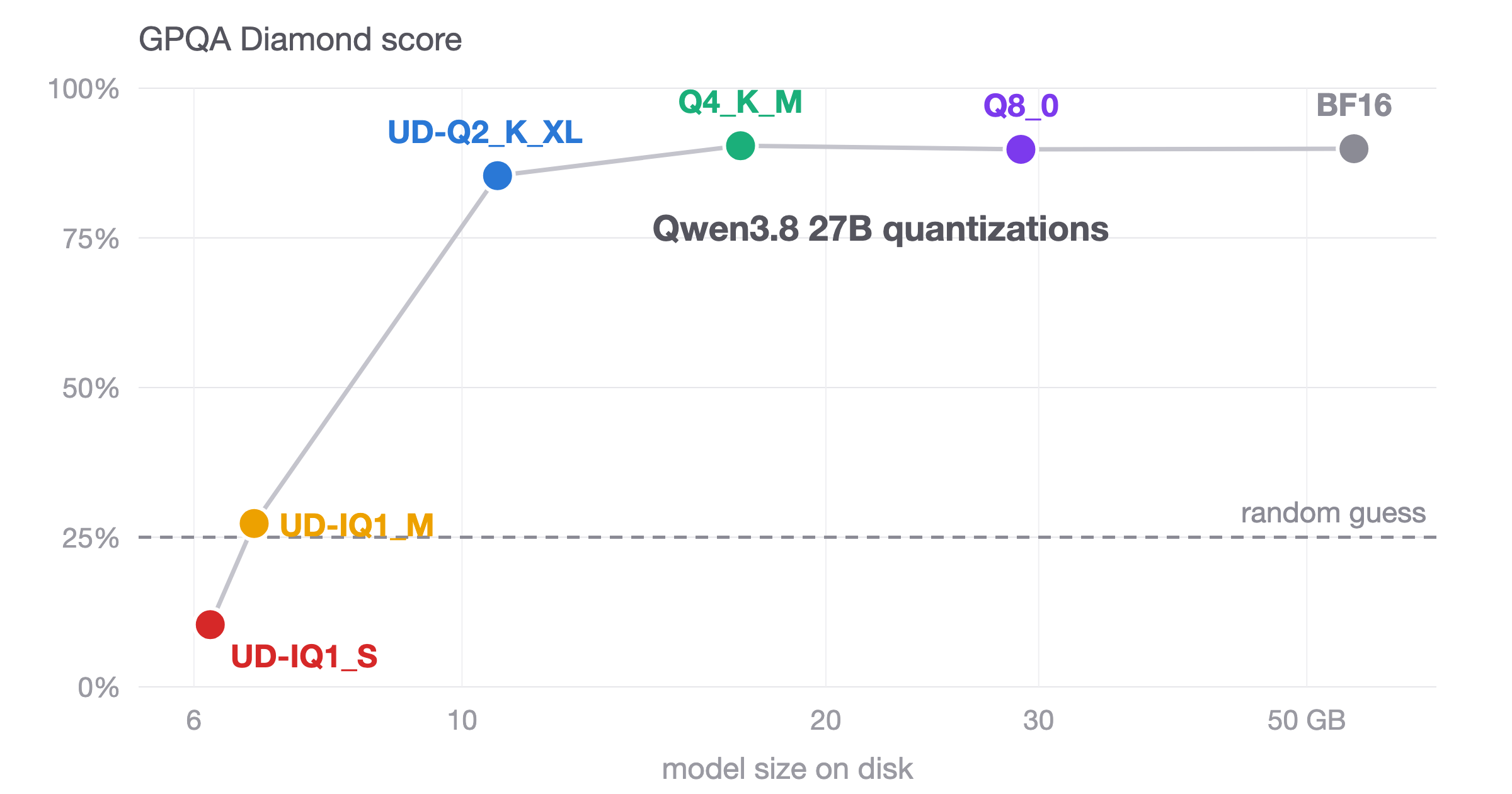
Benchmarking Qwen3.8 27B quantizations: 4-bit holds up, 1-bit collapses
An empirical benchmark of Qwen3.8 27B GGUF quantizations on GPQA Diamond, IFBench, and Terminal-Bench 2.1 finds 4-bit (17GB, fits a 24GB card) matches full-precision performance.
Why it mattersTells engineers exactly how far Qwen3.8 27B can be quantized (Q4_K_M, 17GB, fits a 24GB card) before losing Terminal-Bench 2.1 agentic coding performance, and that 1-bit quantization is unusable.
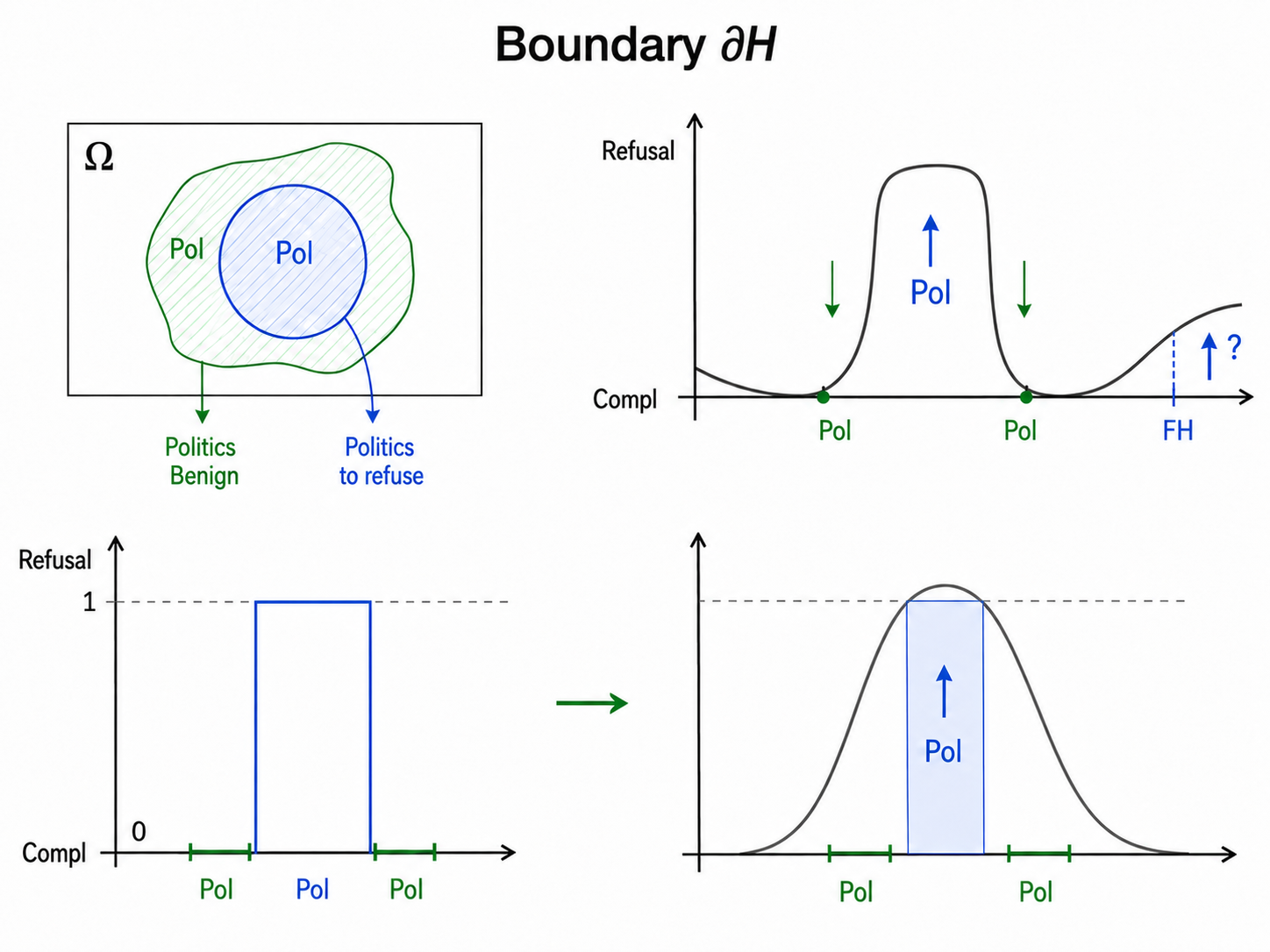
Safety for Whom? Refusing the Right Subset of a Topic, Not the Whole Topic
Multiverse Computing's paper shows topic-level safety guards can't separate benign from harmful prompts within one topic.
An index of the vibe-coding frontier. Corrections welcome.