Intel
Page 16
Recursive Language Models Generalize Out of Domain
A theoretical and empirical study finds recursive language models.
Why it mattersArgues that isolating subtasks into separate contexts, rather than one long chain-of-thought, prevents models from exploiting spurious in-context shortcuts, supporting sub-agent/recursive decomposition patterns for out-of-domain robustness.
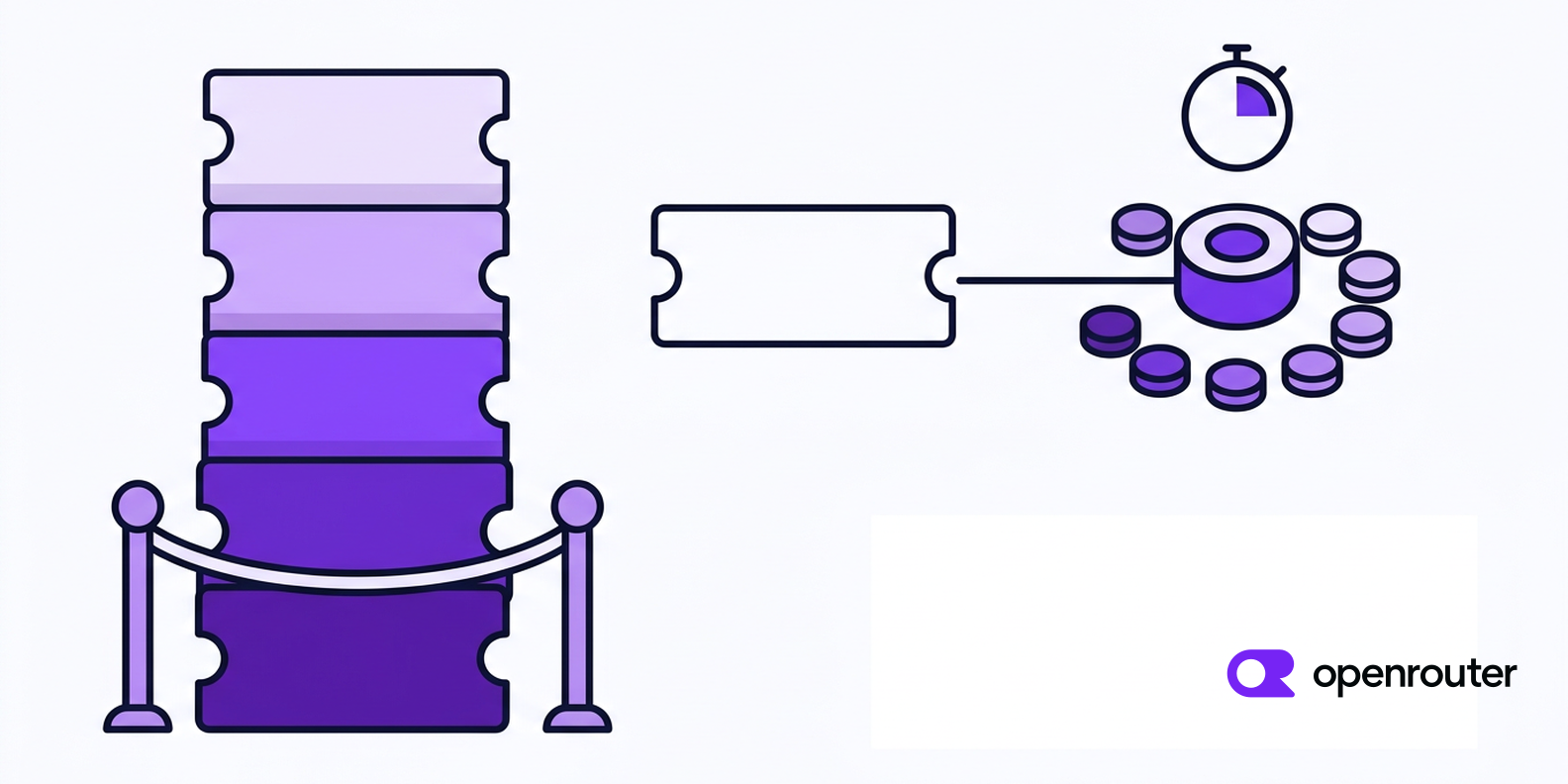
Descript Model Evaluation Queue
OpenRouter's case study on Descript shows how a Claude Tag Slack integration lets anyone trigger model evals and open a PR from a Slack message, cutting the team's evaluation cycle from a week-long engineering queue to about two hours per new model.
Why it mattersIt shows a working automation pattern for testing new model releases within hours instead of days, letting teams treat model choice as an empirical, continuously-updated decision instead of a one-time integration cost.

Grok 4.7 now available and 40% off on AI Gateway, fx, and eve
Grok 4.7 lands on Vercel's AI Gateway with a 500K token context window and four reasoning levels (low to xhigh), at 40% off through September 27, usable via the AI SDK, OpenAI-compatible API, or coding agents like Cursor, Codex and Amp.

MiMo V2.6 models now available on AI Gateway
Xiaomi's MiMo V2.6 family (Pro, Flash, and a 20x-faster Pro UltraSpeed variant) is now on Vercel's AI Gateway, combining coding, reasoning.
Why it mattersMiMo V2.6's 1M-token context and three serving tiers, including a 20x-faster UltraSpeed option, give builders a concrete tradeoff between throughput and latency for long-running multimodal agent work.

Paradigma releases Limite 1B - Violetto, a small open-weight math reasoning model
Paradigma released Limite 1B - Violetto, a 1B-parameter math reasoning model trained on under 300B tokens that it says scores 74.25% on BeyondAIME versus 70% for the 30B MUSE-Glimmer model, released with weights, evals.
Why it mattersParadigma's 1B-parameter Limite model reportedly beats a 30B model on BeyondAIME (74.25% vs 70%) using under 300B training tokens, a notable efficiency claim for anyone evaluating small specialist math models.

AI Gateway now supports TypeSafe clients and an HTTP API for Jev
Vercel's AI Gateway adds an HTTP API and native TypeSafe client support for the Jev decision model, alongside its existing AI SDK path, unifying billing and usage tracking across all three integration routes.
Why it mattersTeams already using a typed decision-model client can route those calls through the gateway by swapping only the base URL, and any language can call it directly over HTTP, unifying billing and observability with other model calls.
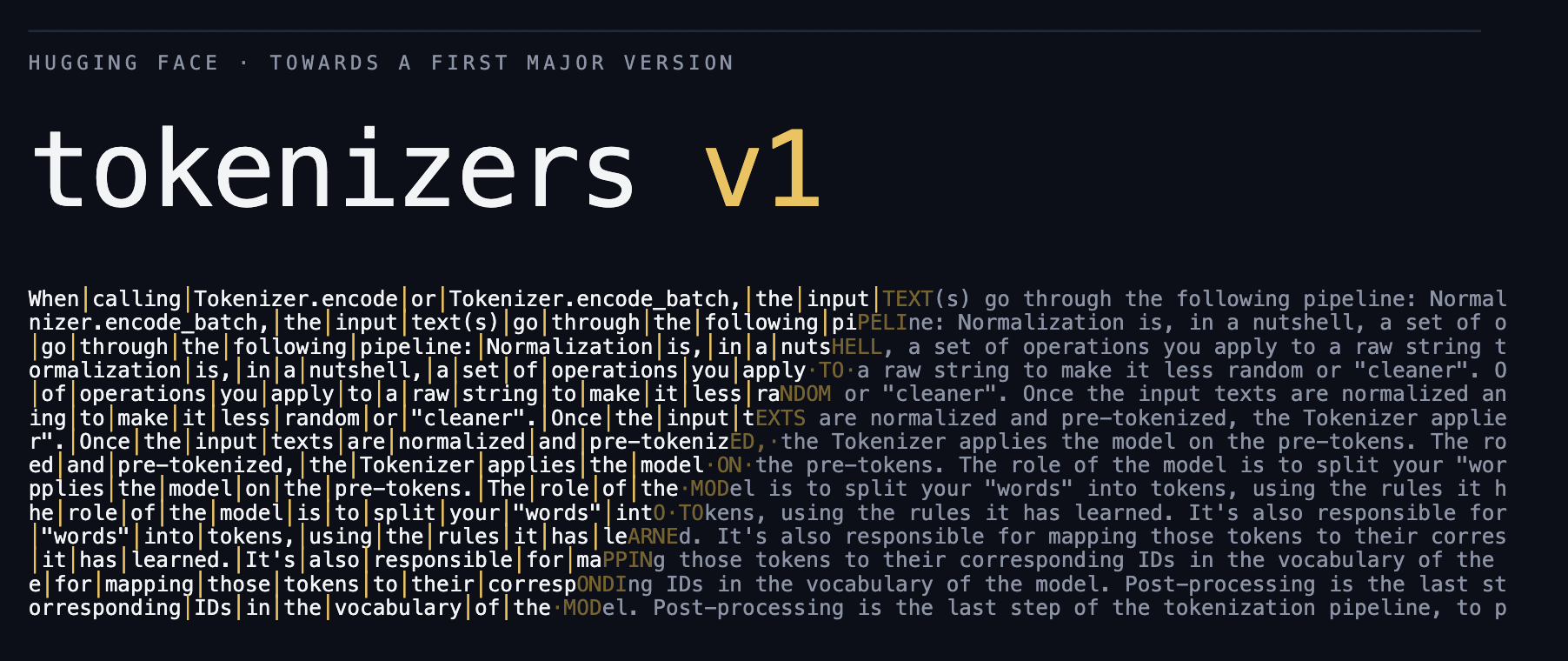
tokenizers v1: encode, decode and scaling, measured
Hugging Face explains how tokenizers v1 achieves encode/decode speedups often exceeding 10x over v0.23, aimed at keeping GPUs fed during large-scale LLM training and serving.

What Is Jev
Browserbase explains Typesafe's Jev decision models.
Why it mattersExplains a distinct pattern for cheap, structured decisions (routing, scoring, yes/no calls) that avoids full LLM inference cost wherever an agent pipeline needs fast typed judgments instead of free text.

Helix
Shopify explains Helix, the checkpointed toolchain guiding LLMs through migrating its 300-screen app from React Native to native Swift and Kotlin, breaking the work into small gated steps instead of one large speculative rewrite.
Why it mattersHelix demonstrates a concrete pattern for keeping LLM-generated code shippable: gate small checkpoints, learn from the engineer, and automate more only once the agent proves trustworthy.

Quoting voxium
A worker describes a team where every spec, ticket, PRD, and report is drafted by Claude Code, management treats shipping as costless.
Why it mattersIt shows what happens when an org treats AI-generated code as costless: engineers spend 12-13 hour days approving Claude Code output nobody reads, a real failure mode in fully agentic workflows.
MCP was always a bad idea?
Willison argues MCP's real value appears once an agent needs scoped access control, isolated credentials, a connection UI.
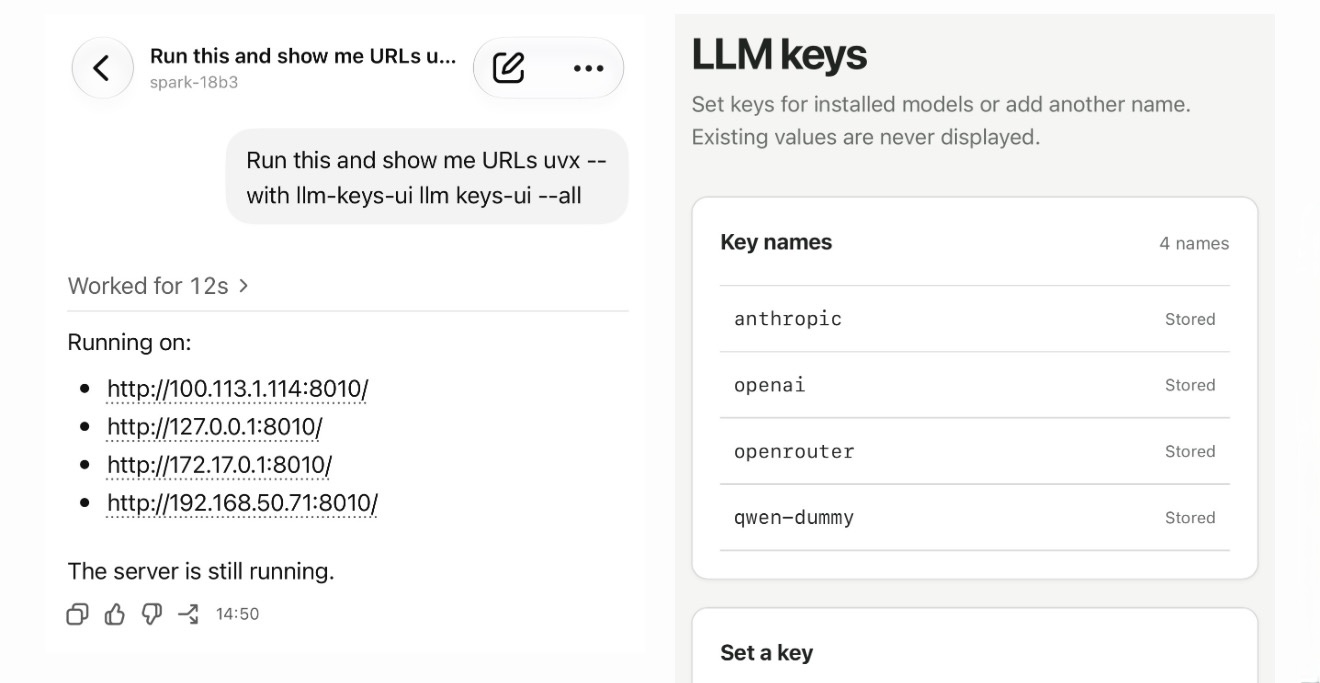
llm-keys-ui 0.1
Simon Willison built llm-keys-ui, a plugin that spins up a local web page for entering API keys on a headless machine running a remote coding agent.
Why it mattersllm-keys-ui gives a headless machine running a remote coding agent a local web page for entering API keys, so keys never have to be pasted into an agent chat session, a small but concrete secure-ops technique.
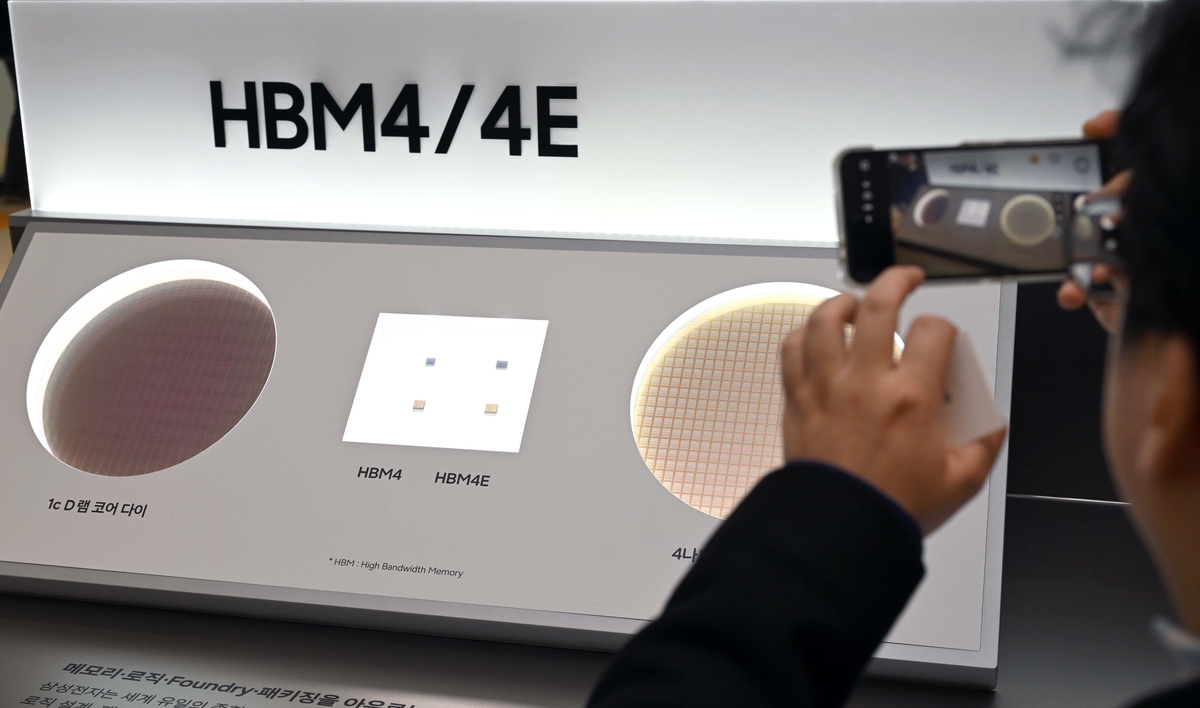
Samsung is expected to more than double output of its HBM4 and HBM4E DRAM
Samsung plans to more than double HBM4 and HBM4E output next year, shifting monthly wafer capacity toward 250,000 and moving 80% of production to the newer HBM4 family, a supply-chain signal for AI accelerator memory.
Why it mattersSamsung is set to nearly double HBM4/HBM4E output next year, lifting wafer capacity toward 250,000/month, a real signal for AI accelerator memory supply and pricing.
Autopoiesis: Concept for AI platforms shipped with repos
An engineering manager proposes 'Autopoiesis'.
Why it mattersSketches a concrete pattern for standardizing AI harness configuration across a team instead of everyone hand-tuning their own agent setup, backed by a working ~20KB POC.
StoreReady, which AI app builders clear App Store review
A sourced comparison of 14 AI app builders, rating each on whether it reaches actual App Store submission, who controls the developer account, and what caveats apply.
Why it mattersCuts through marketing claims by sourcing, for 14 AI app builders (Rork, Bolt.new, Lovable, FlutterFlow and others), whether each actually produces an App-Store-ready binary, who controls the developer account.
AI Hack Watch - timeline and dataset of hacking incidents(JSON/RSS)
A sourced, methodology-driven public timeline of real incidents where AI materially participated in hacking or cyber operations, spanning lab-disclosed autonomous red-team findings to criminal use of coding agents like Cursor for live network intrusions, available as JSON and RSS.
Why it mattersTracks concrete, sourced incidents of AI models and agents participating in hacking and cyber operations, from labs' own red-team disclosures to criminal use of coding agents like Cursor for live network intrusions.
ChatGPT now knows what you do on other websites via ad collector
A technical investigation reverse-engineers OpenAI's ad-tracking pixel.
Why it mattersDocuments a concrete mechanism (a signed __obi cookie synced between chatgpt.com and bzr.openai.com) by which OpenAI can link a user's ChatGPT account to browsing and purchase behavior on any site that installs its ad pixel, a material privacy and data-handling change for anyone building on or advising clients about ChatGPT.
Qwen-Image-2.1: Compact, efficient, and unified image creation
Alibaba's Qwen team released Qwen-Image-2.1, positioned as a compact, efficient, unified model spanning image generation and editing, drawing heavy Hacker News engagement.
Why it mattersA new compact, unified image generation and editing model from a major open-weight lab changes what's available for local or self-hosted image pipelines.

Why do we need human mathematicians anymore?
Po-Shen Loh's guest post on Terence Tao's blog argues that AI's rapid gains in math research (including a disputed Navier-Stokes claim) won't eliminate human mathematicians but will restructure the field, weighing community backlash like the Leiden Declaration against it.
Why it mattersIt lays out a specific, reasoned argument for how advancing AI capability in mathematics could reshape (not eliminate) human mathematical work, citing concrete community reactions like the Leiden Declaration and objections to the Caltech Mathathon.

Qwen Image 2.1 PE I2I released
Qwen ships a companion prompt-rewriting model for Qwen-Image-2.1 that turns vague editing instructions plus input images into precise, structured edit prompts, built on a fine-tuned Qwen3.5-VL 9B.
Why it mattersAdds a concrete prompt-rewriting step to the Qwen-Image-2.1 editing pipeline, turning vague instructions plus reference images into precise, actionable edit prompts.
Qwen Image 2.1 PE T2I released
Qwen releases a text-to-image prompt-rewriting model that turns short, any-language requests into detailed English prompts with a recommended aspect ratio, feeding into Qwen-Image-2.1.
Why it mattersLets builders feed brief, any-language prompts into Qwen-Image-2.1 and get back detailed English prompts with a recommended aspect ratio automatically.

OpenCode's founder pushes back on router vendors claiming open-source models are overtaking frontier ones, arguing the numbers are cherry-picked percentages from a small, unrepresentative slice of traffic rather than real usage share.
Why it mattersThe OpenCode founder argues that model-router 'open-source overtakes frontier' claims are unreliable because routers see a tiny, self-selected slice of traffic and share ratios instead of raw numbers, a reason to distrust such marketing when picking routing infrastructure.
LangChain Benchmarks a Non-Generative Model as an Agent-Eval Judge
LangChain tests TypeSafe AI's Jev, a typed 'System One' classifier, against GPT-5.6 and Claude Sonnet LLM judges on a shared Deep Agents weather-task dataset.
Why it mattersIt shows a typed, non-generative classifier scoring far lower variance and cost per call than LLM-as-judge on continuous agent-quality scoring, pointing to a third evaluator category beyond code-based checks and LLM judges.

How Cua Replaced Full LLM Calls with Fast Decision Models
Cua explains how jev-use turns screen state into bounded action candidates that a fast decision model (Jev) scores instead of calling a general LLM, how OmniParser fills the perception gap for screenshot-only UIs.
Why it mattersLays out a concrete, reusable architecture (observe, build candidates, score with a specialist, execute, verify) for replacing expensive full-LLM tool calls with cheap bounded decisions in any agent loop.

Weight Folding, CUDA Streams, and the Bug That Made My Model Speak Backwards — Filip Makraduli
Filip Makraduli explains FlashNorm.
Why it mattersFlashNorm folds RMSNorm's gain into projection weights and overlaps the scalar divide on a separate CUDA stream for a 33-35% speedup on norm-plus-projection, and works with torch compile and quantized checkpoints.
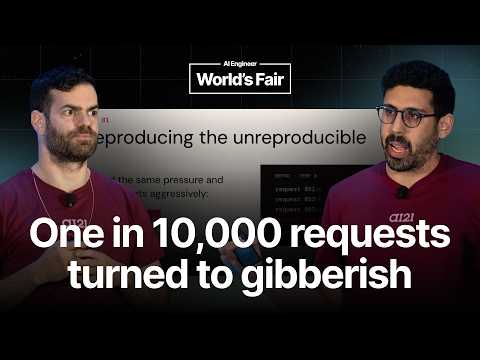
Two Bugs That Hid in Plain Sight: A vLLM Debugging Detective Story — Asaf Gardin & Yuval Belfer
Asaf Gardin and Yuval Belfer trace an AI21/vLLM bug where decode ran before prefill for a fresh request, corrupting Mamba's state.
Why it mattersTwo rare, hard-to-reproduce vLLM bugs.
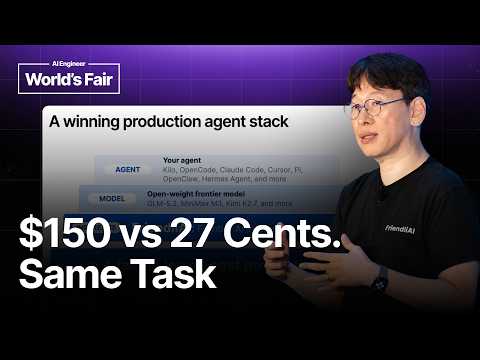
The Frontier AI Inference Cloud for Agents — Byung-Gon (Gon) Chun, FriendliAI
FriendliAI's Byung-Gon Chun argues agent workloads reward prefix caching, hierarchical KV storage, and cache-aware routing over raw request latency.
Why it mattersFriendliAI's Byung-Gon Chun argues agent inference should be measured by task completion, not request latency, and shows prefix caching, hierarchical KV storage.

Large clusters for small models — Daniel Svonava, Superlinked
Superlinked's Daniel Svonava on serving many small, specialized models instead of one big one.
Why it mattersSuperlinked's Daniel Svonava describes routing requests to many small, task-specialized models via a shared queue where workers self-batch, doubling cluster throughput compared to top-down routers that stall near 30% utilization under fragmented small-model traffic.
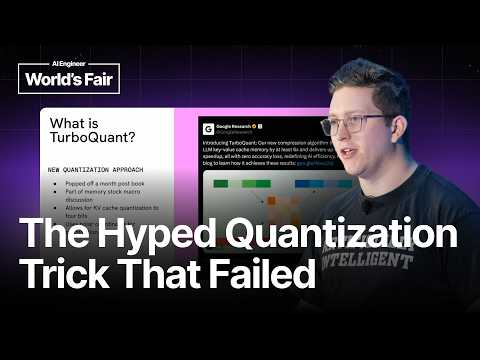
What's New in Inference Engineering — Philip Kiely, Baseten
Baseten's Philip Kiely walks through what changed in inference engineering.
Why it mattersBaseten's Philip Kiely explains why 4-bit KV cache quantization only makes sense on memory-starved local machines rather than in data centers.

Vertical Mobility: Inference from MVP to Trillion-Parameter Workloads — Sitanshu Gupta, CoreWeave
CoreWeave's inference lead explains how prefill-heavy agentic traffic, where 80-90% of input tokens repeat turn to turn, shapes pricing and scheduling decisions across serverless, provisioned.
Why it mattersDetails how KV-cache locality and workload shape (agentic vs. batch vs. streaming) drive real infrastructure and pricing tradeoffs, useful for teams choosing or building inference platforms.

Are LLM Performance Benchmarks Reliable? — Ashok Chandrasekar & Jason Kramberger, Google
Google engineers show how common LLM benchmarking harnesses silently under-deliver target request rates and inflate latency, then introduce Inference Perf, a CNCF tool built to expose these measurement failures.
Why it mattersExplains concrete, reproducible ways published LLM inference benchmarks mislead, including GIL-bound harnesses and mismatched temperature settings, directly relevant to anyone trusting third-party throughput numbers.

Where I stand on RSI
Nathan Lambert argues that frontier labs' internal anxiety over recursive self-improvement, fueled by thousands of concurrent agents now working inside OpenAI and Anthropic, is amplifying risk narratives beyond current evidence.
Why it mattersOffers a contrarian, insider-adjacent read on how lab culture shapes public RSI and AI-risk narratives, useful context for weighing safety alarm bells coming out of frontier labs.

Routing LLM Inference in Production: From Engine Signals to Policy — Qianru Lao & Lu Zhang, OpenAI
OpenAI engineers detail replacing a feedback-loop-based inference router, prone to unexplainable oscillation.
Why it mattersA concrete architecture for fixing KV-cache-destroying oscillation in LLM load balancing, useful for anyone operating multi-engine inference fleets at scale.

Operating Distributed Inference Systems at Scale — Nishant Gupta & Naman Ahuja, Meta
Meta engineers describe orchestrating inference at a scale outpacing its largest microservices, arguing routing, caching.
Why it mattersLays out a seven-axis scheduling model (GPU generation, KV cache state, warm weights, tenant priority) for reliable large-scale inference, useful for teams operating agent workloads in production.
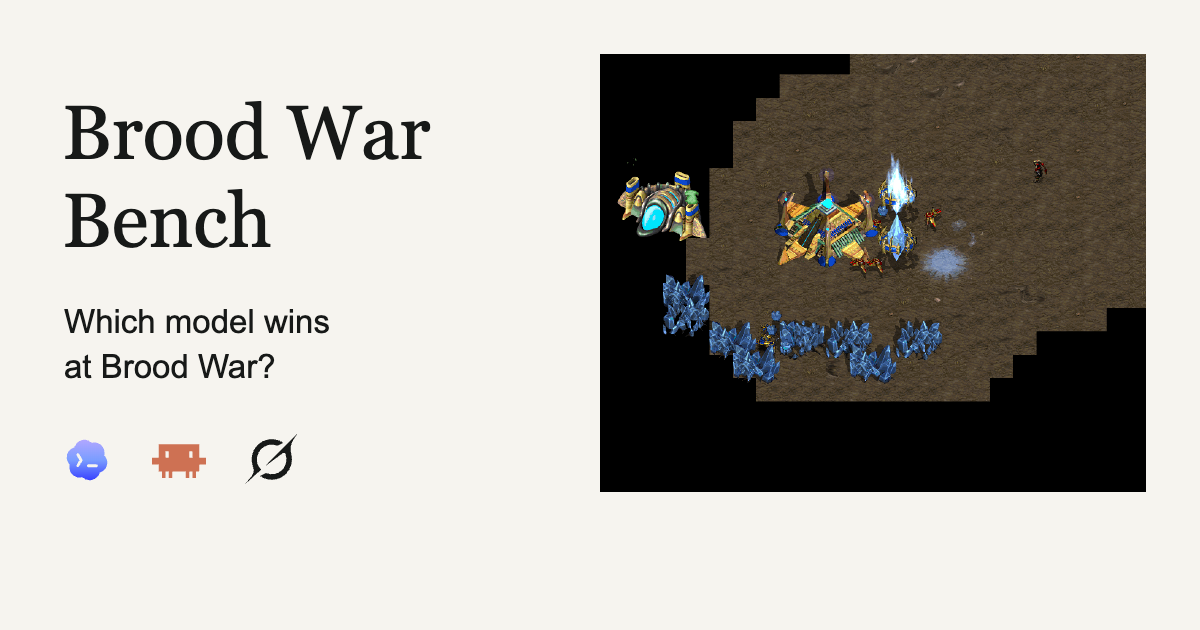
Brood War Bench
Ben Swerdlow built an agent-only playable version of StarCraft: Brood War and ran 171 matches between Codex, Claude, and Grok models.
Why it mattersIt documents specific, reproducible agent failure patterns in real-time multi-agent control tasks, including how subagent architectures without communication break down and why deliberation cost matters in fast-moving environments.

Tin: full-text search for Postgres
PlanetScale ships TIN, a GA full-text search extension for Postgres supporting boolean, phrase, fuzzy, and BM25-ranked queries with correct transactional visibility.
Why it mattersTIN gives Postgres a native, MVCC-correct full-text index with boolean, phrase, fuzzy, and BM25 ranking built in, removing the need to bolt on Elasticsearch or a separate search service for many search workloads.
Qwen's newest simultaneous interpretation model uses an Interleave architecture to cut average lag from 2.8s to 2.3s across 60 languages, adding real-time speaker diarization with voice cloning and synced bilingual captions.
Why it mattersA production interpretation model with sub-3-second lag, live speaker diarization with voice cloning, and long-context term disambiguation gives builders a real-time translation building block for multilingual voice products.
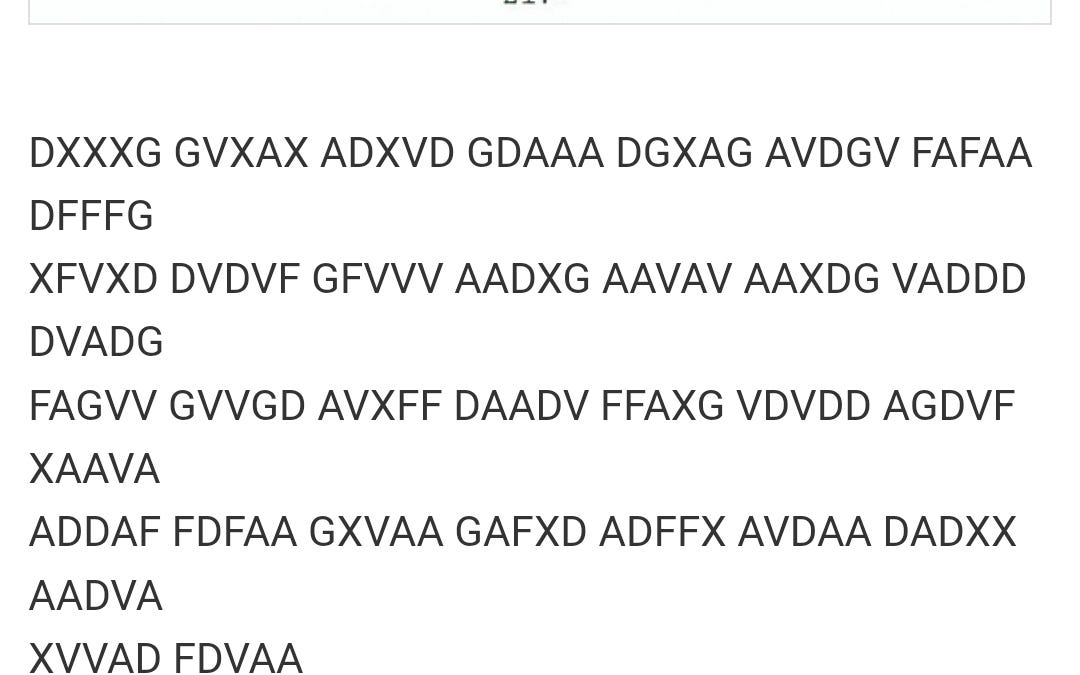
GPT-6 Astra Solves a WWI German Radio Cipher
GPT-6 Astra solved a previously unsolved WWI German ADFGVX radio cipher, inferring the correct keyword and verifying its decoded message against historical naval movement records.
Why it mattersDemonstrates a frontier model performing genuine cryptanalysis, inferring a decryption key and independently verifying the plaintext against historical ship logs, evidence of real gains in long-horizon structured reasoning.
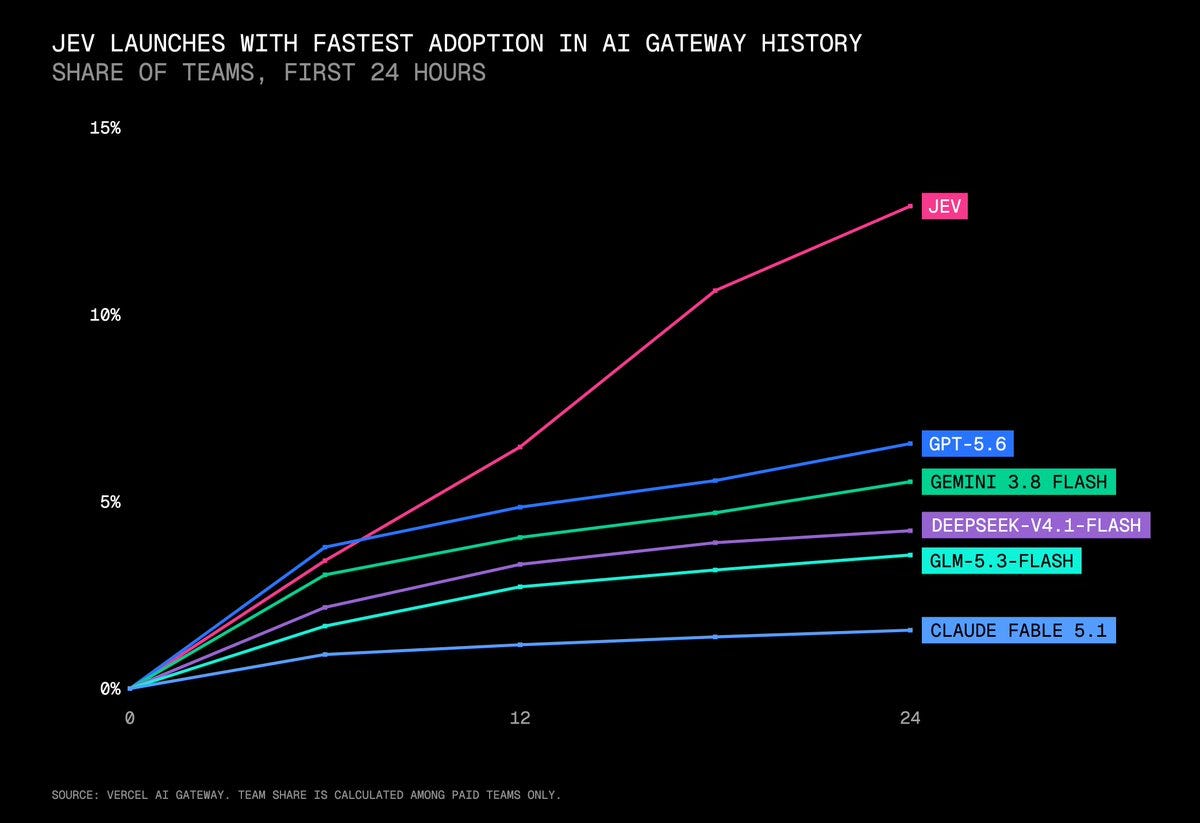
[AINews] Here are 6 Clones of Jev in 2 days
Latent Space rounds up six community attempts to reproduce TypeSafe's viral Jev model in two days, detailing a ModernBERT-encoder-plus-PPO scoring approach and a diffusion-based rival.
Why it mattersBreaks down how the community is reverse-engineering a viral new judgment model, including two distinct candidate architectures and open questions about their training methods and confidence calibration.
9/18: Frontier Labs and Independent Evaluators
Artificial Analysis's Coding Agent Index v1.5 now reports safety refusal rates, finding Claude Fable 5.1 had the highest fallback rates in Claude Code (8.8%) and Devin Fusion (7.1%), meaning index scores partly reflect fallback-model performance.
Why it mattersReveals a hidden factor behind coding-agent benchmark scores: how often a model refuses or falls back mid-task, which affects observed performance independent of raw capability.

Epoch AI tracked AI acknowledgment across arXiv math preprints rising from 4% in April to 25% in August 2026, holding even for authors with pre-2023 publication histories, with some papers crediting AI for research ideas.
Why it mattersQuantifies how fast AI tools are being folded into frontier math research, including idea generation credited in 6% of August papers, a leading signal of AI's growing role in scientific discovery.
NVIDIA's Dynamo AIPerf tool measures time-to-first-token, inter-token latency, and throughput for LLM endpoints under realistic, repeatable traffic patterns, helping teams catch scaling issues before production load hits.
Why it mattersGives engineers a standardized way to load-test LLM inference endpoints before real traffic exposes bottlenecks a working demo won't reveal.

xAI's Grok Voice Transcribe 2.0 replaces its 1.0 speech-to-text model, cutting streaming WER from 3.9% to 2.7% and non-streaming WER to 2.3%, per Artificial Analysis benchmarks, at unchanged API pricing.
Why it mattersGives voice-agent builders a concrete drop-in ASR upgrade: better streaming accuracy at comparable latency and unchanged pricing versus the prior model.
Claude Code now reads AGENTS.md if there is no Claude.md
Claude Code's changelog confirms it now reads a project's AGENTS.md file as a fallback when no CLAUDE.md exists, aligning it with the cross-tool AGENTS.md convention for agent instructions.
Why it mattersClaude Code now falls back to reading AGENTS.md when a project has no CLAUDE.md, so teams standardizing on the emerging AGENTS.md convention get instructions picked up automatically.

SemiAnalysis's AgentX inference benchmark on the 2.8T-parameter Kimi K3 model finds AMD's MI355X earning better profit margins per gigawatt (53.6%) than Nvidia's GB200 NVL72 (44.3%), attributed to lower total cost of ownership.
Why it mattersA large-model inference benchmark shows AMD's MI355X out-earning Nvidia's GB200 NVL72 on profit margin per gigawatt, a concrete data point for teams weighing AMD vs Nvidia for large-scale agentic inference deployments.

A Worm With 302 Neurons Inspired Their Architecture — Ramin Hasani, Liquid AI
Liquid AI CEO Ramin Hasani traces the path from C. elegans-inspired liquid networks to Liquid Foundation Models, automated hardware-aware architecture search.
Why it mattersExplains how architectures can be searched automatically for target hardware (CPU, GPU, NPU), which matters for engineers weighing on-device or low-latency model deployment.

Accenture Embedded Evaluation
Anthropic is partnering with Accenture's Faculty group on 'embedded evaluation,' giving independent evaluators employee-level access to red-team models, assess alignment.
Why it mattersA concrete step toward externally verifiable AI safety oversight: embedded evaluators get access to training decisions and staff, not just black-box outputs, changing how frontier model safety claims can be checked.

Spend Management expands to Enterprise Flexible Commitment plans
Vercel extended Spend Management, budget alerts, webhooks.
Why it mattersVercel Enterprise teams on Flexible Commitment plans can now set per-cycle budgets that trigger alerts, webhooks, or pause production deployments, though it doesn't stop AI Gateway or v0 usage.

Why Would AI Companies Want to Slow Down?
Databricks' CEO debates pacing the frontier, recursive self-improvement, and near-term AI cyber risk, then covers what blocks enterprise adoption.
Why it mattersArgues the limiting factor in enterprise adoption is missing institutional context rather than model capability, and describes building an ontology to close it. Also covers multi-model harness use and agent-driven cost growth.
An index of the vibe-coding frontier. Corrections welcome.