Intel
Page 03
New: Model Router Benchmarks Compare 7 routers side by side on quality, speed,…
OpenRouter published Model Router Benchmarks comparing seven routers, including NVIDIA Switchyard and Unbiased Pareto, on quality, speed and cost across six benchmarks.
Why it mattersRouters that pick models automatically are hard to compare. This gives side-by-side quality, speed and cost data across seven routers so you can evaluate them before adopting one.

Vals AI launched the Vals Web Search Index, a third-party benchmark run with the same settings for every provider, with Exa, Keenable, Parallel and Tavily as partners. It aims to fix contamination, realism and answer-leakage problems.
Why it mattersSearch tool vendors have been judged by their own benchmarks. A single third-party index with identical settings lets agent builders compare web search providers fairly.

Why AI Didn't Actually Make You Ship Faster — Gabriel Spencer-Harper, Meticulous
Meticulous CEO Gabriel Spencer-Harper argues verification is the new bottleneck.
Why it mattersAs agents write code faster than people can review it, assertion-based tests fall behind. This describes a way to run visual regression checks on every pull request without hand-written tests.

Why 99% Accurate Browser Agents Still Fail — Derek Meegan, Browserbase
Browserbase's Derek Meegan explains why a 99%-per-step browser agent succeeds about 36% of the time over 100 steps.
Why it mattersIt quantifies why long browser-agent runs fail and shows an architecture of deterministic tools, OCR verification, separated authentication and skills for reliable unattended runs.

Claude Code adds a built-in 'You should know' plugin, implemented as a mod that spins off a side agent to watch Claude's output and surface easily missed information. Enable it with the plugin command; Anthropic also published a getting-started post on mods.
Why it mattersClaude Code now ships a built-in plugin that uses a side agent to flag important details in output you might miss, enabled with one command.
Artificial Analysis places Ideogram 4.5 at #23 in image editing and #34 in text-to-image. High quality costs $0.22 per edit and $0.10 per generation, lower tiers start at $0.008, and it is on the Ideogram API with open weights promised.
Why it mattersGives ranked position and per-image API pricing across quality tiers for Ideogram 4.5, useful when choosing an image editing model for a product.

Stop Rationing Tokens: Let the Harness Pick the Model — Kimchi by Cast AI
Cast AI's team explains Kimchi, an open-source coding harness that picks models by task outcome and cost per task.
Why it mattersIt argues token rationing hurts developers and proposes measuring cost per task, with the harness routing between proprietary and open models. That is relevant to anyone managing coding-agent spend.
A lean formalization of From Linearity to Borrowing
A hobbyist reports Claude mechanized the From Linearity to Borrowing paper in Lean over 3-4 weeks, including the Fundamental Property and Adequacy theorems that well-typed programs terminate with an empty heap.
Why it mattersShows a coding agent producing a near-complete Lean formalization of a recent programming-languages paper in weeks, a practical signal for AI-assisted formal verification.

Updates to Full Disk Access in macOS
Apple says it will tighten Full Disk Access in macOS with controls requiring very explicit user action, pointing to the growing risk of capable autonomous AI agents holding sweeping access to files, mail, messages and browsing history.
Why it mattersApple will add stricter, more explicit user consent for Full Disk Access on macOS, explicitly citing AI agents. Agent tools that depend on broad filesystem access should expect a harder permission flow.
Meta shares six papers from mathematicians working with Muse Spark 1.1 and 1.2 in Thinking Mode on open problems. Humans guided the work, a second group reviewed it, and each paper marks human versus AI-drafted passages and credits prior and parallel work.
Why it mattersIt documents frontier models contributing to open research problems through a plain chat interface with no scaffold, along with a human-review protocol that marks AI-drafted passages.

Inception launched Mercury Voice, a diffusion LLM for voice agents. A dental receptionist demo shows median end-to-end latency under 300ms with tool calls, and access is via a playground and enterprise sales.
Why it mattersMercury Voice is a diffusion LLM claiming 2x+ lower latency than GPT-6 Luna, with median end-to-end under 300ms including tool calls. This matters when latency is the bottleneck in voice agents.
SWE-chat v2 from Stanford's SALT group grows the in-the-wild dataset of coding agent interactions to 230K prompts across 18K sessions from real users, now on HuggingFace, giving researchers grounded data on how developers work with coding agents.
Why it mattersA large dataset of real developer interactions with coding agents lets you study how people actually prompt and where agents fail, instead of relying on synthetic benchmarks.
ALoDLM 1.7B released
Amazon released ALoDLM-1.7B, a diffusion language model initialized from Qwen3 that adaptively loops shared transformer layers, keeps latent states for unresolved tokens.
Why it mattersShows a diffusion LM that spends variable compute per token via recurrent loops and a learned halting policy, with tunable thresholds trading refinement against parallel decoding speed.

ALoDLM 8B released
Amazon's ALoDLM-8B is a diffusion language model built on a Qwen3 backbone that refines unresolved tokens through adaptive recurrent passes and commits confident tokens in parallel.
Why it mattersOffers an 8B diffusion LM that allocates compute per token and decodes in parallel, with reported accuracy and throughput trade-offs on a B200.
Epoch AI estimates that AI infrastructure could soon run hundreds of millions to billions of agents, rivaling global human working hours at the high end. The thread walks through scenarios driven by model efficiency and whether AI demand keeps climbing.
Why it mattersEpoch AI sizes how many concurrent agents planned compute could run under different efficiency and demand scenarios, which helps engineers reason about future agent availability and cost.
GPT-6 Astra and Claude 5.5 Opus race to create the best StarCraft bot
StarSkirmish Hillclimb tests frontier LLMs on writing Protoss bots in C++ against BWAPI, climbing five opponent tiers up to top human-written bots.
Why it mattersRemoves the one-hour reasoning cap from an agentic coding benchmark, showing how frontier models perform on long-horizon implementation tasks against strong human-written bots.
GitHub September ship log: HydraFusion, new Copilot models, star history API
GitHub's September 2026 ship log covers Project HydraFusion, a multi-model orchestration preview now in the Copilot app and VS Code, new Copilot models.
Why it mattersLists what changed in Copilot this month: multi-model HydraFusion preview, three new models in the picker, and a privacy-safe star history API.

Factory launched revamped Analytics for its coding agent, breaking down consumption, model efficiency and adoption by model and user across all organization sessions, aimed at cost visibility for agentic engineering teams.
Why it mattersReports agent consumption by model and by user across every session instead of a single abstract compute number. Helps engineering leaders see where agent spend goes.
Ai2 releases AstaBrief 8B, a Qwen3-8B fine-tune (SFT plus DPO) that turns research questions and literature excerpts into cited reports. Weights and training data are open, and it powers Fast mode in Asta, running about 3.5x faster than the Claude-based mode.
Why it mattersAn open 8B model produces cited research reports in about 51 seconds versus 178 for a Claude-powered pipeline, and runs locally on your hardware. Weights and data are open, so you can reproduce or adapt the recipe.

Your Coding Agent Is 6 Months Out of Date — Jakub Hojsan, Exa
An Exa engineer walks through a PR in a model's blind spot, why adding a web search tool is not enough.
Why it mattersShows why code review agents misjudge post-cutoff changes and how explicit search rules plus token-efficient highlights give models fresh context without bloating the prompt.
Open-sourcing AstaBrief, the fast report-generation model in Asta
Ai2 details how it built AstaBrief 8B.
Why it mattersShows how to train a small open model to match a proprietary pipeline on cited-report quality: filter real queries, apply citation-focused data filtering, add DPO pairs, and write the report in one pass. Latency drops from 178.5s to 51.1s.

Which GPU Clouds Are Actually Good? | ClusterMAX 3.0
A podcast discussion of SemiAnalysis's ClusterMAX 3.0 ratings for managed GPU clouds, including evaluation criteria, hands-on testing, reliability.
Why it mattersPoints to a hands-on, criteria-based rating of GPU clouds covering performance, reliability, and failure response. Useful when choosing where to run training or inference workloads.
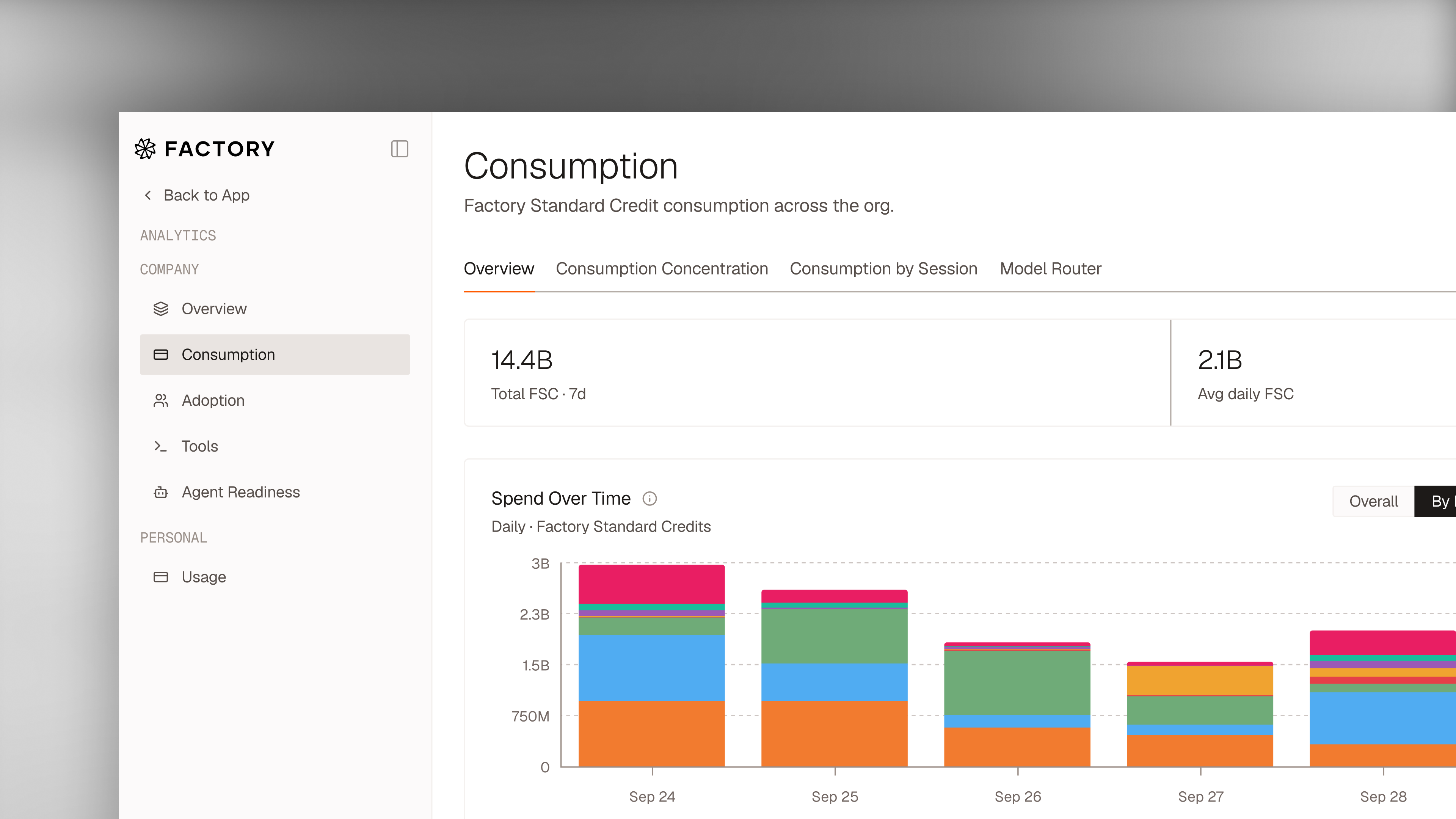
Factory Analytics Transparency
Factory shipped redesigned Analytics showing credit consumption by model and user, cost concentration, adoption metrics and estimated router savings.
Why it mattersEngineering leaders can attribute coding-agent spend by model and user and pull it via API, instead of requesting reports, which makes cost spikes traceable.

Why AI Is Reinventing How Businesses Buy Everything
a16z and Lio's CEO discuss where AI-native startups beat incumbents, using procurement as the example.
Why it mattersGives a concrete case of multi-agent systems handling sourcing, negotiation, and invoicing outside the system of record. It also covers how enterprises build trust in agents and what happens when both counterparties deploy agents.
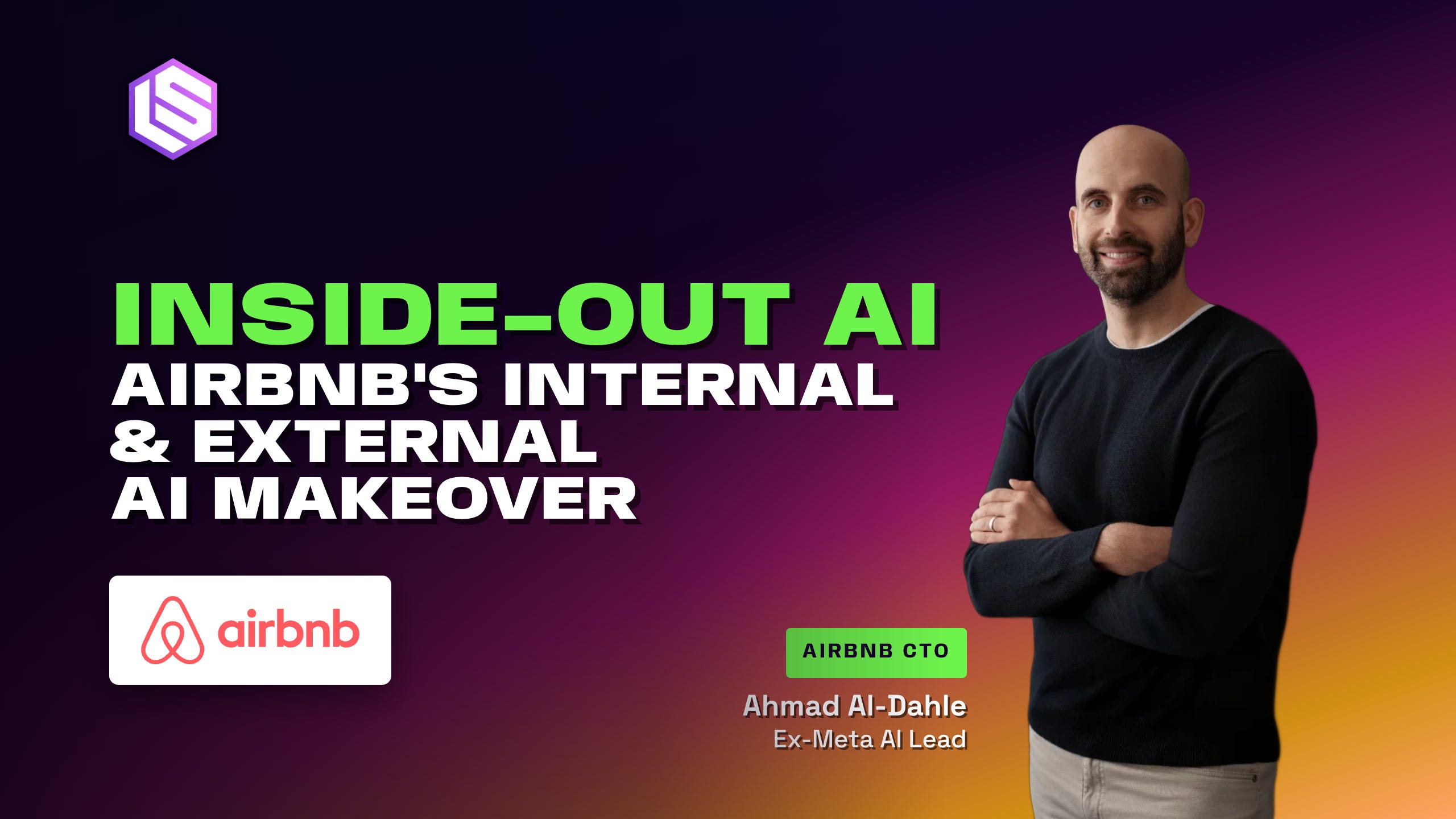
Inside-Out AI: Rebuilding Airbnb Behind the Scenes and Across the Guest Experience
Latent Space talks with Airbnb CTO Ahmad Al-Dahle, formerly of Meta's Llama effort, about an inside-out AI strategy.
Why it mattersShows a concrete adoption pattern: use AI to speed internal product development, then ship the same capabilities to customers. Gives engineering leaders a real example of deploying models in production at scale.

What If We Stopped Using GPUs? | YC Paper Club
A YC Paper Club on alternative AI compute.
Why it mattersSurveys non-GPU compute paradigms, including zero-order optimization and optical diffusion, that could change future training cost and capability if GPU efficiency gains plateau.

MCP Doesn't Suck. Your Agent Does. — Jan Čurn, Apify
Apify's CEO argues the MCP backlash targets client implementations, not the protocol, and covers sub-agents, progressive discovery, Code Mode, and CLI versus MCP.
Why it mattersReframes context bloat and token burn as harness bugs and lays out the fixes (progressive discovery, Code Mode, CLI locally, MCP remotely) engineers can apply when designing tool access.
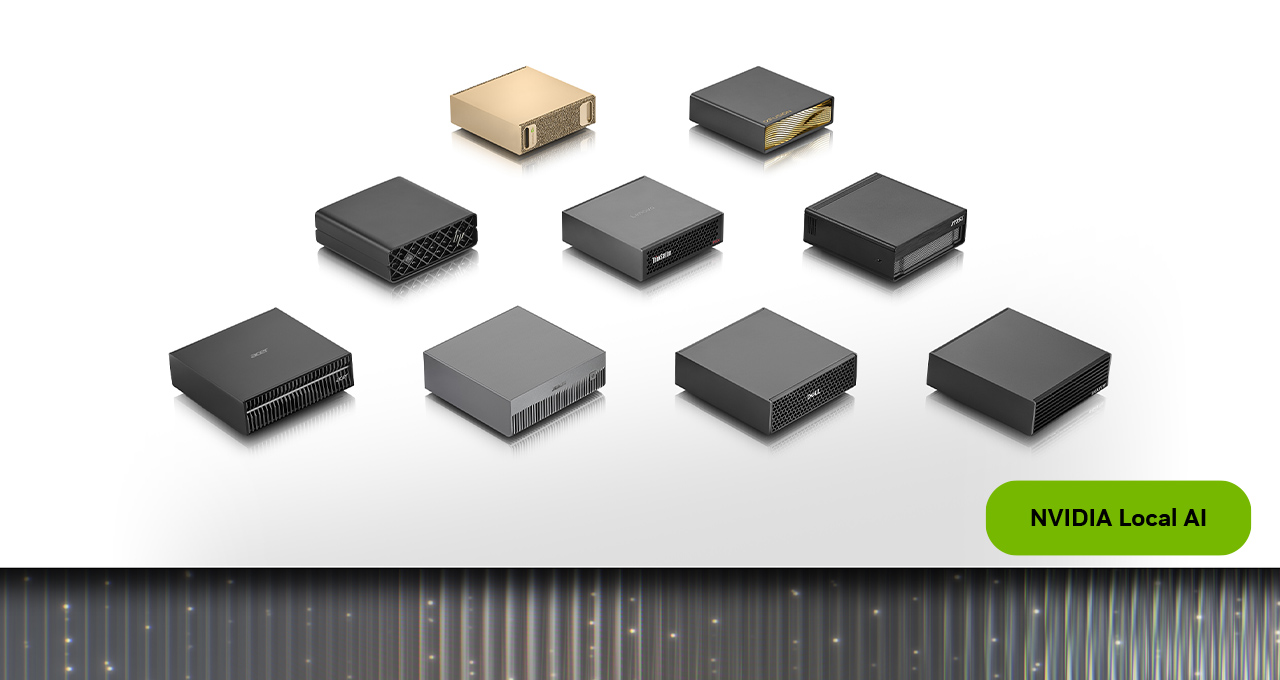
NVIDIA DGX Spark 64GB Gives Developers More Ways to Build and Scale Local AI
NVIDIA is shipping a 64GB unified-memory DGX Spark through Acer, ASUS, Dell, Gigabyte, HP and MSI this month, with the GB10 chip and full software stack.
Why it mattersA cheaper 64GB DGX Spark SKU widens access to running capable agents and open models locally, and two units cluster without extra setup when workloads outgrow one.

Protected Quick Tunnels: simple accountless authentication for your next dev project
Cloudflare's cloudflared 2026.9.3 adds an --allowed-mail flag to Quick Tunnels, gating agent-published localhost URLs behind one-time PIN email verification via Access.
Why it mattersCoding agents often publish a local dev server through a Quick Tunnel, which anyone with the link could open.
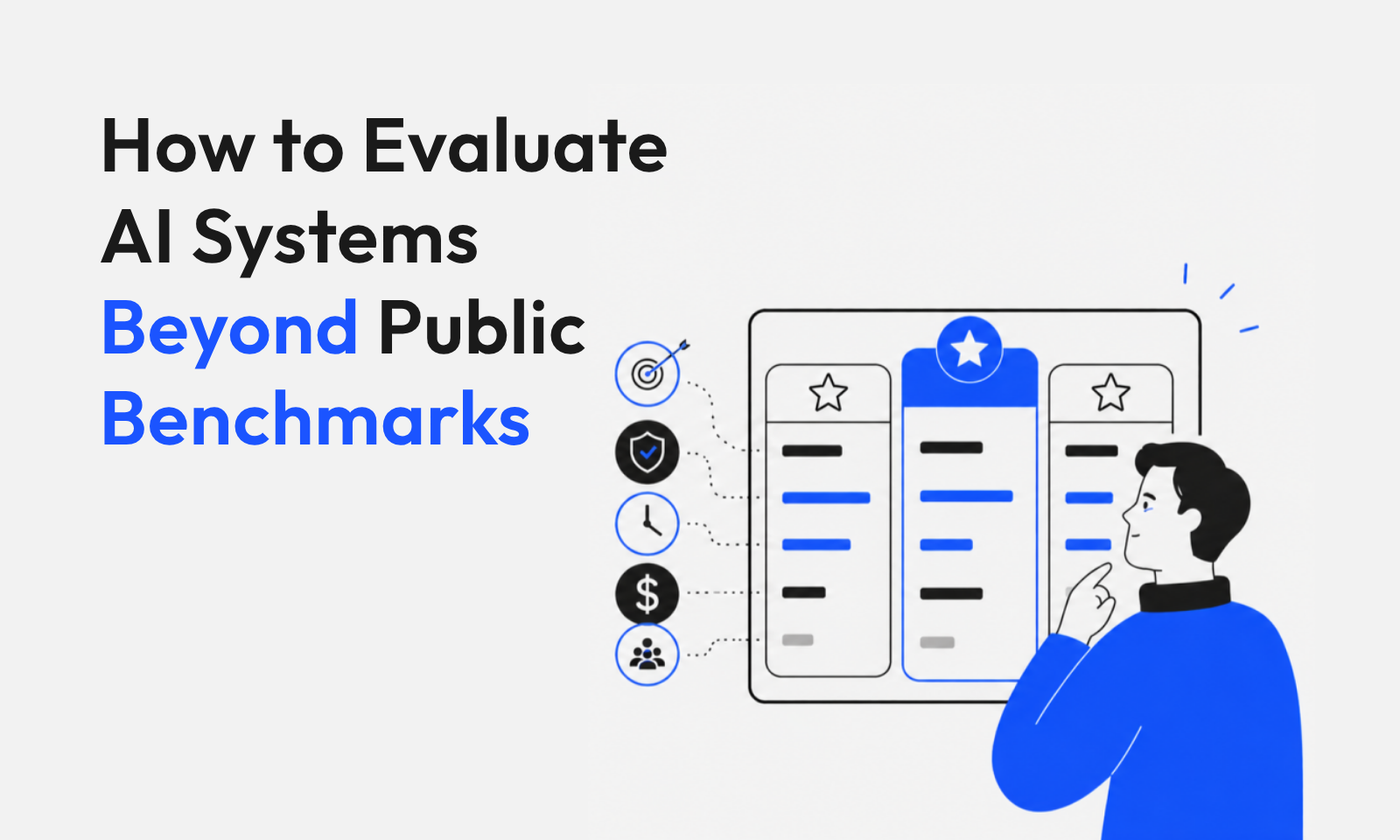
A practical AI Evaluation pattern
Article URL: https://deepsense.ai/blog/the-top-scoring-model-is-not-always-the-best-production-choice-how-to-evaluate-ai-systems-beyond-public-benchmarks/ Comments URL.
Why it mattersPublic benchmark leaders can fail in production. The piece lays out evaluating trajectories, repeated runs and business outcomes, plus feeding production failures back into eval sets.

Upstage launched Solar Mini 4, a 35B mixture-of-experts model with 3B active parameters built for high-volume agent work. It is on Upstage Console, Solar Chat and OpenRouter, with on-prem support and 70% off pricing until October 10.
Why it mattersSolar Mini 4 activates only 3B of 35B parameters, targeting repeated retrieval, structuring and tool calls at lower cost. API pricing is 70% off through October 10 UTC.
Open-sourcing AstaBrief, the fast report-generation model in Asta
Ai2 open-sources AstaBrief 8B, a small model that turns a research question and retrieved literature excerpts into a cited report.
Why it mattersAn 8B open model you can download and run produces cited research reports, targeting the quality of proprietary models at lower serving cost.

Stop Renting Your AI's Memory — Dylan Couzon, Qdrant
A Qdrant engineer breaks agent memory into write, retrieve and forget, argues retrieval beats large prompt files.
Why it mattersGives a concrete model of agent memory (write, retrieve, forget) and shows embedded on-device vector memory with sub-millisecond queries in 15 MB, relevant to building local, owned agent memory.
DeepSeek released packaged desktop builds of DeepSeek Harness (v0.2 preview) for macOS and Windows, with Linux users installing via the dsh npm package. It is the lab's first-party coding and agent harness.
Why it mattersDeepSeek now ships its own agent harness as a desktop app (macOS, Windows) and an npm package for Linux. Engineers building on DeepSeek models get a first-party environment to try alongside third-party harnesses.
Jev for Python engineers
Vercel's AI SDK for Python adds an experimental evaluate() API for Jev, a model that answers multiple-choice questions with confidence.
Why it mattersThe Python AI SDK now has an experimental evaluate() call for narrow multiple-choice decisions with confidence, with a working example via AI Gateway.
[AINews] Pi 1.0, Pi Durable, and AIE NYC
Latent Space's roundup of Pi 1.0 (codemode, deferred tool loading, Anthropic cache warming, mid-conversation system messages) and Pi Durable, a TypeScript port that checkpoints agent state for crash recovery and portable execution.
Why it mattersPi 1.0 adds deferred tool loading and cache warming, and Pi Durable checkpoints every agent step so agents and subagents resume after crashes. Relevant if you run long-lived agents and need durability across runtimes.
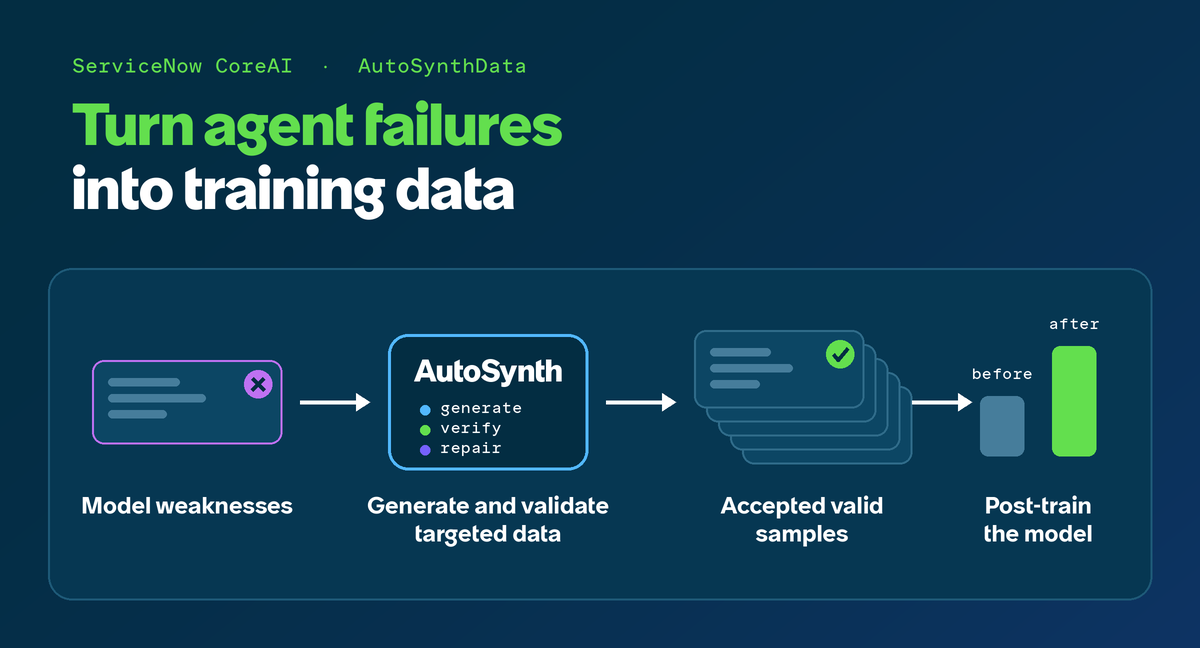
AutoSynthData: Generating Training Data for Enterprise Agents
ServiceNow describes AutoSynthData, which turns a target model's failures and a teacher model's successes into new agentic tasks with verifiers.
Why it mattersShows a pipeline for turning an agent's observed failures into new, verifiable training tasks.

Localizing Post-Wire Semantic Changes in MCP Agent Frameworks
A differential testing method follows MCP tool results through four Python agent frameworks and finds 13 divergences in structured values, declared errors and rich content.
Why it mattersValid MCP messages can still lose structured values, declared errors or rich content inside agent frameworks. The paper gives a reproducible way to test your own integration.

Scientific Agents: Evaluating Profession-Specific System Prompts on Scientific Tasks
Tests 503 profession-specific agent profiles against minimal and control prompts on nine science benchmarks.
Why it mattersLong persona-style system prompts did not improve accuracy on science benchmarks but cost 2.2 to 4.5 times more per call, so verify that a profile earns its tokens before shipping it.

Measuring the Microtask Eligibility Gap: When Is an Off-the-Shelf SLM Enough for an Agent Harness?
A benchmark of four agent-harness microtasks tests Qwen3 0.6B to 8B small models against pre-specified thresholds.
Why it mattersBefore delegating harness microtasks like shell auto-approval to small local models, this shows none of the tested Qwen3 sizes met cheap-baseline thresholds, and which failures are fixable by thresholding.

The First Token Is Not the Verdict: Hidden Costs of Reading LLM Judges Without Generating
A study of logit-readout LLM judging finds forced first-token reads overstate position bias in every tested condition, because many judges don't open with a verdict token.
Why it mattersIf your eval harness scores judges from first-token logits, measured position bias is inflated by about 42 points. Generate the verdict before auditing a judge.

Groundability, Not Scale Alone: When Weak Reviewers Can Audit Strong Coding Agents
An evaluation of reviewer models auditing coding-agent patches across 411 traces.
Why it mattersReviewing agent patches with a cheaper model works when it is grounded in executable evidence, such as tests that fail on the unpatched repo, not when it relies on model size or confident summaries.

Code That Works, Environments That Don't: Measuring Environment Reproducibility in AI-Generated Software
Measures how coding agents specify dependencies, comparing declared, runtime-installed and necessary-and-sufficient sets across three agents, four languages and 50 tasks.
Why it mattersGenerated code that runs can still ship wrong dependency declarations. The study shows coding agents systematically misspecify environments, so verify manifests in a clean environment.
A thread summarizing the Etalon framework for evaluating LLM inference: how chunked prefill and speculative decoding shape token timing, why averages mask pauses, and how to set first-token deadlines.
Why it mattersExplains why average TPOT and TBT percentiles hide generation stalls and how per-request token arrival traces expose them. Useful when tuning batching, chunked prefill or speculative decoding.

Academia is for Ambition — Alex Zhang, MIT
Latent Space interviews MIT's Alex Zhang on Recursive Language Models, context offloading, subagent swarms, KernelBench and GPU Mode.
Why it mattersExplains RLMs and why harness design may leave large capability untapped, with concrete ideas like context offloading and programmatic subagent calls you can apply in agent systems.

Giving Opus 5.5 a simulated paint canvas
A long-running experiment where several frontier models paint in a simulated oil-paint studio by writing brushstrokes.
Why it mattersShows how frontier models behave as agents with a stateful, irreversible tool: they converge on the same subjects across independent runs, and they rank other models' work above their own. Useful evidence on model priors and eval design.
Artificial Analysis ranks new coding agents on its Coding Agent Index. Claude Sonnet 5.5 in Claude Code leads at 68 but costs $14.19 per task, while GPT-6.1 Sol in Codex scores 63 at $1.04.
Why it mattersShows the score/cost tradeoff across Claude Code, Antigravity CLI and Codex: 68 at $14.19 per task versus 63 at $1.04. Helps you pick an agent by cost per task, not just rank.

Recursive Language Models — Alex Zhang, MIT PhD
Alex Zhang, the MIT researcher behind Recursive Language Models, discusses harnesses as compositional generalizers, programmatic subagent calling, agent swarms, AI-written GPU kernels and capability overhang in current models.
Why it mattersArgues that harness design, not just model capability, limits coding agents, and explains RLM techniques like context offloading and persistent subagents you can apply when orchestrating agents.
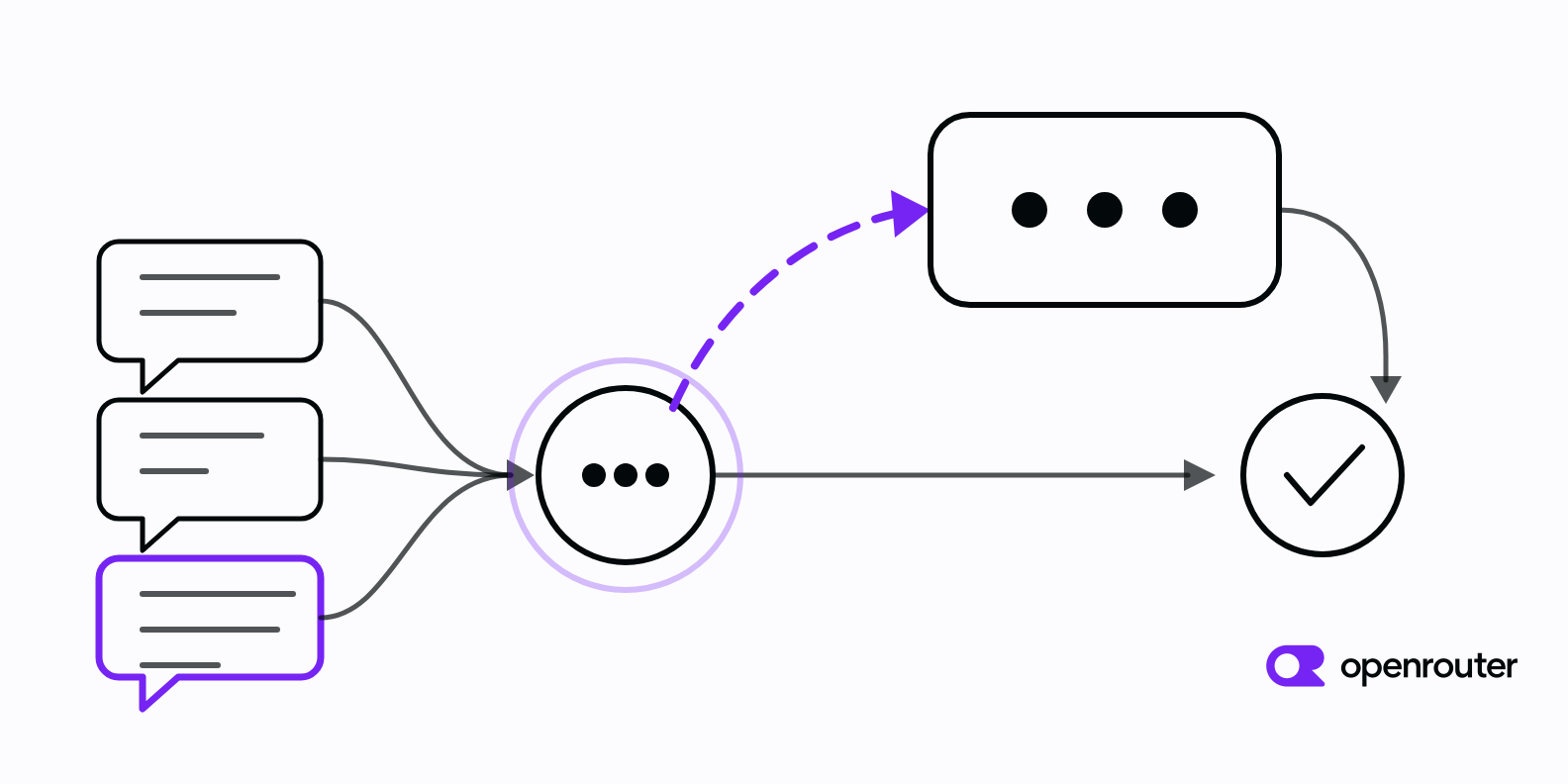
Model Routing For Support Bots Cheap First Faq Handling
A tutorial on cheap-first model routing for support bots.
Why it mattersShows when to send routine support questions to a cheap model and escalate only some. It separates request-error fallbacks from answer-acceptance checks and says to measure cost per resolved ticket and escalation rate.
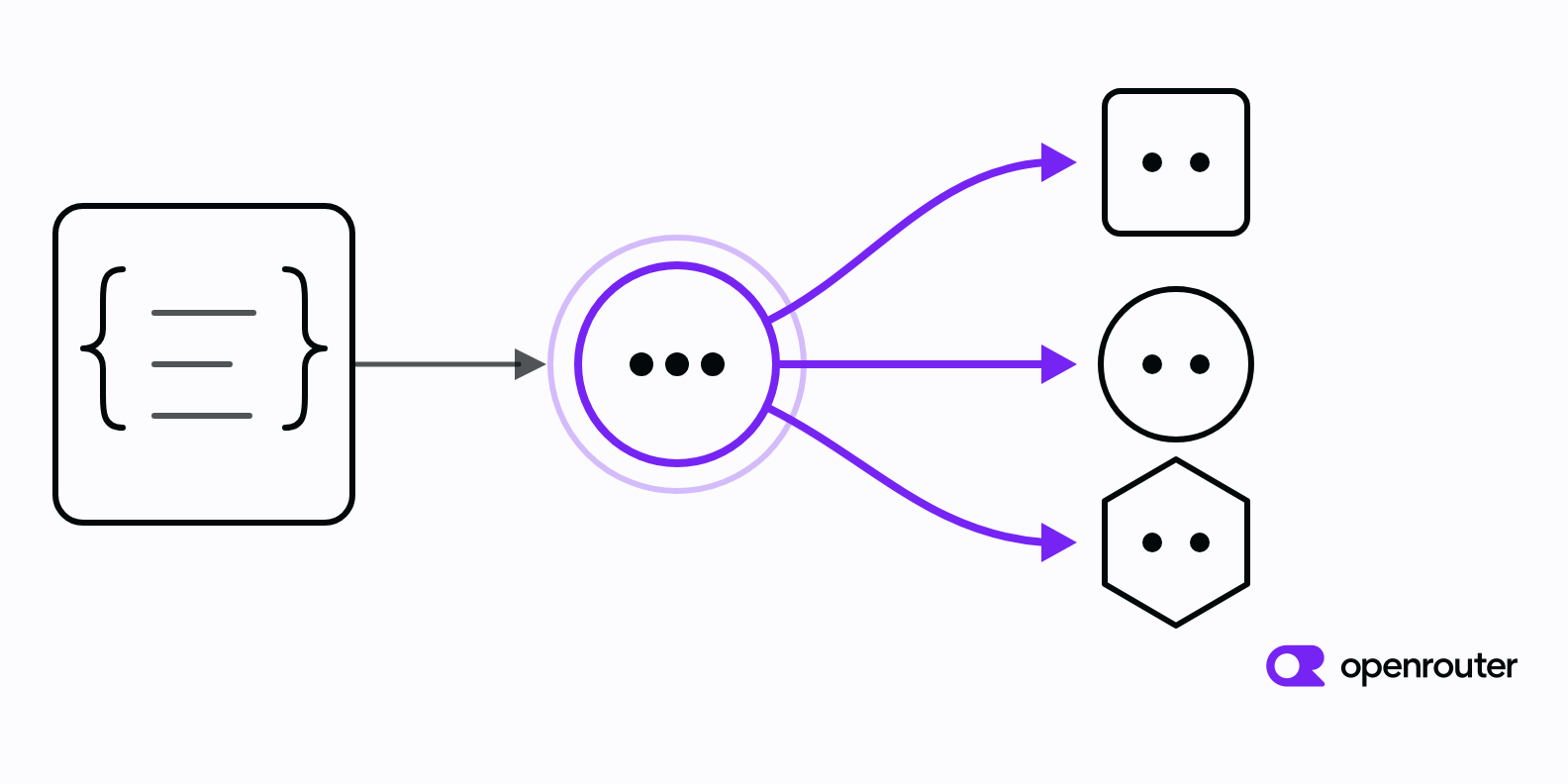
Agent Frameworks Compared Tool Calling Schema Handling
Compares how LangChain, CrewAI, the OpenAI and Claude agent SDKs, Microsoft Agent Framework and Google ADK handle tool schemas across providers.
Why it mattersExplains why tool calls break when you swap models: each provider uses a different tool definition and response format.
An index of the vibe-coding frontier. Corrections welcome.