Intel
Page 71
Claude's text watermark changes where sampling randomness comes from rather than which words get picked, which is why output quality is unaffected. Anthropic is rolling it out for EU AI Act compliance; an interactive explainer walks the mechanism step by step.
Why it mattersWatermarking is landing in Claude's text output under the EU AI Act, and it works by shifting the randomness source rather than the words — quality is unchanged, but generated text becomes detectable.
Go from an empty repo to a live GitHub Pages site on a custom domain, secured wi
GitHub shows Copilot CLI plus a community Namecheap skill going from an empty repo to a live GitHub Pages site on a custom domain with HTTPS in about 14 minutes.
Why it mattersShows the skill mechanism in a coding CLI reaching past code into registrar and DNS setup, which is the kind of end-to-end delegation builders are trying to scope right now.
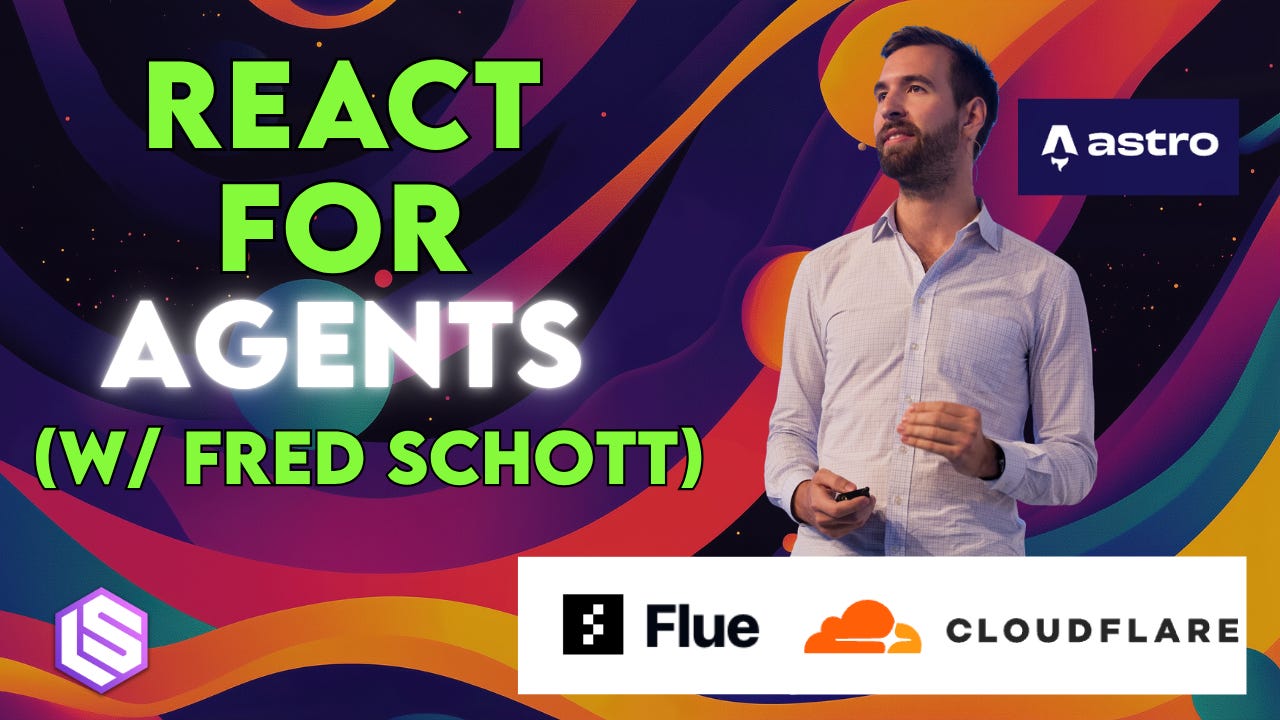
React for Agents: Astro Creator Brings Hooks to his Meta-Harness, Flue
Fred Schott's Flue reaches its first stable release built on React-style Agent Hooks, where an agent is a JavaScript function that re-renders before every model call and can manage its own state and attach capabilities mid-run.
Why it mattersAgent Hooks are a concrete answer to how agent state and capabilities get composed at runtime, from the person who built Astro. Engineers picking a harness now have a second serious design to compare against Vercel's eve.
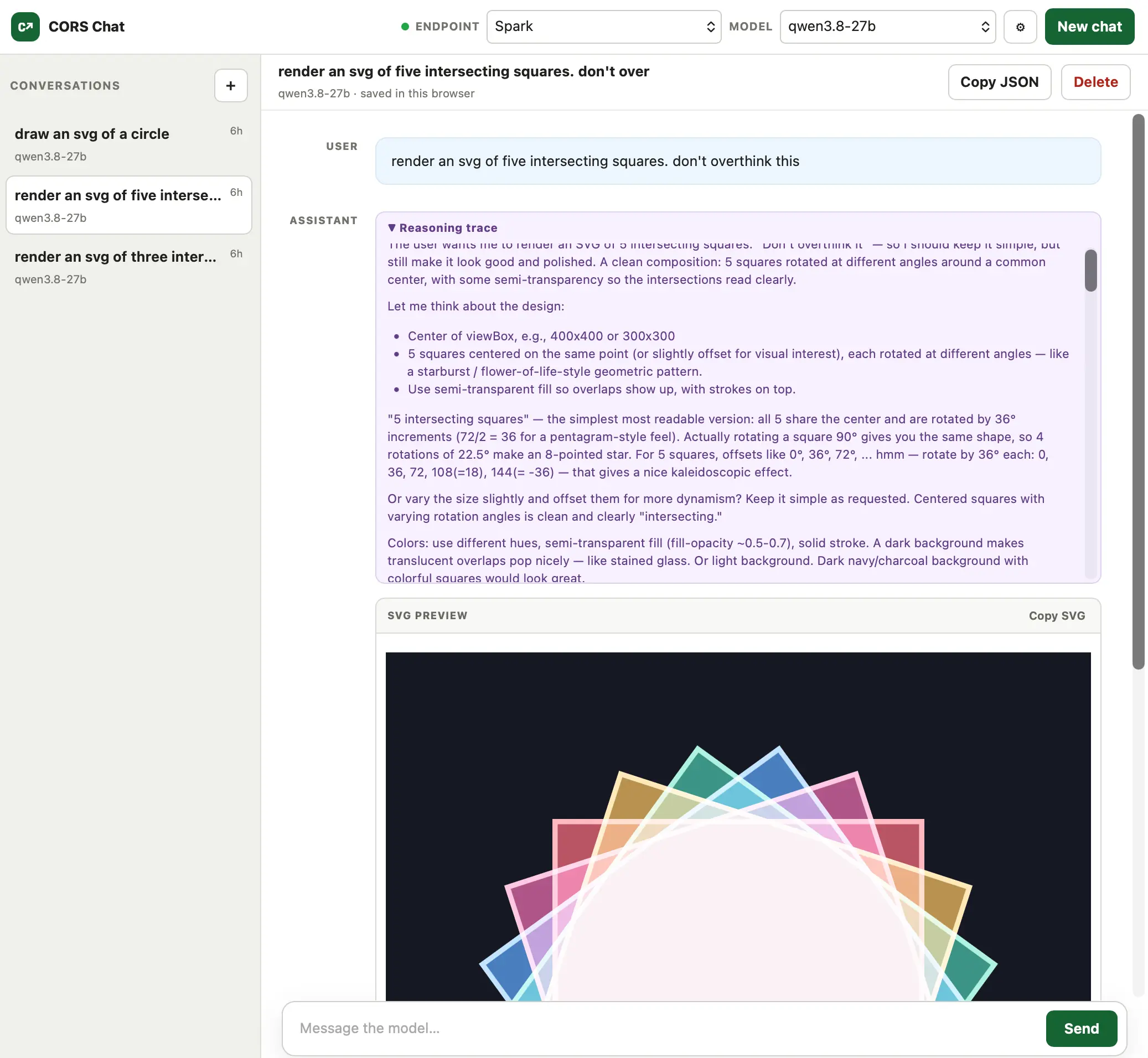
CORS Chat
Simon Willison's browser-based chat client for any OpenAI Responses-compatible endpoint that sends CORS headers, built to exercise local models in LM Studio and OpenRouter.
Why it mattersA zero-install way to exercise a Responses-compatible endpoint, including a locally served model, which removes the usual scratch-script step when validating a new provider or a local runtime.
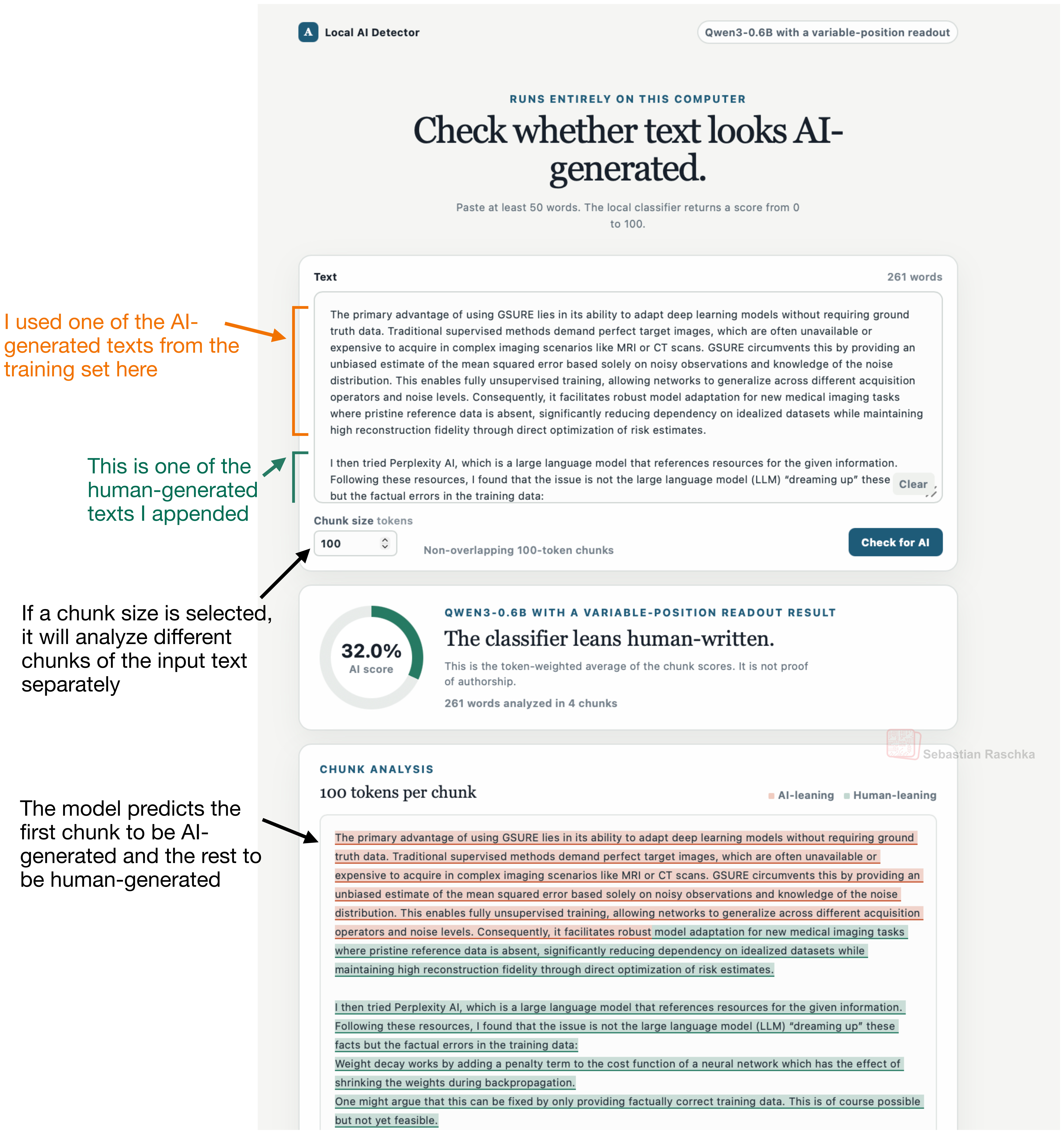
Building an AI Text Detector From Scratch
Sebastian Raschka builds a small AI-text detector from scratch, then turns it into a verifier used to train a small language model to write text that evades detection, as a study of where such detectors break down.
Why it mattersShows how to build a classifier-as-verifier and train an SLM against it, a reusable pattern for anyone wiring reward or filter signals into small-model training.

Voice agents with Realtime Video — Sidney Primas, LemonSlice
A production account of real-time video avatars.
Why it mattersAnyone building real-time multimodal agents gets the specific failure mode of long-running generated video and the fixes that keep an eight-hour session coherent.

Diagnostic Foundation for Evaluating LLMs' Research Integrity as Co-Scientists
IntegrityBench tests whether models uphold research integrity under institutional pressure across 36 paired tasks.
Why it mattersAnyone deploying models as autonomous research or review agents now has a measured failure rate under pressure, and evidence that scaling up the model does not fix it.

Research Assistant: AstraZeneca's Agentic System for R&D
AstraZeneca describes Research Assistant, an internal LLM system answering biomedical questions across literature, knowledge graphs, chemistry, clinical trials and internal experimental data.
Why it mattersPublished architecture and deployment lessons from a real enterprise agent system give builders a reference design for grounding, provenance, and mode selection.

Position: The Alignment Community is Unintentionally Building a Censor's Toolkit
An ICML oral argues that alignment methods are dual-use.
Why it mattersThe same machinery that suppresses harmful output is general-purpose output control — worth understanding if you ship alignment or moderation layers that a downstream operator could repurpose.

Don't Want Your LLM to Recommend Nuclear Strike? Try Asking It in Japanese
Nine models are asked in different languages whether a nuclear-armed state should strike a defenceless one.
Why it mattersSafety behavior measured only in English does not transfer, and reasoning-language is an uncontrolled variable in any multilingual agent deployment or eval suite.

Agreement Is Not Alignment: Divergent Moral Grounds in Human and LLM Ethical Judgments
Across frontier and open models on a 500-item ETHICS-derived set, final-label agreement with human annotators runs high while the stated justifications diverge.
Why it mattersHigh label agreement with human annotators can hide divergent underlying reasoning — if your eval only scores final answers, it is measuring less alignment than you think.

Dual-Flow Transformers: Decoupling the Primary Prefill Path from Additional Decode Computation
A transformer design that splits inference in two.
Why it mattersInference cost now dominates training cost for served models, and this decouples the two phases so added capability does not tax both.

Qwen3.8-27B is now packaged for LM Studio and needs roughly 17GB to run locally, putting a fresh open-weights release on consumer hardware without an API bill. Practitioners in the replies report multi-hundred-token/s prefill and long-context runs on Apple silicon.
Why it mattersQwen3.8-27B runs locally in about 17GB and is already packaged in LM Studio, putting a current-generation open-weights model within reach of a single well-specced laptop.
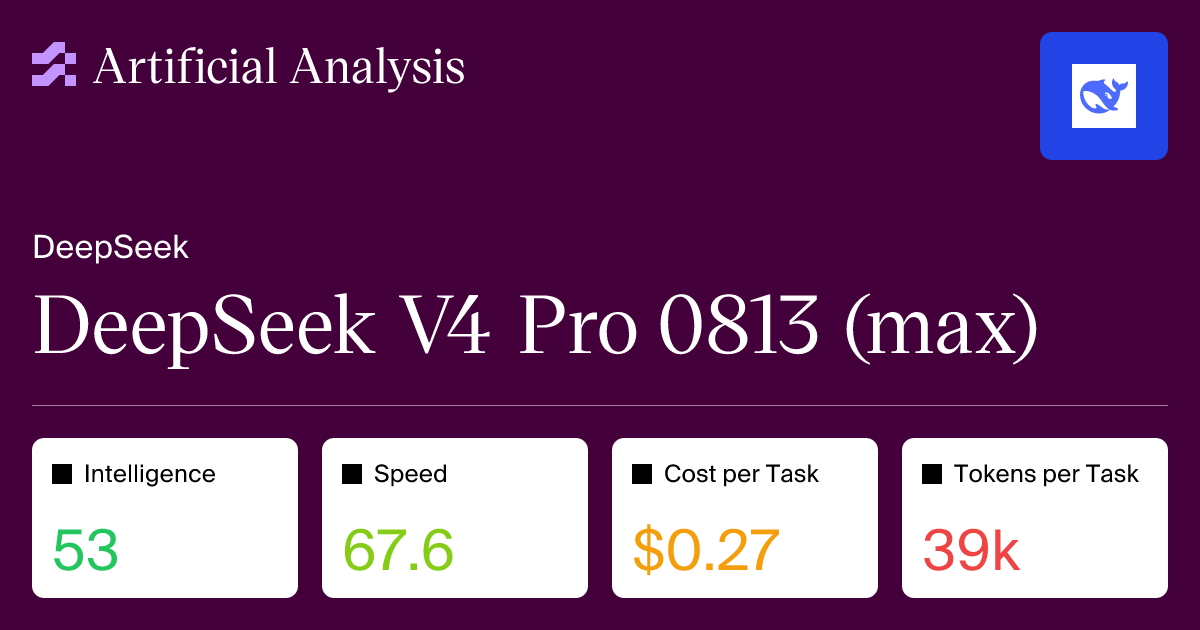
See Artificial Analysis for further details and benchmarks:
Artificial Analysis's evaluation of DeepSeek V4 Pro 0813.
Why it mattersDeepSeek V4 Pro 0813 lands near the top of the intelligence index but at 3.6x the prior price, scoring only a point above the far cheaper V4 Flash — the open-weights price/quality choice has shifted.

Artificial Analysis scores DeepSeek V4 Pro 0813 at 53 on its Intelligence Index, eight points above April's version but with a 3.6x price rise, leaving it barely ahead of the cheaper V4 Flash and still behind Kimi K3 among open-weights models.
Why it mattersTeams building on DeepSeek's first-party API face a 3.6x price change within a day, and the intelligence gain over the cheaper Flash model is a single point. The cost-per-task math changes which model is the rational default.

Hacktron's automated review found a high-severity NoSQL injection in Novu's codebase by tracing an unvalidated ID through an ingest controller, a type cast, and a sink service across three files.
Why it mattersHacktron's automated review caught a NoSQL injection in Novu by tracing an unvalidated event ID across three files, and fixed roughly half of flagged issues within 30 days with an 83% actionable rate.

SemiAnalysis lays out the cost case pulling hyperscalers to India: roughly $5M per MW of datacenter capex and power often under $0.10/kWh, cheap enough to put the country near 10GW by 2030 and among the four largest datacenter markets, with Microsoft alone committing $17.5B.
Why it mattersCompute capacity is migrating toward the cheapest power and capex, and India's sub-$0.10/kWh economics put it on track for roughly 10GW by 2030 — a factor in where inference gets served and what it costs.

Did you know Hermes Desktop can run against a Hermes Cloud agent? Point Hermes D
Nous Research details how Hermes Desktop connects to a Hermes Cloud gateway.
Why it mattersHermes agents can now run as always-on cloud workers reachable from Telegram, Discord, Slack, or CLI, with memory that persists across devices — relevant if you are deciding where long-running agent state should live.

Qwen3.8 27B Is INSANE – This Is the BEST Local AI Model Yet!
A hands-on test of Qwen3.8 27B running locally, across browser workflows, C++ game creation, FPS development, 3D CAD modelling, multimodal coding and cinematic game generation.
Why it mattersTask-level results on a 27B model running locally give a practical read on where local inference is now good enough for coding work and where it still falls short.
Don't classify. Hallucinate!
Doug Turnbull's trick for tagging against a large vocabulary.
Why it mattersIt turns an oversized label set from a context problem into an embedding lookup, which is directly reusable by anyone classifying against a taxonomy too large to fit in a prompt.
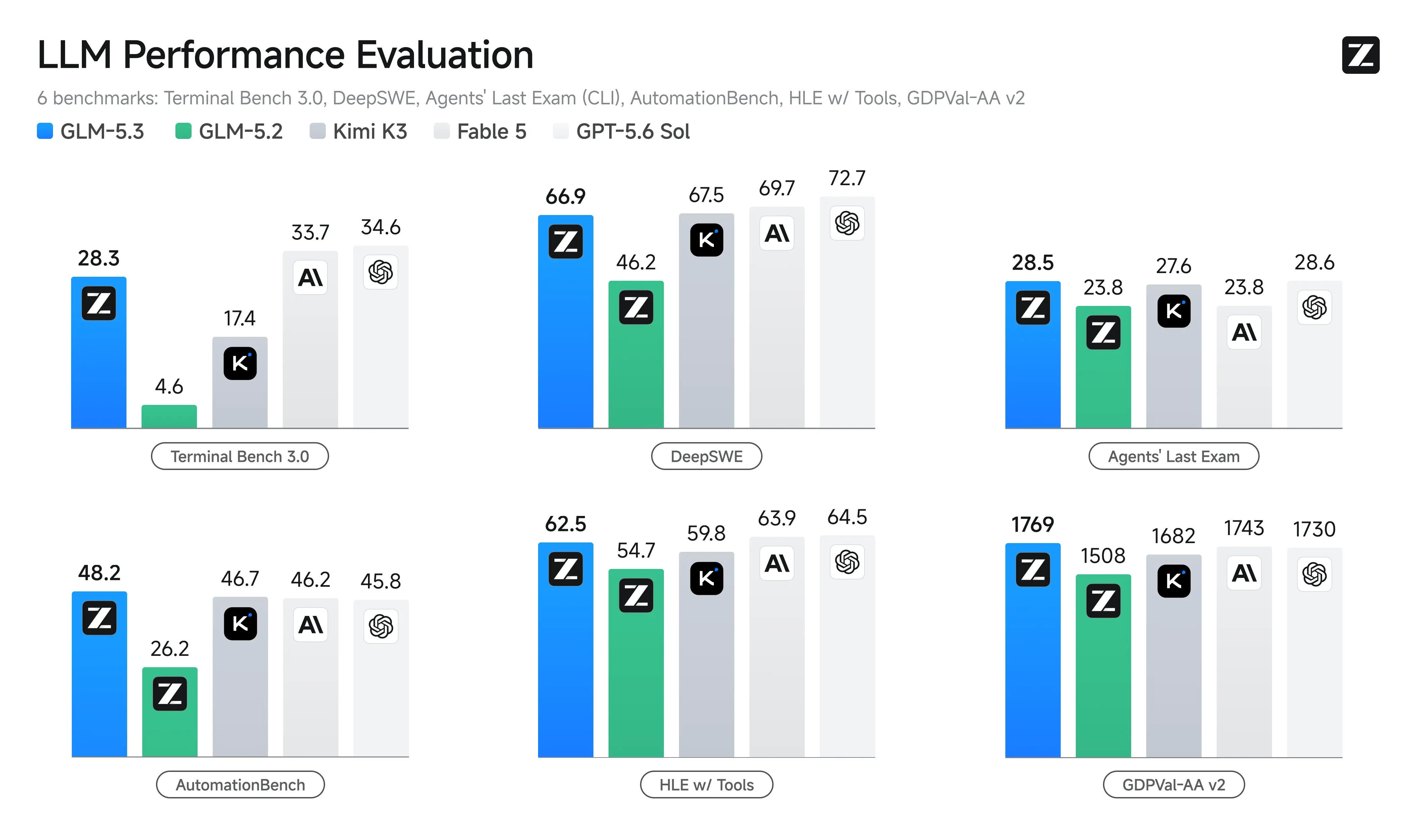
GLM-5.3: How Chinese labs keep stride with the frontier
Nathan Lambert on Z.ai's GLM-5.3.
Why it mattersA frontier-level agentic coding score reached purely through post-training on an existing base, at a third of a competitor's parameter count, resets what teams should assume about the cost of catching up.

Hermes adds /loop, which re-runs a prompt on an interval in the same session; leave the interval off and it paces itself, checking often at first and backing off while nothing changes.
Why it mattersRecurring self-paced agent runs are a scheduling primitive most harnesses lack, so builders comparing agent runtimes now have a concrete reference implementation of interval versus adaptive polling.

https://t.co/w4CBckqLpR
Hermes documents recurring in-session loops.
Why it mattersA concrete pattern for in-session recurring agent turns: back off while output is unchanged, snap back to the floor when it changes, and use cron instead when work must survive the terminal.
SemiAnalysis on GLM-5.3 beating every American open model with gains that came entirely from post-training on the same base as GLM-5.2, and what that says about the Nemotron committee path.
Why it mattersIt puts a concrete stake in the open-weights comparison: if post-training alone produced the jump, the gap between American and Chinese open models is a process gap rather than a compute gap.

We’ve written an FAQ to answer some of the questions we've received about waterm
Anthropic's FAQ on watermarking Claude's text.
Why it mattersAnyone shipping model output into their own product now knows what watermarking does and does not change about that text, including that it costs no extra tokens and carries no per-user attribution.

A 17-minute tour of OpenWiki, LangChain's open-source self-maintaining wiki: how it works, why documentation built for agents looks nothing like documentation for humans, and the lessons from building it.
Why it mattersAgent-readable documentation is becoming a design surface of its own, and this gives builders a working open source reference for how those docs should be structured and kept current.
To configure auto mode for your environment, run /auto-mode-setup. Claude looks
Claude Code's /auto-mode-setup scans your repo and proposes trusted repositories and domains for review, sharpening the auto-mode classifier's line on what is safe to run in your environment.
Why it mattersPermission configuration is the main safety lever on an autonomous coding agent, and this documents exactly how the trusted-surface list is built and reviewed.

Auto mode rolls out as Claude Code's default for Pro, Max and Team. Existing default-mode settings are respected, and modes still switch via Shift+Tab or a settings pin.
Why it mattersA shift in the default permission mode changes what a coding agent will do without asking, so anyone running Claude Code in a shared or automated setting needs to check their configuration.
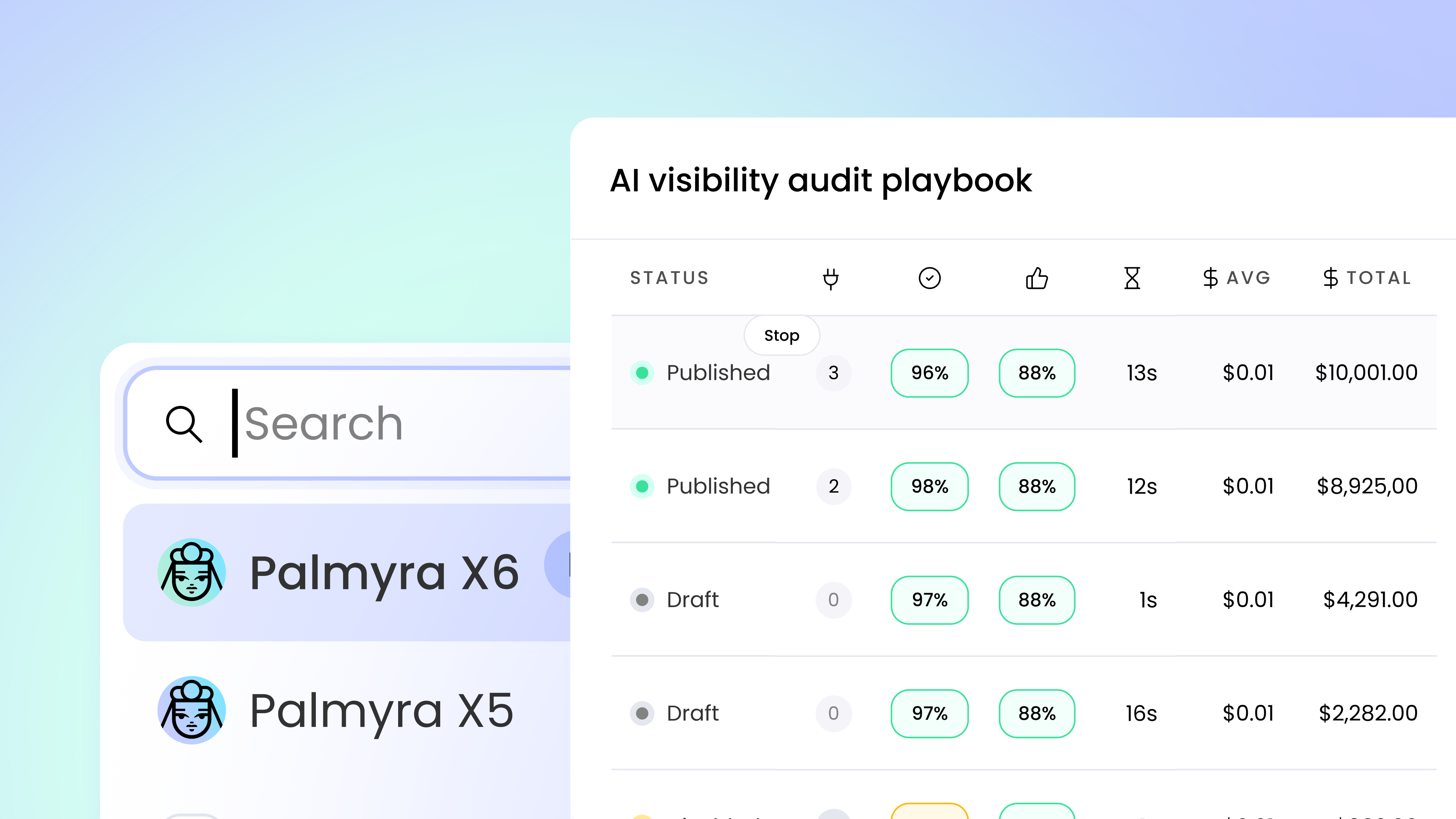
WRITER Makes Agentic AI Economically Sustainable at Enterprise Scale With Palmyra X6 Release and Major Harness Upgrades
WRITER ships Palmyra X6 plus harness upgrades built around token economics rather than benchmarks.
Why it mattersAgent workflows push cost per task orders of magnitude above chat. This release pairs a cheaper flagship model with harness changes and spend controls aimed at that gap, reported as 52% lower cost at 48% higher speed.

ori grok starts xAI's Grok Build in custom-endpoint mode and hands it an OpenRouter key scoped to that run, so no browser login happens and your Grok config is unchanged. Model list becomes your OpenRouter catalog, private endpoints included, with telemetry and trace upload pinned off.
Why it mattersYou can run Grok Build against any OpenRouter model without a Grok login, with stray provider keys neutralized and xAI telemetry and trace upload disabled for the run.
Ori DeepSeek wires DeepSeek Harness to OpenRouter in one command: it installs the harness if missing, stores the key in the harness credential store, refreshes the model catalog on every boot, and adds /fast routing plus /zdr zero-retention sessions.
Why it mattersOne command swaps a single-vendor harness onto the full OpenRouter catalog, with a session flag that restricts a run to zero-retention providers when the code cannot be logged.
As part of our Responsible Scaling Policy, we publish regular Risk Reports. Thes
Anthropic has published the second of its recurring Responsible Scaling Policy Risk Reports, its disclosure of assessed risks across its systems and its readiness to mitigate them.
Why it mattersAnthropic's periodic RSP risk reports are the primary public record of how the lab assesses its models' dangerous-capability thresholds and what safeguards gate them.
ori prime runs Prime Intellect's Agent against 500+ OpenRouter models without writing auth.json or models.json; the key arrives via a bundled extension scoped to the run. Ori strips leftover ANTHROPIC_API_KEY and OPENAI_API_KEY values, and /speed and /zdr persist with the session.
Why it mattersAnother agent harness runs on a single OpenRouter account without editing its config, with stray provider keys stripped and zero-retention routing toggleable for the session.
Qwen3.8-27B lands on Ollama, pitched as delivering consistently across whatever harness you run it in.
Why it mattersA 27B frontier-adjacent model landing on Ollama puts it within reach of a single workstation, which changes the local-inference options for anyone building agents that cannot call a hosted API.
Learn how to turn one giant AI-generated pull request into a clean, reviewable s
GitHub on turning one giant AI-generated pull request into a clean, reviewable stack of changes, and keeping every layer in sync as review feedback lands.
Why it mattersReview throughput is the bottleneck once coding agents can produce thousand-line diffs, and stacking gives teams a repeatable way to keep each layer small enough to actually verify.

GitHub's prescription for the giant agent-authored pull request: break it into a stack of ordered PRs, one concern per layer, with CI validating each layer against the stack's base. The gh stack CLI creates, submits, rebases and syncs the stack; reviewers read top-down and validate bottom-up.
Why it mattersA concrete review workflow for AI-generated changes: layer the work into ordered PRs, run CI per layer against the stack base, read top-down and review bottom-up instead of facing one 1,700-line diff.
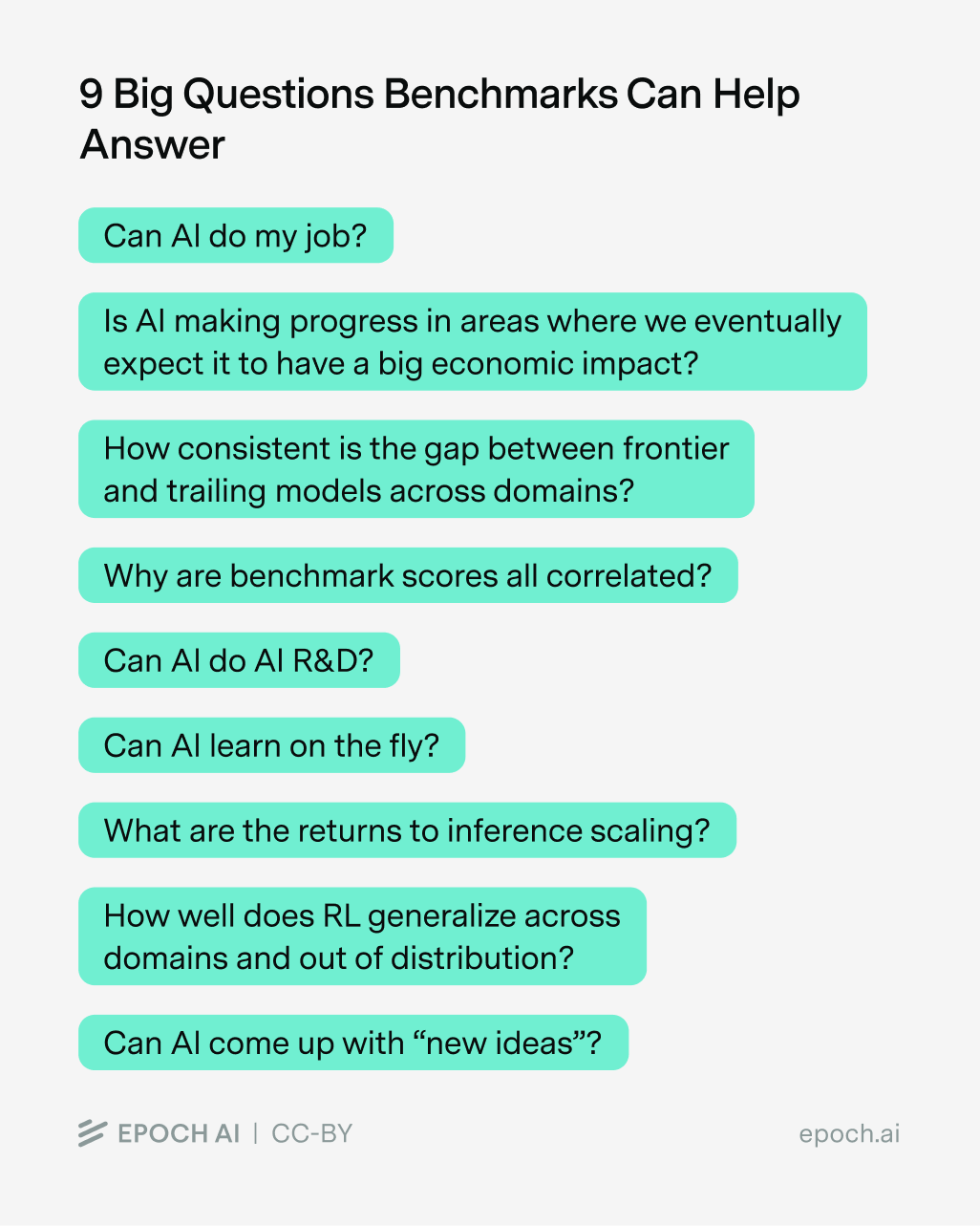
9 Big questions benchmarks can help answer
An Epoch researcher lists nine questions governing AI's impact, from narrow tasks versus messy jobs to learning from experience, and maps benchmark efforts to each.
Why it mattersNames which unresolved capability questions benchmarks should answer, helping engineers judge which evaluation results actually predict real-world agent usefulness.

How Web Data Infrastructure Powers the Next Generation of AI — Patricija Žemaitytė, Oxylabs
Oxylabs on rebuilding a search API from a four-second baseline to 550 milliseconds, and why something that works in development, something that passes tests.
Why it mattersThe load-testing observation, that instrumentation at high request volume distorts the measurement it is taking, is a failure mode teams hit when scaling any high-throughput data pipeline for AI.

The Rise of CaaS: Context-as-a-Service for Agentic AI — Omer Primor, Bright Data
Bright Data's Omer Primor puts the crossover at roughly 15,000 queries, past which building your own pipeline beats renting context.
Why it mattersIt gives a concrete break-even figure for the buy-versus-build decision on agent context data, which is otherwise argued on vibes.
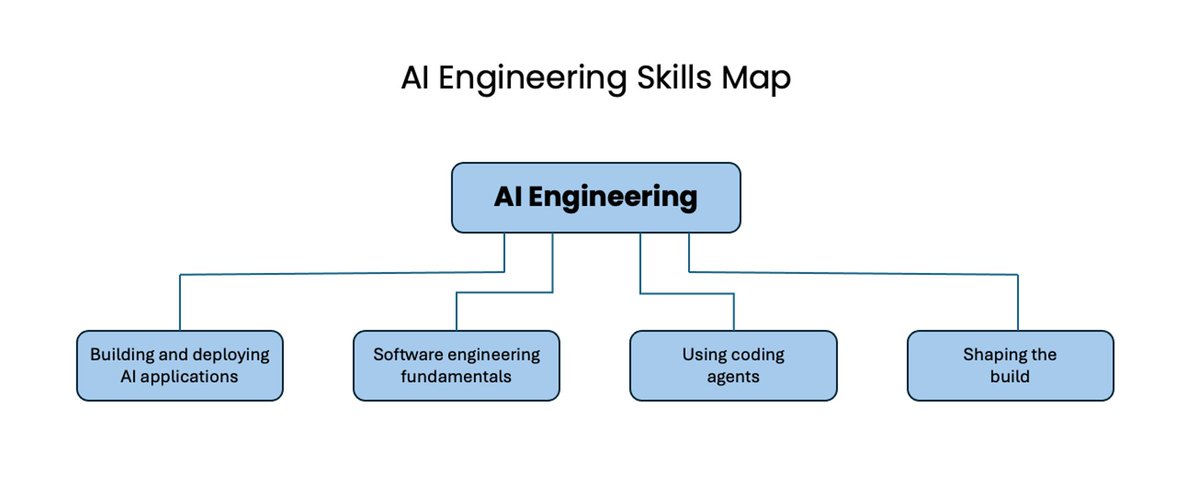
Four skills that define AI engineering, drawn from 10,000 job postings
Synthesized from job postings, expert interviews and surveys: four skills defining AI engineering.
Why it mattersA learning and hiring frame grounded in labor-market data, with "shaping the build" identified as the skill that shifts most as agents get better at delivering to a spec.

How to bring your software delivery workflow into GitHub with agent apps
GitHub agent apps let third-party services answer questions inside the pull request.
Why it mattersAnalytics, dependency risk, feature flags, and incident state can now be queried by agent from inside a pull request rather than four separate tools, using the same harness that backs the Copilot cloud agent.
Alibaba released Qwen3.8-27B as open weights with day-0 SGLang support: 206 tok/s decode on a single RTX 5090 using NVFP4 with DSpark, and 38 tok/s on a DGX Spark — a small dense model aimed squarely at running on hardware people already own.
Why it mattersA current-generation 27B dense model decoding at over 200 tokens per second on one consumer GPU puts local agent loops within reach without server hardware.
One GPU, 1M context, Day-0 ready. Big props to the vLLM team for the seamless in
The vLLM deployment recipe for Qwen3.8-27B.
Why it mattersVerified launch flags and measured KV-cache footprints per precision — including NVFP4 fitting a 27B model on a single Blackwell card — let you size hardware before committing to a deployment.

The Dark Arts of Web Automation: Teaching Agents to Use Websites Like Humans — Corey Gallon, Rexmore
Corey Gallon on driving a browser through the Chrome DevTools Protocol so an agent's clicks travel the same path as a human's, escalating from synthetic click to real CDP input event to a jittered mouse path only as far as the page forces.
Why it mattersIt explains why browser agents silently fail on real sites and gives a concrete escalation strategy and control split that anyone building web automation can apply directly.

Z.ai details GLM-5.3's leap in exploit analysis and staged release
GLM-5.3 posts large gains in cyber tasks (CyberGym 84.5%, ExploitBench 54.4%, more completed ExploitGym tasks than GLM-5.2) and will ship weights only after staged access to vetted security partners, backed by a public vulnerability disclosure ledger.
Why it mattersGLM-5.3 more than doubles GLM-5.2's score on exploit-analysis benchmarks and introduces a public disclosure ledger, changing what a security researcher can expect once the open weights ship.

Bringing agents onto the world wide web — Paul Klein IV, Browserbase
Browserbase's Paul Klein argues browser agents are limited by engineering rather than models.
Why it mattersIt reframes browser agent reliability as work any team can do now rather than a wait on the next model, and names the specific architecture choices that separate production systems from demos.
OpenRouter benchmarked Exa, Parallel, Perplexity and native search across four models and four search depths. Budget mattered most: 1 to 25 turns roughly doubled BrowseComp scores. Model choice moved results ~15 points, engine choice ~10. Incorrect runs averaged 19.7 searches against 10.3 for correc
Why it mattersConcrete numbers for tuning agent search: raising the turn budget helps most, expect failed queries to nearly double search spend, and do not assume a lab's native search beats a third-party engine.

Open Season

Liquid AI's LFM2.5 encoders detect and redact 40 PII types across 16 languages in a single pass, with the entity set selectable. They run inside your own pipeline, scrubbing text before it reaches a hosted model. Both 230M and 350M checkpoints are on Hugging Face.
Why it mattersRedaction runs locally in one forward pass with no generated output to parse, so confidential fields never leave your environment on the way to a hosted model.

Computer Use at the Edge of the Statistical Precipice — Pierluca D'Oro, Programma Labs
A sub-megabyte script that never looks at the screen, built by replaying one recorded trajectory per task, tops deterministic benchmarks like OSWorld.
Why it mattersAnyone reading computer-use benchmark numbers is likely reading an artifact of deterministic environments and undersized confidence intervals, and this gives both the proof and the environment design that fixes it.
An index of the vibe-coding frontier. Corrections welcome.