VIBERS
People and companies to know in AI. Explore their work, ideas, and experience.
 01
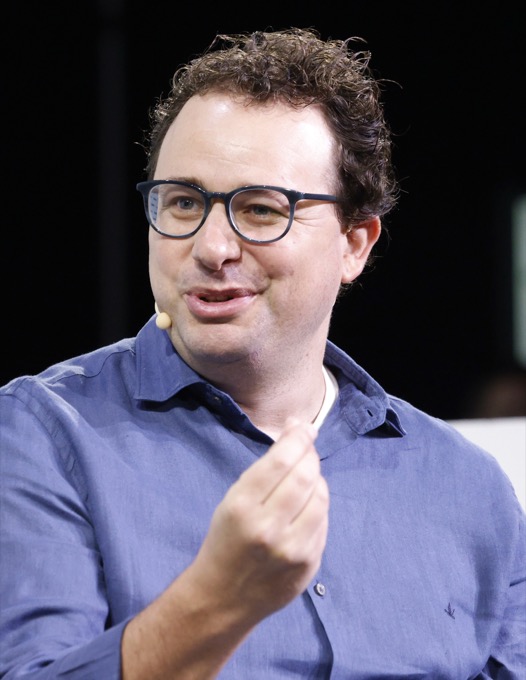
Dario Amodei
Dario Amodei is the co-founder and CEO of Anthropic, the AI company that develops Claude. He previously led research at OpenAI, including work on GPT-2 and GPT-3, and helped develop methods for training AI with human feedback.
Start with Machines of Loving Grace: How AI Could Transform the World for the Better
View profile → 02
Greg Brockman
Greg Brockman is OpenAI's co-founder and president, and a former Stripe CTO. His engineering work includes reinforcement-learning tools and infrastructure for making AI models available to developers.
Start with The inside story of ChatGPT’s astonishing potential
View profile →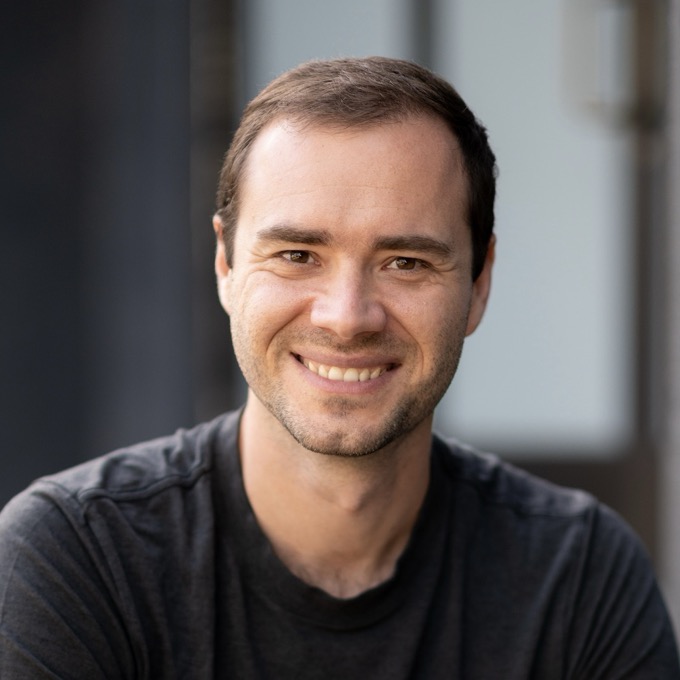 03
Andrej Karpathy
Andrej Karpathy is an AI researcher at Anthropic and an educator known for explaining neural networks through working code. A founding member of OpenAI and former director of AI at Tesla, he created open-source projects including micrograd and nanoGPT.
Start with Neural Networks: Zero to Hero
View profile → 04
Daniela Amodei
Daniela Amodei is Anthropic's co-founder and president. She manages the executive team and oversees the organization that turns Claude research into products and a business.
Start with Building Anthropic
View profile → 05
Boris Cherny
Boris Cherny created Claude Code at Anthropic, where he leads the coding-agent product. His earlier work spans Instagram engineering, developer infrastructure and the book Programming TypeScript. His writing and demonstrations offer a practitioner’s view of how software teams work with agents.
Start with Claude Code Live: Origin Story, Live Demos, & Best Practices
View profile → 06
Amanda Askell
Amanda Askell leads Claude's character work at Anthropic. A philosopher and alignment researcher, she helped develop methods for training assistants using human preferences and written principles.
Start with Claude’s constitution
View profile →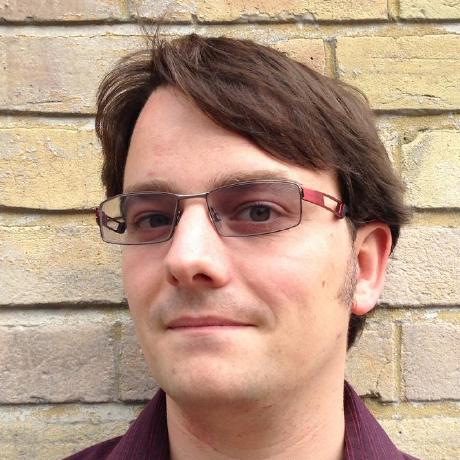 07
Simon Willison
Simon Willison is an independent developer behind Datasette and LLM, and a co-creator of Django. His software and writing explain how to use language models, test their limits, and recognize security risks.
Start with The lethal trifecta for AI agents
View profile → 08
Shawn Wang (swyx)
Shawn Wang, known as swyx, writes about AI engineering and helps organize the community around it through Latent Space and AI Engineer. His work connects software practice, developer careers and the emerging market for coding agents.
Start with The Rise of the AI Engineer
View profile → 09
Garry Tan
Garry Tan is president and CEO of Y Combinator, the startup accelerator, and an engineer who publishes tools for working with AI agents. He co-founded Posterous and Initialized Capital. His agent projects, including gstack and GBrain, make his own development and information-management workflows available to other builders.
Start with gstack
View profile → 10
Paul Bakaus
Paul Bakaus created jQuery UI and Impeccable, and founded Renaissance Geek. His work applies experience in web interfaces, developer tools, and creator products to improving AI-generated software design.
Start with Impeccable
View profile → 11
Julia Turc
Julia Turc is an AI researcher and educator who co-founded Storia AI. Her work spans compact language models, tools for understanding code, and explanations of the mechanisms behind modern AI systems.
Start with diffusion.fyi
View profile → 12
Matt Van Horn
Matt Van Horn builds open-source tools for AI agents, including last30days, CLI Printing Press and agentcookie. He co-founded June, the smart-oven company acquired by Weber. His earlier career included Zimride, Digg and Path.
Start with Last30Days AI Research Skill
View profile → 13
Marc Lou
Marc Lou is an independent software builder whose portfolio includes ShipFast, DataFast and TrustMRR. His products focus on launching small online businesses, understanding their users and displaying revenue data.
Start with ShipFast
View profile → 14
rUv
rUv is the public identity of AI engineer Reuven Cohen, founder and chief AI officer of Cognitum One. His open-source work covers coordinating agents, retaining their context and deploying systems on controlled infrastructure.
Start with Ruflo
View profile → 15
Harrison Chase
Harrison Chase created LangChain and co-founded the company that develops LangChain, LangGraph, and LangSmith. His writing and talks focus on the engineering around AI agents: supplying context, controlling execution, and evaluating behavior.
Start with The rise of context engineering
View profile → 16
May Habib
May Habib is co-founder and CEO of WRITER, which develops AI models and agents for enterprise work. Her public writing focuses on connecting models to business context, workflows and the controls organizations need when deploying them.
Start with The agentic future of work
View profile → 17
Waseem AlShikh
Waseem AlShikh is co-founder and chief technology officer of WRITER. His work focuses on enterprise language systems, including the company’s Palmyra models, retrieval and controls for applying models to business tasks.
Start with Humans of AI: Waseem AlShikh
View profile → 18
Sunil Pai
Sunil Pai builds infrastructure for AI agents at Cloudflare. He founded PartyKit, the real-time application platform acquired by Cloudflare in 2024, and previously worked on React and developer tooling for Cloudflare Workers.
Start with Making Cloudflare the best platform for building AI Agents
View profile → 19
Kun Chen
Kun Chen builds open-source tools for coordinating and reviewing the work of coding agents. His projects include firstmate and no-mistakes. He previously led Rovo Dev engineering at Atlassian and held engineering roles at Microsoft and Meta.
Start with firstmate
View profile → 20
John Yang
John Yang is a Stanford computer science PhD student who co-created SWE-bench and SWE-agent. His research builds tests and tools for AI systems that work on real software repositories.
Start with SWE-bench: Can Language Models Resolve Real-World GitHub Issues?
View profile → 21
Kilian Lieret
Kilian Lieret builds and evaluates AI agents that work on software repositories. A staff AI research scientist at Meta Superintelligence Labs, he previously co-developed SWE-agent at Princeton and helped turn code navigation, editing and testing into actions a language model can perform.
Start with mini-swe-agent
View profile → 22
Zora Zhiruo Wang
Zora Zhiruo Wang researches AI agents that learn reusable workflows and skills, and how those agents fit into human work. A doctoral student at Carnegie Mellon University, she co-authored Agent Workflow Memory, TroVE and TheAgentCompany, connecting agent design with practical evaluation.
Start with Agent Workflow Memory
View profile →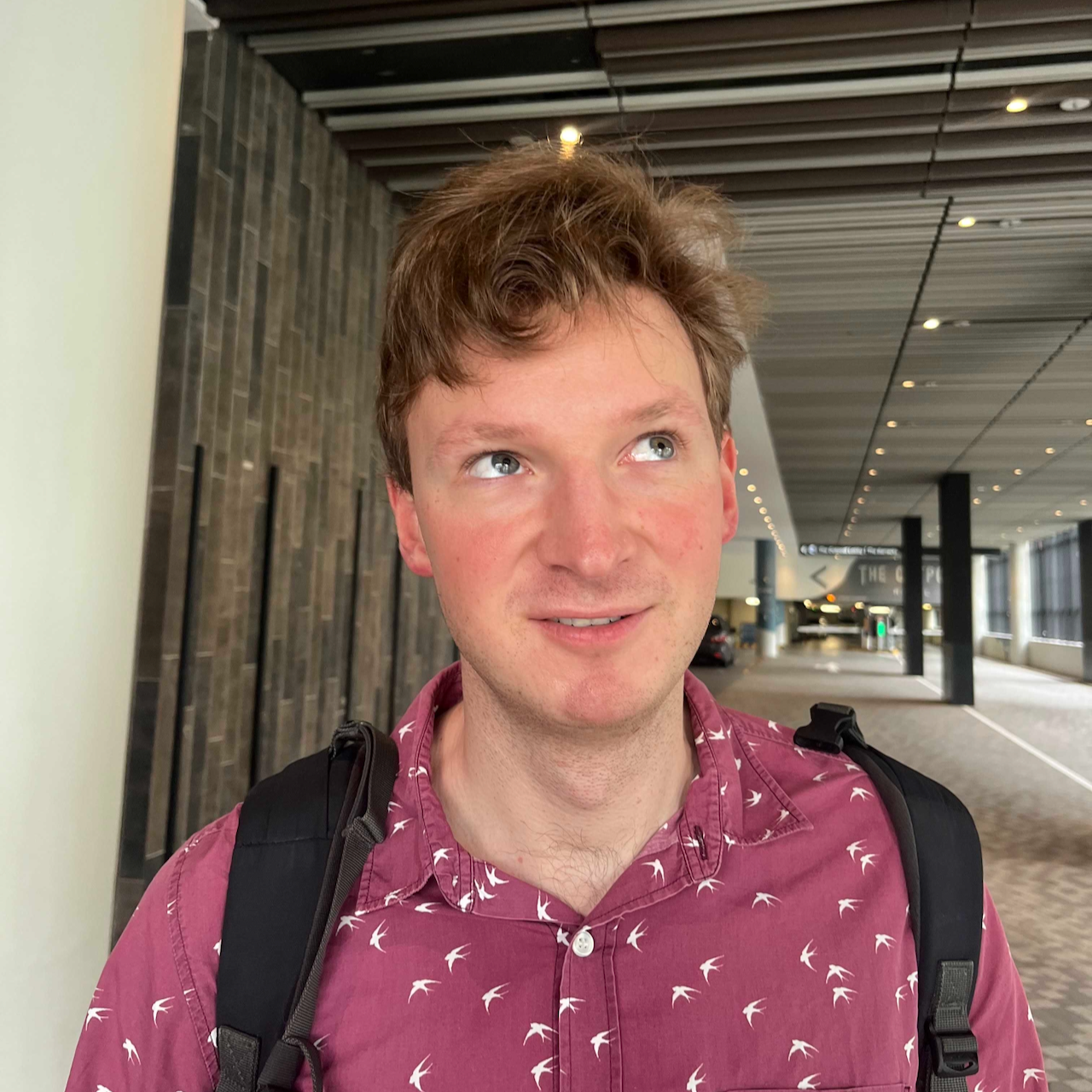 23
Alexander Wettig
Alexander Wettig is a researcher at Cursor working on reinforcement learning for Composer models. His research examines how training data changes a language model's capabilities, and he co-authored SWE-bench and SWE-agent.
Start with QuRating: Selecting High-Quality Data for Training Language Models
View profile →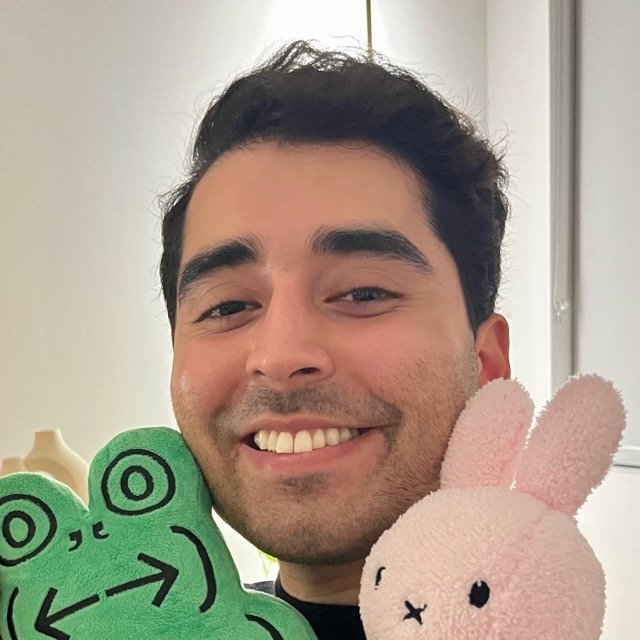 24
Carlos E. Jimenez
Carlos E. Jimenez is an AI researcher at Anthropic and a co-creator of SWE-bench and SWE-agent. His work develops ways to evaluate software agents and studies the tools they need to solve real programming problems.
Start with SWE-bench
View profile →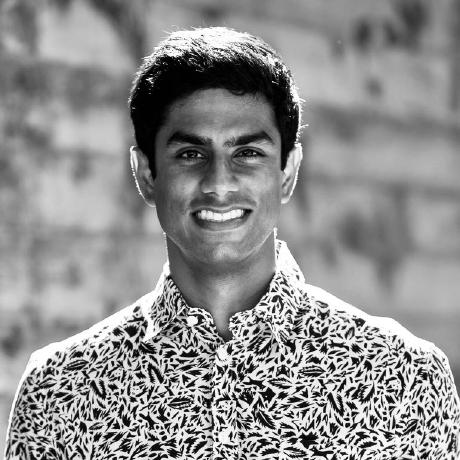 25
Ankush Gola
Ankush Gola is LangChain's co-founder and chief technology officer. His published engineering work explains how to build agents with memory, inspect their behavior, and store the traces needed to debug them.
Start with Introducing the LangGraph Functional API
View profile → 26
Lauren Tan
Lauren Tan, known online as poteto, builds developer tools and works on the React Compiler. The React team lists her as an engineer at Cursor. Her work spans compiler optimization, engineering leadership and practical workflows for coding agents.
Start with pstack
View profile →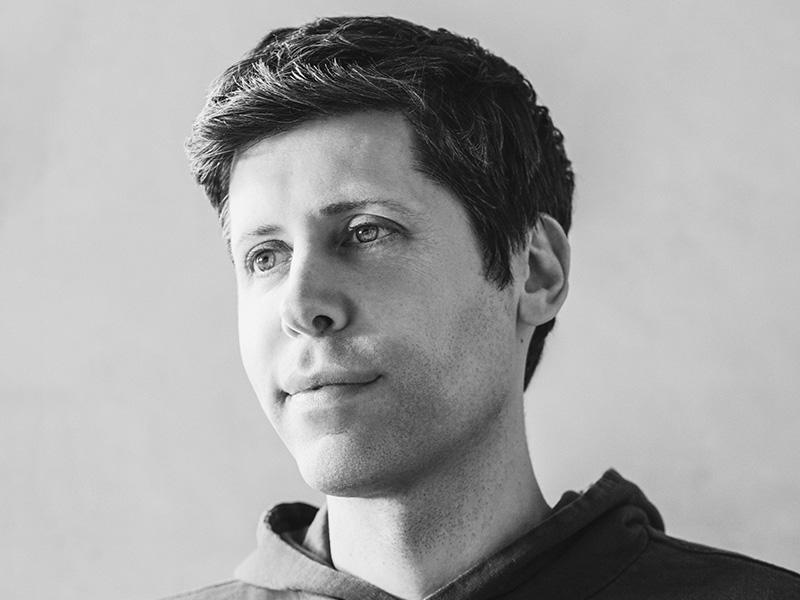 27
Sam Altman
Sam Altman is OpenAI’s co-founder and CEO, and a former president of Y Combinator. His public work connects startup building, financing AI development, and arguments about how increasingly capable AI could change work and economic opportunity.
Start with Three Observations
View profile → 28
Ilya Sutskever
Ilya Sutskever is the co-founder and CEO of Safe Superintelligence, following his work as OpenAI’s co-founder and chief scientist. His research includes AlexNet and sequence-to-sequence learning, two early demonstrations of what large neural networks could accomplish in vision and language.
Start with We’re moving from the age of scaling to the age of research
View profile → 29
Wojciech Zaremba
Wojciech Zaremba is an OpenAI co-founder and Head of AI Resilience at the OpenAI Foundation. His career spans neural-network research, robotics and language-model teams, and work on the institutions and safeguards needed as AI becomes more capable.
Start with Resilience in the age of AI
View profile → 30
Mira Murati
Mira Murati is co-founder and CEO of Thinking Machines Lab, which builds customizable AI models and tools for people to train and work with them. Previously OpenAI’s chief technology officer, she led research, product, and safety work across several of its major releases.
Start with Dartmouth conversation on AI’s future (June 2024)
View profile → 31
Thibault Sottiaux
Thibault “Tibo” Sottiaux leads Product & Platform at OpenAI, covering ChatGPT, Codex, and the API platform. His work connects model development with the interfaces and engineering workflows that turn model capabilities into products. Before OpenAI, he worked at Google and Google DeepMind.
Start with OpenAI’s Tibo Sottiaux: We really must get this right
View profile → 32
Jared Kaplan
Jared Kaplan is Anthropic’s co-founder and chief science officer. A theoretical physicist, he co-authored research on language-model scaling laws, GPT-3 and Constitutional AI, studying how larger models learn and how training can shape their behavior.
Start with Scaling Laws for Neural Language Models
View profile → 33
Jack Clark
Jack Clark is Anthropic’s co-founder and Head of Public Benefit, leading the Anthropic Institute’s work on AI’s societal consequences. He writes Import AI and approaches AI governance through research literacy, public measurement and institutional accountability.
Start with AI Safety and Corporate Power
View profile → 34
Chris Olah
Chris Olah is Anthropic’s co-founder and interpretability research lead. He develops ways to understand the internal computations of neural networks, alongside visual explanations that make those systems easier to study.
Start with Feature Visualization
View profile → 35
John Schulman
John Schulman is a reinforcement-learning researcher whom Berkeley identified in December 2025 as chief scientist at Thinking Machines Lab. A founding member of OpenAI, he led its reinforcement-learning team and co-authored algorithms and training methods that connect learning from rewards with language-model behavior.
Start with LoRA Without Regret
View profile → 36
Barret Zoph
Barret Zoph is a machine-learning researcher whose work includes neural architecture search and sparsely activated language models. His current public account identifies him as vice president of research at Google DeepMind, following research and leadership roles at OpenAI and Thinking Machines Lab.
Start with Neural Architecture Search with Reinforcement Learning
View profile → 37
Jan Leike
Jan Leike researches how to train AI systems to follow human intent. He is working on a new project at Anthropic, after leading its Alignment team until early 2026 and previously co-leading OpenAI’s Superalignment team.
Start with What is the alignment problem?
View profile → 38
Demis Hassabis
Demis Hassabis co-founded DeepMind and helped lead AlphaFold, the protein-structure prediction work that earned him and John Jumper part of the 2024 Nobel Prize in Chemistry. He became Google DeepMind’s chair and Alphabet’s chief scientist in August 2026, while continuing to lead Isomorphic Labs.
Start with Accelerating scientific discovery with AI
View profile →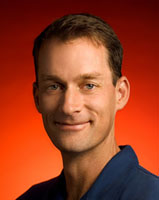 39
Jeff Dean
Jeff Dean is a computer scientist and co-founder of Discovery Loop, which aims to automate research experiments. During his Google career, he co-authored the papers behind MapReduce, Bigtable and TensorFlow. He became Google’s chief scientist in 2023 and left in 2026 to start the new company.
Start with Jeff Dean & Noam Shazeer — 25 years at Google: from PageRank to AGI
View profile → 40
Shane Legg
Shane Legg is a DeepMind co-founder and Google DeepMind’s chief AGI scientist. His research asks how to define and measure general intelligence, and his current work includes AI safety and possible societal consequences of advanced AI. He is also a director and managing editor of the DeepMind Institute.
Start with Levels of AGI for Operationalizing Progress on the Path to AGI
View profile →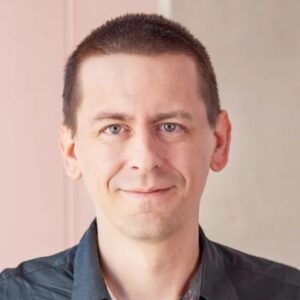 41
John Jumper
John Jumper is an AI researcher and biophysicist who co-led AlphaFold2 and led AlphaFold3 development at Google DeepMind. He shared the 2024 Nobel Prize in Chemistry for protein-structure prediction. In June 2026, he announced that he would leave Google DeepMind to join Anthropic after a break.
Start with AlphaFold: Five years of impact
View profile →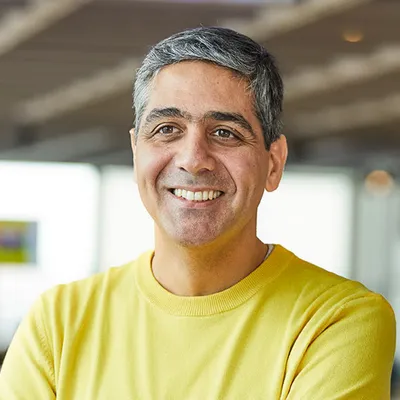 42
Koray Kavukcuoglu
Koray Kavukcuoglu leads Google DeepMind as senior vice president and also serves as Google’s chief AI architect. His research includes deep reinforcement learning and speech generation. He is an equal-contributing author of the DQN paper and a co-author of WaveNet and Parallel WaveNet.
Start with WaveNet: A generative model for raw audio (DeepMind explainer)
View profile →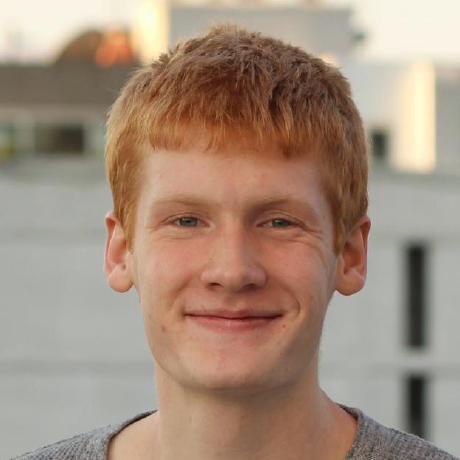 43
Michael Truell
Michael Truell co-founded Cursor, the AI coding company acquired by SpaceX in August 2026. His writing explains the shift from code completion to supervising software-building agents; his current personal site says he is building SpaceXAI.
Start with The third era of AI software development
View profile → 44
Preston Zhou
Preston Zhou is Relace’s co-founder and chief executive. He moved from physics research into building models and infrastructure for coding agents. Relace now also provides inference for open-weight models.
Start with Relace’s models and infrastructure for coding agents
View profile → 45
Eitan Borgnia
Eitan Borgnia is Relace’s co-founder and chief operating officer. His earlier research examined machine-learning robustness and data poisoning; his company work now spans coding-agent infrastructure and open-weight model inference.
Start with DP-InstaHide
View profile →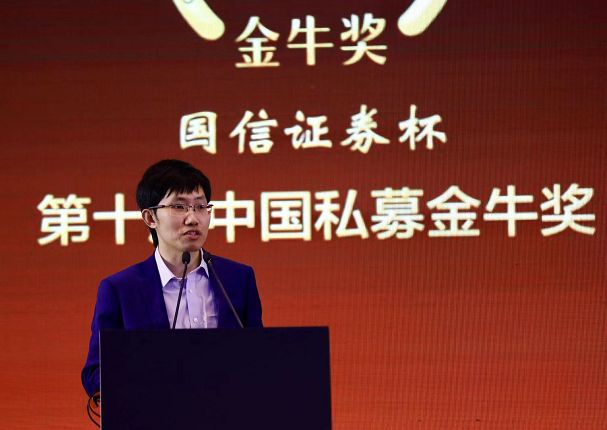 46
Liang Wenfeng
Liang Wenfeng founded DeepSeek, the AI research company associated with open model releases such as DeepSeek-V2 and R1. He appears as Wenfeng Liang on the research author lists; his published interviews explain the organization’s emphasis on original research and open release.
Start with DeepSeek-R1
View profile → 47
Luo Fuli
Luo Fuli leads Xiaomi’s MiMo foundation-model work. Her research includes language understanding and reinforcement learning for large models; she is a coauthor of the MiMo-V2.6 technical report.
Start with MiMo-V2.6: Scaling Reinforcement Learning Towards Self-Improvement
View profile →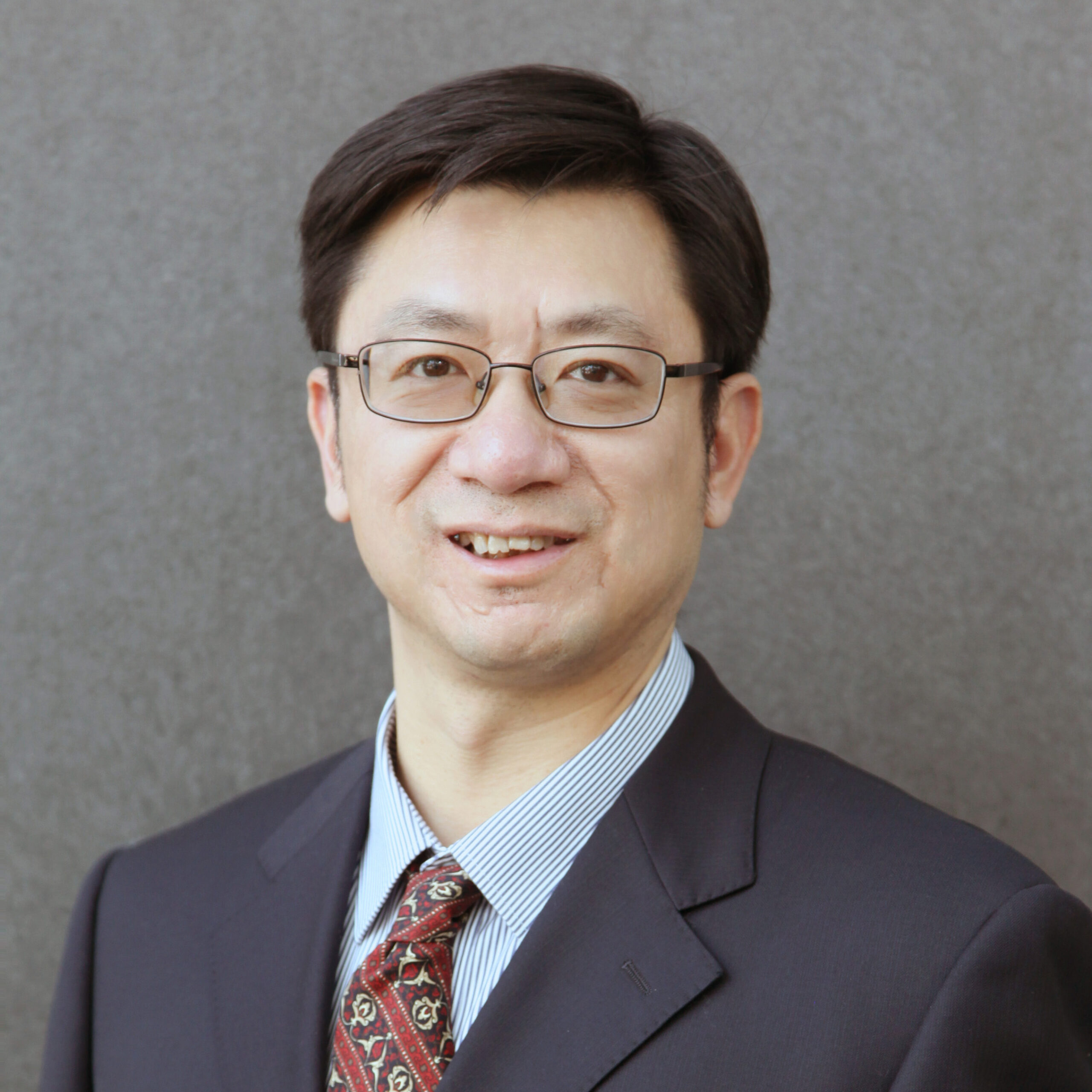 48
Jiang Daxin
Jiang Daxin is the chief executive of StepFun. His research career spans Microsoft’s language-technology work and foundation models, with publications on search, question answering and tools for building language-processing systems.
Start with NeuronBlocks
View profile →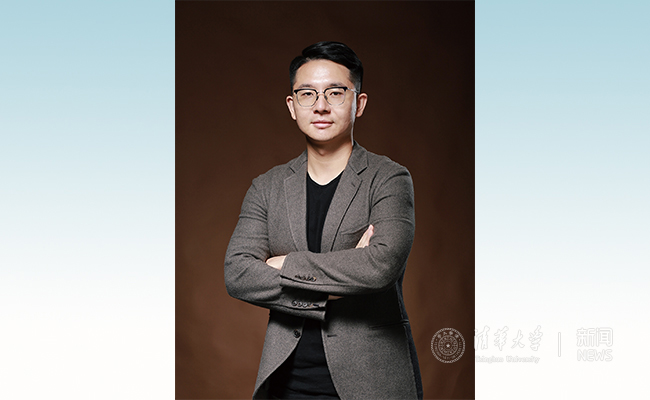 49
Yin Qi
Yin Qi is chairman of StepFun and Qianli Technology. He previously co-founded and led Megvii, the computer-vision company behind Face++. His public work now emphasizes bringing AI agents into devices and physical-world applications.
Start with When Agents Enter the Physical World
View profile →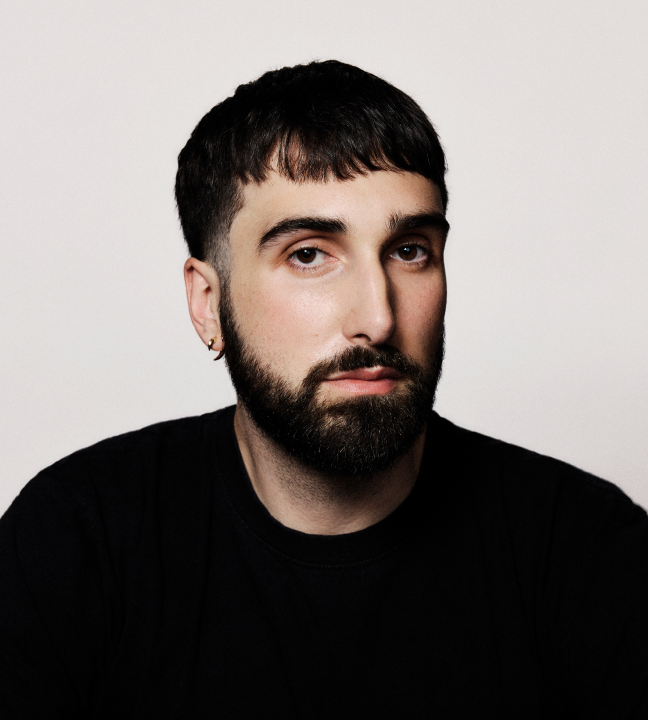 50
Aidan Gomez
Aidan Gomez is Cohere’s co-founder and CEO and a co-author of “Attention Is All You Need,” the paper introducing the Transformer. His research also includes reversible neural networks, while Cohere develops AI models and software for enterprise use.
Start with Attention Is All You Need
View profile →